
Swap on the spare or plug the puncture, inflate, and drive carefully.
If you want to know how to fix a flat tire the right way, this guide will walk you through every step with clear, safe, and field-tested advice. I have changed and repaired countless tires on the roadside and in the garage. You will learn what to carry, how to work safely, and how to fix a flat tire whether you use a spare, a plug kit, or a sealant. Read on, and you will feel calm and ready when a tire lets you down.
What You Need Before You Start
A well-packed car makes how to fix a flat tire simple and fast. Keep these items in your trunk at all times. Check them twice a year.
- Vehicle owner’s manual It shows jack points, torque specs, and TPMS notes.
- Spare tire Check air pressure each month, even if you never use it.
- Jack and lug wrench The factory kit works, but a compact breaker bar is better.
- Wheel chocks A brick or wood block also helps keep the car from rolling.
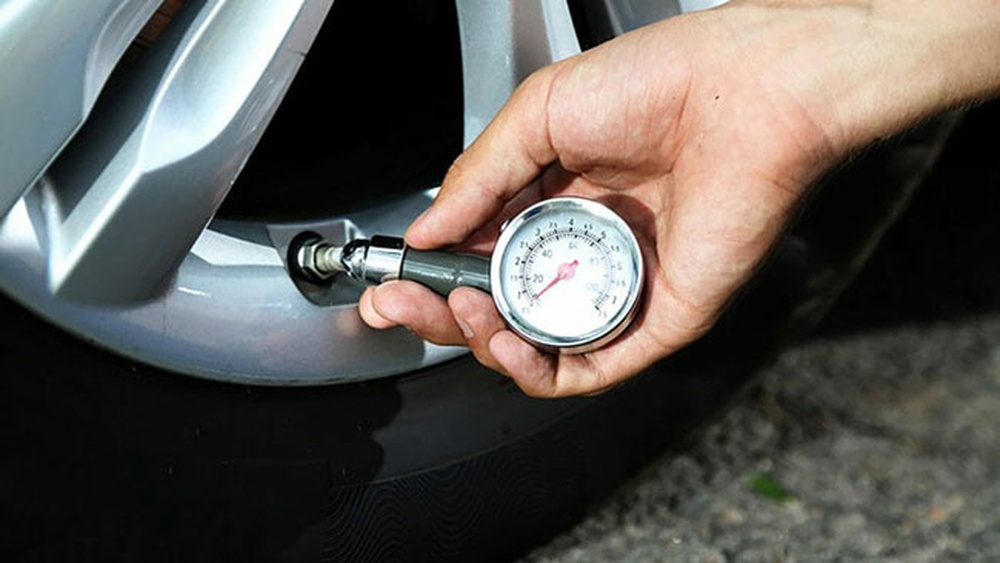
- Tire pressure gauge A digital gauge is easy to read in low light.
- Portable inflator A 12V compressor is cheap and saves time.
- Tire plug kit Plugs handle small tread punctures on tubeless tires.
- Gloves and a flashlight Keep your hands clean and your work area lit.
- Reflective triangle or flares Make yourself visible on dark roads.
I have used this setup for years. It cuts stress and time on the shoulder, and it makes how to fix a flat tire feel routine.
Safety First: Set Up Before You Touch the Tire
Staying safe is step one in how to fix a flat tire. A bad setup can damage your car or worse. Take one minute and do this first.
- Move to a flat, firm area Avoid curves, bridges, and soft soil. Do not stop in a lane if you can roll to safety.
- Turn on hazard lights Stay visible. Use a reflective triangle 100–200 feet behind the car.
- Apply the parking brake Always. Place the car in Park or in first gear if manual.
- Chock the wheel Chock the wheel opposite the flat to prevent rolling.
- Find jack points Use the manual. Do not jack on plastic trim or soft ground.
I once rushed and lifted on soft asphalt in summer heat. The jack sank, and I had to start over. Slow down. Safety first.
How to Fix a Flat Tire Step-by-Step with a Spare
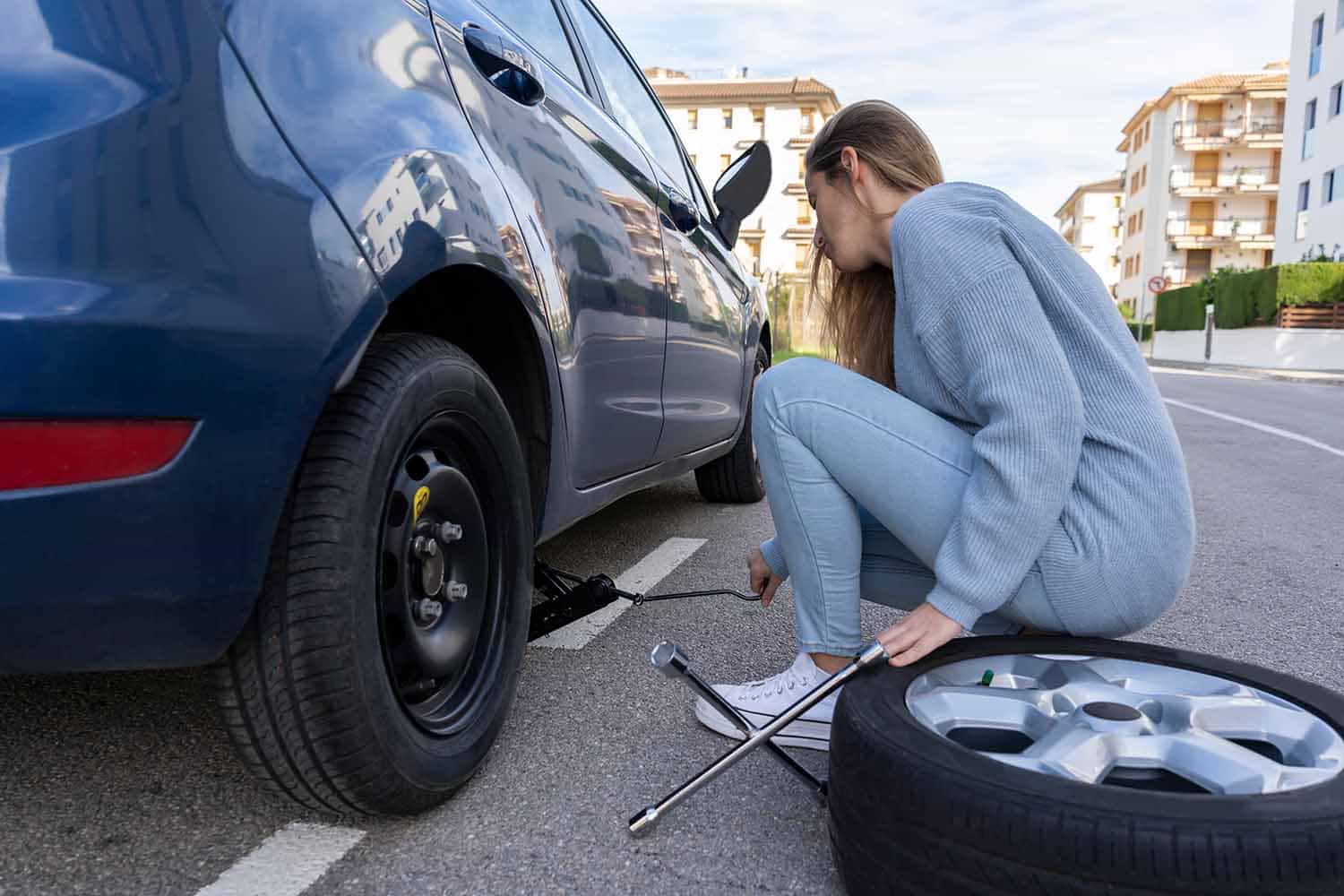
When the goal is to get moving, a spare is the fastest way to fix a flat tire. Follow these steps in order.
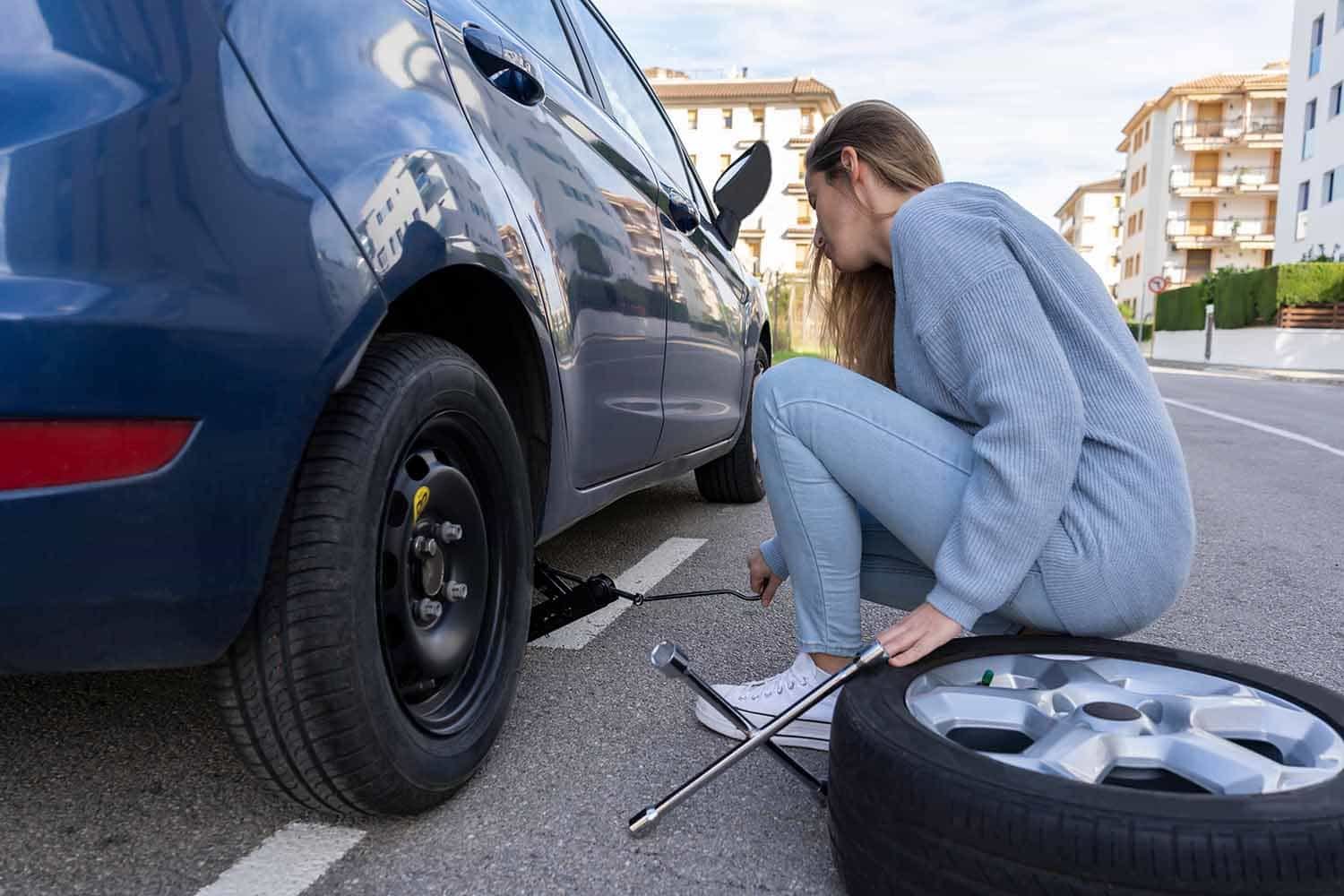
- Loosen lug nuts slightly before lifting Use the lug wrench. Turn counterclockwise. Do not remove them yet.
- Position the jack on the correct point Confirm in the manual. Raise the car until the tire clears the ground.
- Remove lug nuts and the wheel Keep nuts in a clean spot so you do not lose them.
- Mount the spare Align holes and slide the spare on the hub. Install lug nuts finger tight.
- Tighten in a star pattern Snug them in a cross pattern while the wheel is still off the ground.
- Lower the car and torque Tighten to spec, often 80–100 lb-ft. Check your manual for exact torque.
- Check spare pressure Many donut spares need 60 psi. Top up with your inflator if needed.
- Stow your tools and the flat Keep the valve stem up to avoid damage.
- Drive and recheck after a few miles Listen for noise. Recheck torque and pressure at the next stop.
A donut spare is a short-term fix. Most have a limit of 50 mph and about 50–70 miles. Plan a visit to a tire shop to repair or replace the damaged tire. This is the safest way for how to fix a flat tire when you are on the road.
How to Fix a Flat Tire by Plugging or Patching
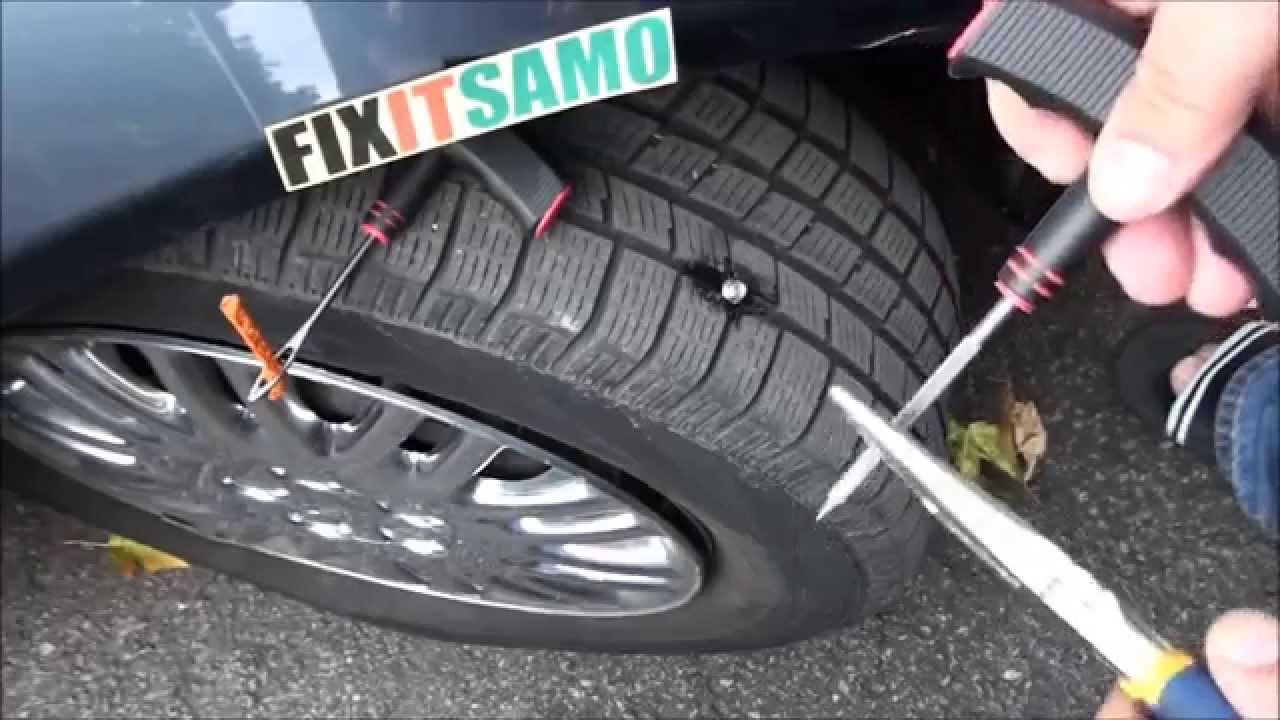
If the puncture is small and in the tread, you can plug it on the roadside. A proper shop repair is a patch-plug from the inside. Industry standards say do not repair punctures in the sidewall or shoulder, or holes larger than about 1/4 inch.
Steps to plug a tubeless car tire
- Find the leak Inflate the tire and listen. Use soapy water to spot bubbles.
- Remove the object Use pliers. Mark the hole with chalk.
- Ream the hole Use the rasp tool to clean and size the puncture.
- Insert the plug Load a sticky plug on the tool. Push halfway in, then pull out fast.
- Trim the tail Cut the extra plug flush. Inflate to the correct pressure.
- Test with soapy water Check for bubbles. If you see none, you can drive.
Limitations and best practice
- Do not plug sidewalls or large cuts Replace the tire.
- Do not stack multiple plugs in one hole That is unsafe.
- Heat matters If the tire ran flat at highway speed, the sidewalls may be damaged inside.
- Best repair A shop patch-plug from inside is the gold standard.
I have plugged dozens of tread punctures. They last well when done right. But I still book a shop repair when I can. That is the most reliable path for how to fix a flat tire long term.

Special Cases: Run-Flat Tires, TPMS, and Spare Types
Run-flat tires can roll for a short time after a loss of air. Most give you about 50 miles at up to 50 mph. If the tire overheats or the distance limit is exceeded, it must be replaced, not repaired. Check the maker’s limits.
Know your spare type
- Donut spare Light and compact. Lower speed and distance limits.
- Full-size spare Acts like a normal tire. Rotate it into your set to keep even wear.
- No spare at all Some cars ship with only a sealant and inflator kit.
TPMS tips
- A shop will service the TPMS sensor during a proper repair.
- Sealant can foul sensors. Use only if needed, then clean or replace the sensor.
- A blinking TPMS light after using a spare is normal. It will clear after repair and reset.
These points shape how to fix a flat tire without harming sensors or wheels.
How to Fix a Flat Tire on a Bicycle
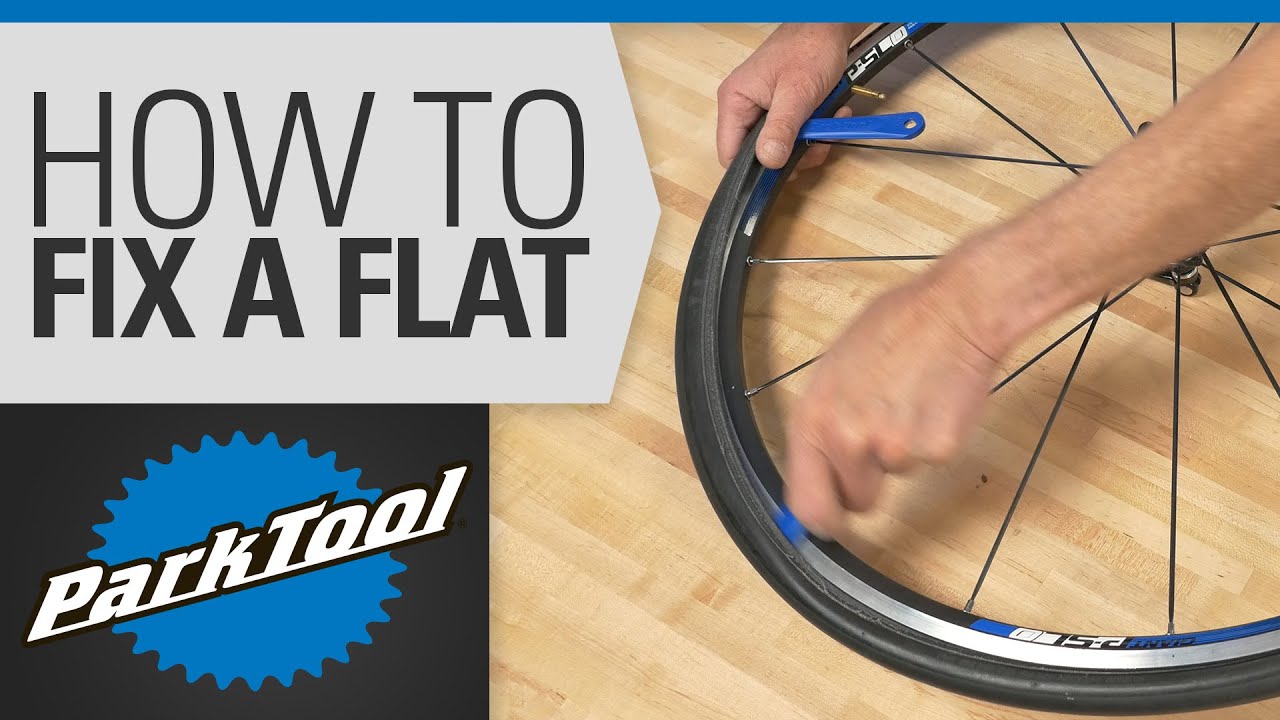
Bikes are simple to fix and a great way to learn how to fix a flat tire fast.
- Remove the wheel Release the brake if needed. Take off the axle or quick release.
- Take out the tube Use tire levers to pop one bead and pull the tube.
- Find the leak Inflate the tube and listen or dunk it in water.
- Patch or replace A patch kit is cheap. Many riders swap in a new tube for speed.
- Reinstall Inflate slightly to shape the tube. Seat both beads. Inflate to spec.
Carry a spare tube, levers, and a mini pump. This kit weighs little and turns a long walk into a short pause.

Temporary Fixes on the Road: Sealant and Emergency Inflators
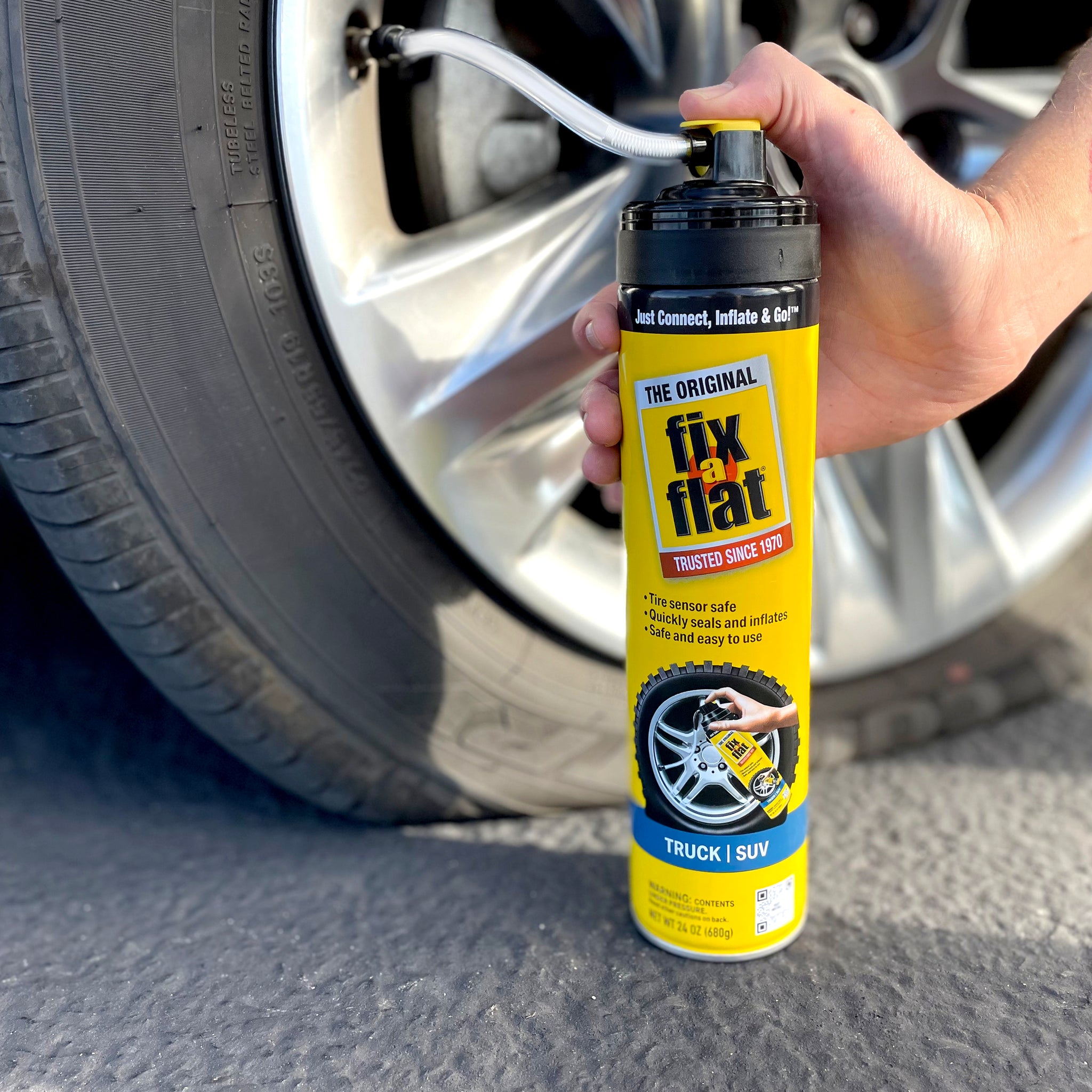
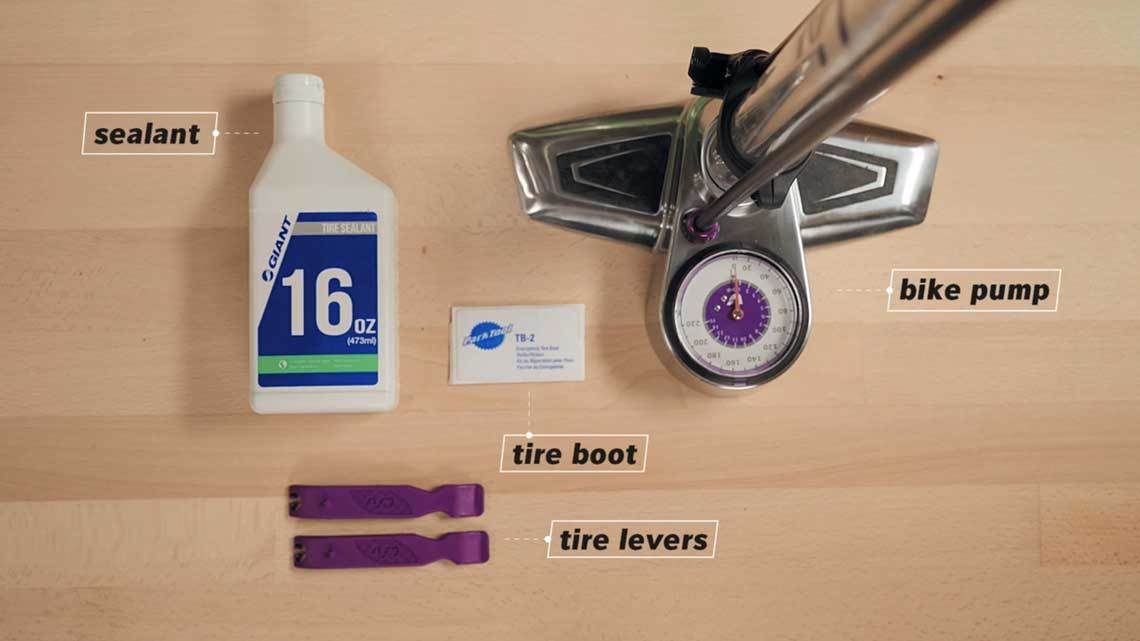
If you must get rolling and cannot use a spare, a sealant kit can help. It works on small tread punctures and buys you time.
- Follow the kit steps Attach the hose, add sealant, and inflate.
- Drive right away Drive a few miles so the sealant spreads.
- Visit a shop soon Sealant is messy and may harm TPMS sensors. A pro clean and repair is best.
Use this only when other options fail. It is a stopgap, not a cure, but it counts as how to fix a flat tire in a pinch.

Aftercare and Prevention
Good habits reduce flats and make how to fix a flat tire rare.
- Check pressure monthly Underinflation causes heat and damage. Use the door-jamb spec.
- Inspect tread and sidewalls Look for nails, cuts, bulges, or cords.
- Mind tread depth Replace near 2/32 inch. Wet roads need more.
- Avoid road debris Slow down in work zones and near shoulder edges.
- Rotate and align on schedule Even wear lowers puncture risk and improves handling.
- Consider road-hazard coverage It can save money on repairs or replacements.
I log pressures on my phone. It takes 60 seconds and has saved me from slow leaks turning into flats.
Common Mistakes and Pro Tips From Experience
Over the years, I have seen the same mistakes. Learn these, and how to fix a flat tire will feel easy.
- Forgetting to loosen lugs before lifting The wheel spins in the air. Crack them loose on the ground first.
- Jacking on soft ground The car can drop. Use a board under the jack foot.
- Using the wrong spare pressure Donuts often need 60 psi, not 32.
- Cross-threading lug nuts Start by hand only. Then torque in a star pattern.
- Wheel stuck to the hub Corrosion bonds the wheel. Sit and kick the tire sidewall with your heel at 3 and 9 o’clock. A bit of penetrating oil helps. A rubber mallet also works.
Pro tips I use
- Keep a 1/2-inch breaker bar and a six-point socket They beat tiny factory wrenches.
- Pack nitrile gloves and a small headlamp Night fixes are cleaner and faster.
- Mark the puncture before pulling the nail You will not lose the hole in the tread.
These small habits make how to fix a flat tire safer and faster every time.
Troubleshooting: Lug Nuts, Stuck Wheels, and Damaged Threads
Hard problems can still be solved at the roadside with care.
- Lug nuts will not budge Use a longer handle for leverage. Keep the socket square. Do not jump on the wrench. Do not use heat near tires.
- Stripped lug or stud Stop and call for help. Forcing it can shear the stud and strand you.
- Valve core leaking Tighten the core with a core tool. If it still leaks, replace the core.
- Tire keeps losing air after a plug The hole may be too large or in a bad spot. Get a patch-plug repair or replace the tire.
Be honest with your limits. Sometimes the best way for how to fix a flat tire is to call roadside assistance.
Frequently Asked Questions of how to fix a flat tire
How long can I drive on a donut spare?
Most donut spares are safe up to 50 mph and for about 50–70 miles. Check the label on the tire and your manual.
Can I repair a nail in the sidewall?
No. Sidewall punctures cannot be repaired safely. Replace the tire to avoid a blowout.
Is a plug as good as a patch?
A plug can work in a pinch, but a patch-plug from the inside is the best repair. Shops recommend this for a durable, airtight seal.
Why did my TPMS light stay on after I fixed the tire?
You may need to drive a few miles for the system to update. If it stays on, check pressure, sensor health, and reset steps in your manual.
Do I need to torque lug nuts with a torque wrench?
Yes, for safety and even clamping. Tighten in a star pattern to the spec in your manual.
Conclusion
Now you know how to fix a flat tire with a spare, a plug kit, or a sealant, and how to do it safely. You can set up your car, work with calm steps, and get back on the road with confidence. Your next move is simple: stock your trunk kit, practice the steps at home, and save this guide on your phone. Ready for more hands-on car care tips? Subscribe, share your roadside story, or leave a question in the comments.