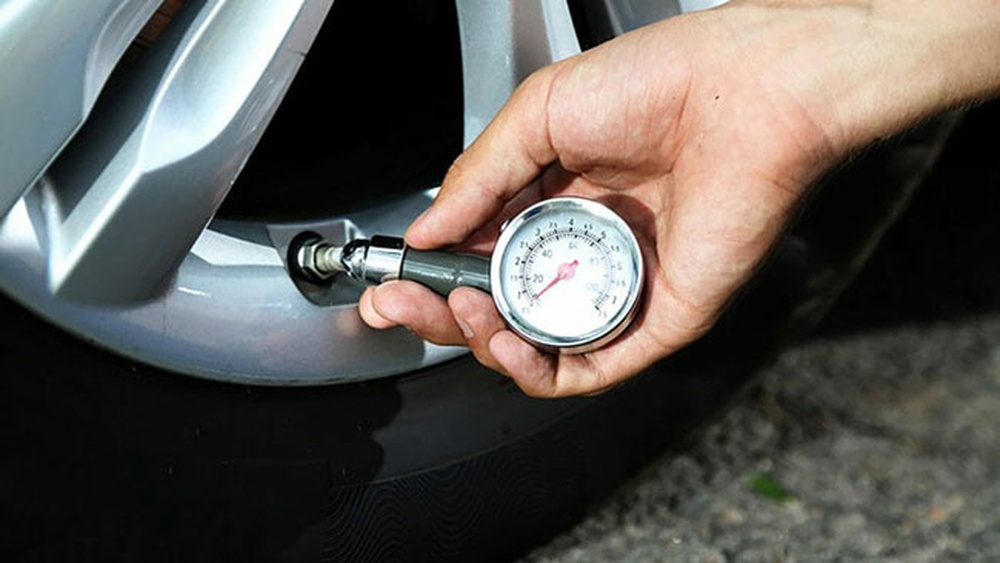

Your car likely needs an alignment if it pulls, wears tires unevenly, or the wheel’s off-center.
If you’ve wondered how to know if you need a wheel alignment, you’re in the right place. I’ve spent years helping drivers fix pull, shimmy, and strange tire wear. In this clear, expert guide, I’ll show you how to know if you need a wheel alignment, what causes misalignment, and simple checks you can do today—so you can drive straighter, safer, and save your tires and fuel.

What a wheel alignment is and why it matters
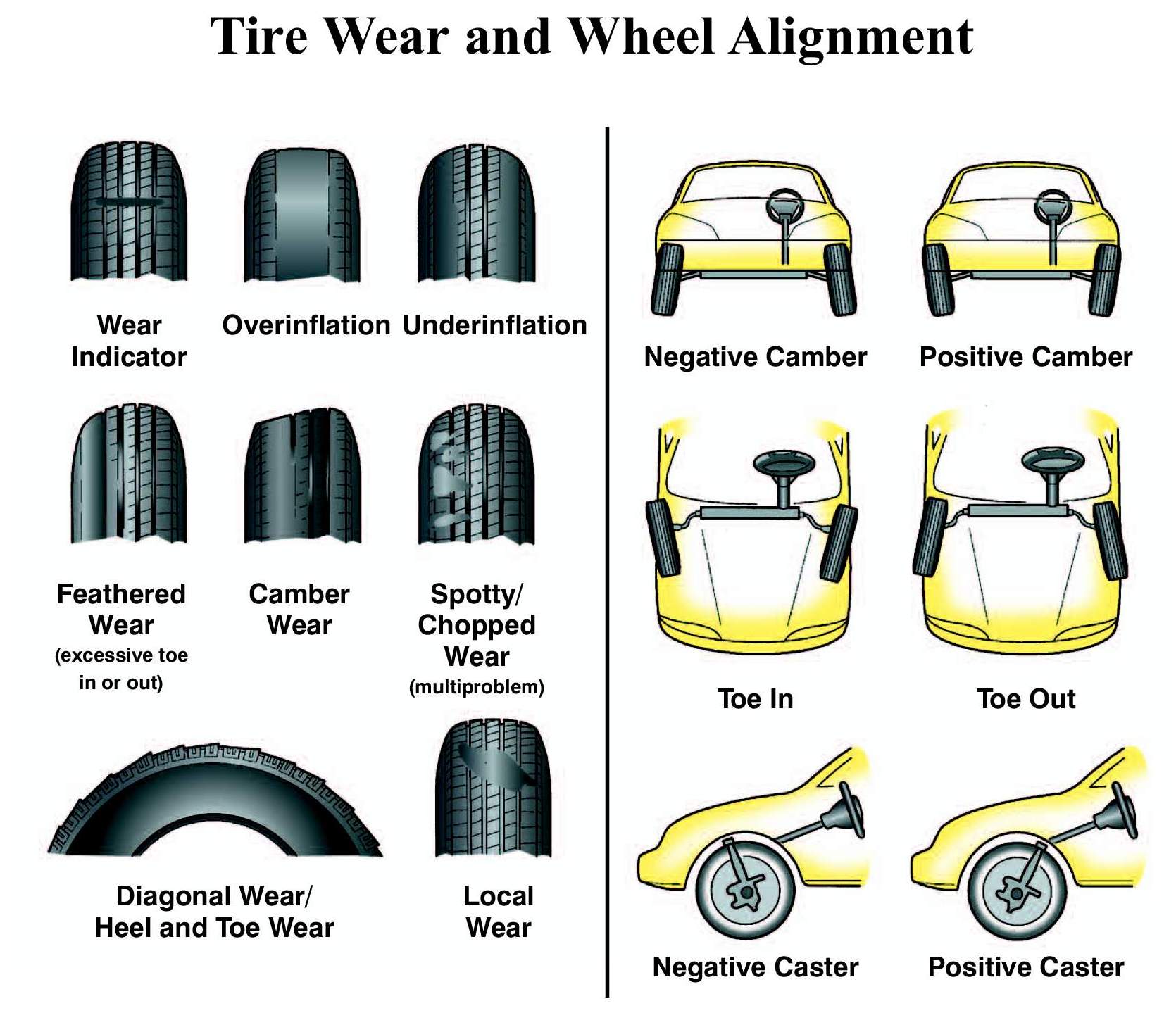
Wheel alignment sets your wheels so they point and sit at the right angles. The key angles are camber, caster, and toe. When these match factory specs, your car tracks straight and your tires last longer.
Here is a quick tour:
- Camber is the inward or outward tilt of the wheels. Too much tilt chews the inner or outer tread.
- Toe is the direction the wheels point. Think pigeon-toed or splayed out. Bad toe feathers the tread fast.
- Caster is the tilt of the steering axis. It helps the wheel self-center and adds straight-line stability.
- Thrust angle shows if the rear wheels push the car straight. If not, you’ll steer the wheel off-center to compensate.
Before you learn how to know if you need a wheel alignment, it helps to know that small errors add up. A tiny toe error can scrub rubber every mile. Industry data shows even a slight misalignment can cut tread life and raise rolling drag.

How to know if you need a wheel alignment: clear signs
If you want how to know if you need a wheel alignment from symptoms, watch for these common clues. These show up in my shop week after week.
- Steering pull on a flat road. If the car drifts left or right with a light grip, alignment may be off. Check tire pressure first.
- Off-center steering wheel. If you drive straight but the wheel sits turned, the thrust line is wrong or toe is off.
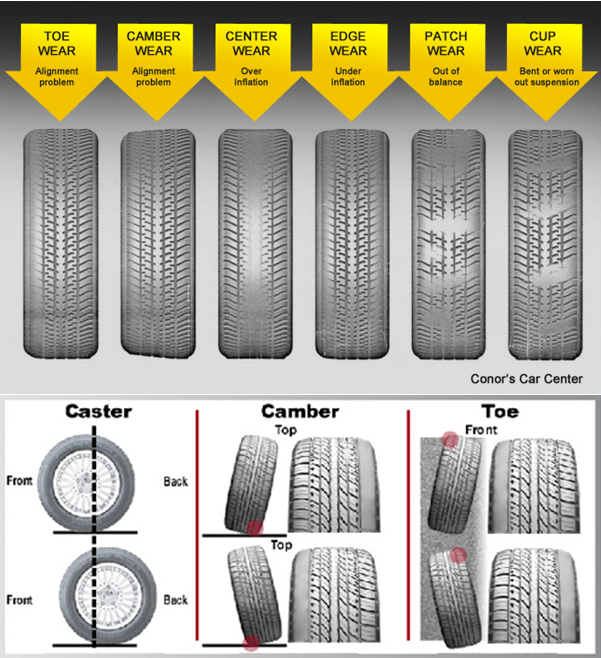
- Uneven tire wear. Inner or outer edges worn, feathered ribs, or fast shoulder wear often point to camber or toe issues.
- Squealing tires in gentle turns. That can mean the tires scrub due to poor toe.
- Vibration after impacts. A hit can bend a rim or knock toe out. Balance also causes vibration, so check both.
- Wandering or loose feel. You chase the lane and make many small corrections. That is often caster or toe.
- Poor fuel economy. More rolling resistance from misalignment means more fuel burned.
- After potholes, curbs, or suspension work. Any hard hit or new parts can change angles.
- Driver assist warnings. Lane-keep and camera systems expect straight tracking. A reset may be needed after alignment.
Another way for how to know if you need a wheel alignment is to run your fingers over tread blocks. If they feel sharp one way and smooth the other, that’s feathering from toe error.
A quick story: A customer hit a deep pothole on Monday. By Friday, the steering wheel sat 15 degrees right, and the inner fronts were shaving down. One alignment and a steering angle sensor reset stopped the wear and saved a new set of tires.
Common causes that knock your alignment out
You can also use cause and effect for how to know if you need a wheel alignment. If any of these happened, plan a check soon.
- Pothole or curb strikes. Even at low speed, the hit can bend a tie rod or shift cams.
- Worn suspension parts. Ball joints, control arm bushings, and tie rod ends add play and drift.
- Lift kits or lowering springs. Ride height changes alignment angles and may need special cam kits.
- New tires or wheels. Fresh rubber is an ideal time to set angles and protect that investment.
- Collision repairs or subframe movement. Any frame or cradle shift changes geometry.
- Heavy loads or towing. Sag can alter camber and toe, especially on older springs.
- Uneven tire pressures. This can mimic pull. Fix pressures first, then check alignment.
Another tip for how to know if you need a wheel alignment: look at your driving routes. If you face rough roads each day, you need checks more often.

At-home checks to confirm before you book
Use these DIY checks for how to know if you need a wheel alignment without tools. These are quick and surprisingly helpful.
- Road crown test. On a quiet, flat lot, center the wheel and creep straight. If it drifts in both directions on the same surface, suspect alignment.
- Steering wheel test. Drive straight. Note if the emblem sits level. A few degrees off is a clue.
- Tread feel test. Lightly glide your hand over the tread. Sharp one way, smooth the other means feathering.
- Edge wear look. Compare inner and outer edges. Inside wear on both fronts often means too much negative camber or toe-out.
- Tape measure toe check. For a rough idea, measure the distance between the front edges of the front tires, then the rear edges at hub height. A big difference hints at toe error.
- Tire pressure and rotation. Set pressures to spec. If a pull remains after swapping front tires left to right, alignment is more likely than tire conicity.
If any of these simple checks raise flags, that is strong proof for how to know if you need a wheel alignment and book a visit.
What happens if you wait: costs and risks
Knowing how to know if you need a wheel alignment early saves money. Waiting costs far more than an alignment visit.
- Faster tire wear. Toe errors can eat a shoulder in weeks. That is hundreds of dollars gone.
- Longer stops and worse grip. A smaller contact patch reduces traction, rain or shine.
- More fuel use. Misalignment raises rolling resistance.
- Stress on parts. Bushings, tie rods, and wheel bearings take extra load.
Industry figures often compare a small toe error to dragging the tire sideways many feet each mile. Over time, that shreds tread.
Typical alignment costs vary by area and vehicle:
- Two-wheel alignment: about 80 to 120 dollars.
- Four-wheel alignment: about 100 to 200 dollars.
- Performance or modified cars may cost more due to setup time.

Source: wiygul.com
Alignment vs balance vs rotation vs suspension fixes
Many drivers ask how to know if you need a wheel alignment versus a balance. Here is a simple guide.
- Alignment fixes straight-line pull, off-center wheels, and uneven wear patterns like feathering or edge wear.
- Balance fixes steering wheel shake at certain speeds, often 50 to 70 mph.
- Rotation spreads normal wear and is not a fix for bad angles.
- Suspension repair restores control and removes play. Worn parts must be fixed before alignment holds.
A smart way for how to know if you need a wheel alignment is to match the symptom to the service. Pull and odd wear mean alignment. Speed-only shake means balance.

How often to check, and what to expect at the shop
If you wonder how to know if you need a wheel alignment over time, follow these simple rules.
Check alignment:
- At least once a year or every 10,000 to 12,000 miles.
- After any big hit, new tires, or suspension work.
- If you spot any uneven wear or off-center wheel.
What a good shop does:
- Inspect tires, pressures, and suspension parts first.
- Mount your car on a calibrated, four-head alignment rack.
- Set camber, caster, and toe to factory specs and center the steering wheel.
- Provide a before-and-after printout with green and red bands.
- Reset the steering angle sensor when needed.
- Advise on ADAS calibration if required by your make.
This step-by-step visit makes it clear how to know if you need a wheel alignment and that the work was done right.

Choosing a trustworthy alignment shop
The right shop makes the result last. Here’s how to choose with confidence and decide how to know if you need a wheel alignment service now or later.
What to ask:
- Do you provide a before-and-after printout?
- Is the alignment rack calibrated on schedule?
- Will you road-test before and after?
- Do you check all bushings, tie rods, and ball joints first?
- Can you reset the steering angle sensor and note ADAS needs?
- Do you offer a short warranty or a lifetime plan?
When you ask these questions, you will feel certain about how to know if you need a wheel alignment and where to get one.

Frequently Asked Questions of how to know if you need a wheel alignment
How to know if you need a wheel alignment or a tire balance?
Alignment issues cause pull, off-center wheel, and uneven wear. Balance issues cause speed-specific vibration without pull.
Can bad alignment ruin new tires fast?
Yes. A small toe or camber error can shred a tire shoulder in weeks. Always align when installing new tires.
Is four-wheel alignment better than two-wheel alignment?
Most modern cars need four-wheel alignment to set thrust angle and rear camber or toe. Two-wheel is fine only if your rear has no adjustments and is within spec.
How long does a wheel alignment take?
Most alignments take 45 to 90 minutes. Extra time is needed if bolts are seized or parts are worn.
Do I need an alignment after hitting a pothole?
If the car now pulls, the wheel is off-center, or wear changes, yes. A quick check and printout will confirm.
Will an alignment fix steering wheel vibration?
Not usually. Vibration is more often wheel balance or a bent wheel. Alignment fixes pull and uneven wear.
How often should I get an alignment check?
Aim for once a year, or sooner after impacts, new tires, or suspension work. Also check when you see any uneven wear.
Conclusion
A straight-driving car with even tire wear is not luck. It is proper alignment, checked at the right times and fixed by pros who share proof. Now you know how to know if you need a wheel alignment, the signs to watch, and the steps to confirm it at home.
Put this into action today. Inspect your tread, note your steering wheel position, and plan a check if anything seems off. If this guide helped, share it with a friend, subscribe for more car-care tips, or drop a question in the comments.