
Check your door placard, owner’s manual, and tire sidewall for size and ratings.
If you want to know how to know what tires fit my car, you’re in the right place. I’ve spent years fitting tires, fixing fitment mistakes, and teaching drivers how to match size, load, speed, and type. This guide gives you a clear path from reading the code to making a smart, safe choice that feels great on the road.

How to know what tires fit my car: read the tire code
Your tire sidewall is a map. Learn to read it and you’ll avoid guesswork. Here’s a quick breakdown using 225/45R17 94V as an example.
- 225 is the width in millimeters. Wider tires can change handling and clearance.
- 45 is the aspect ratio. It is the sidewall height as a percent of width.
- R means radial construction. Almost all modern tires are radial.
- 17 is the wheel diameter in inches. Tire and wheel diameters must match.
- 94 is the load index. It must meet or beat your car’s requirement.
- V is the speed rating. Match or exceed what the placard lists.
Look for extra marks:
- XL or Reinforced means extra load capacity at higher pressure.
- M+S is mud and snow. The 3PMSF mountain-snowflake is true winter grip.
- OE marks like MO, N0, TPC, or a star mean carmaker-approved specs.
- Run-flat labels can read RFT, ZP, ROF, or SSR.
To learn how to know what tires fit my car, start by matching width, aspect ratio, diameter, load index, and speed rating to your factory spec. Then confirm extras like XL or run-flat to fit how your car was built.

Where to find factory specs when asking how to know what tires fit my car
Your car already tells you the right size and pressure. Check these spots first.
- Driver’s door jamb tire placard. This shows size, load, and cold pressure.
- Owner’s manual. It lists standard and optional sizes and notes.
- Fuel door or glove box card. Some makers place tire info there.
- Existing tires. Compare sizes front and rear in case of a staggered setup.
If you changed wheels, confirm wheel diameter, width, and offset. Your tire must fit the rim width range and clear suspension and fenders. This is a key step in how to know what tires fit my car without a surprise rub or warning lights.

Match tire type to your life: how to know what tires fit my car in my climate
Size is only half the story. Pick a tire type that suits your roads and weather.
- All-season. Year-round ease in mild climates. OK in light snow.
- All-weather. Carries the 3PMSF mark. Safer in snow than all-season.
- Summer or performance. Best dry and wet grip in warm months. Not for freezing temps.
- Winter or snow. 3PMSF grip for ice and snow. Swap in spring.
- Touring. Quiet ride and longer tread life for daily use.
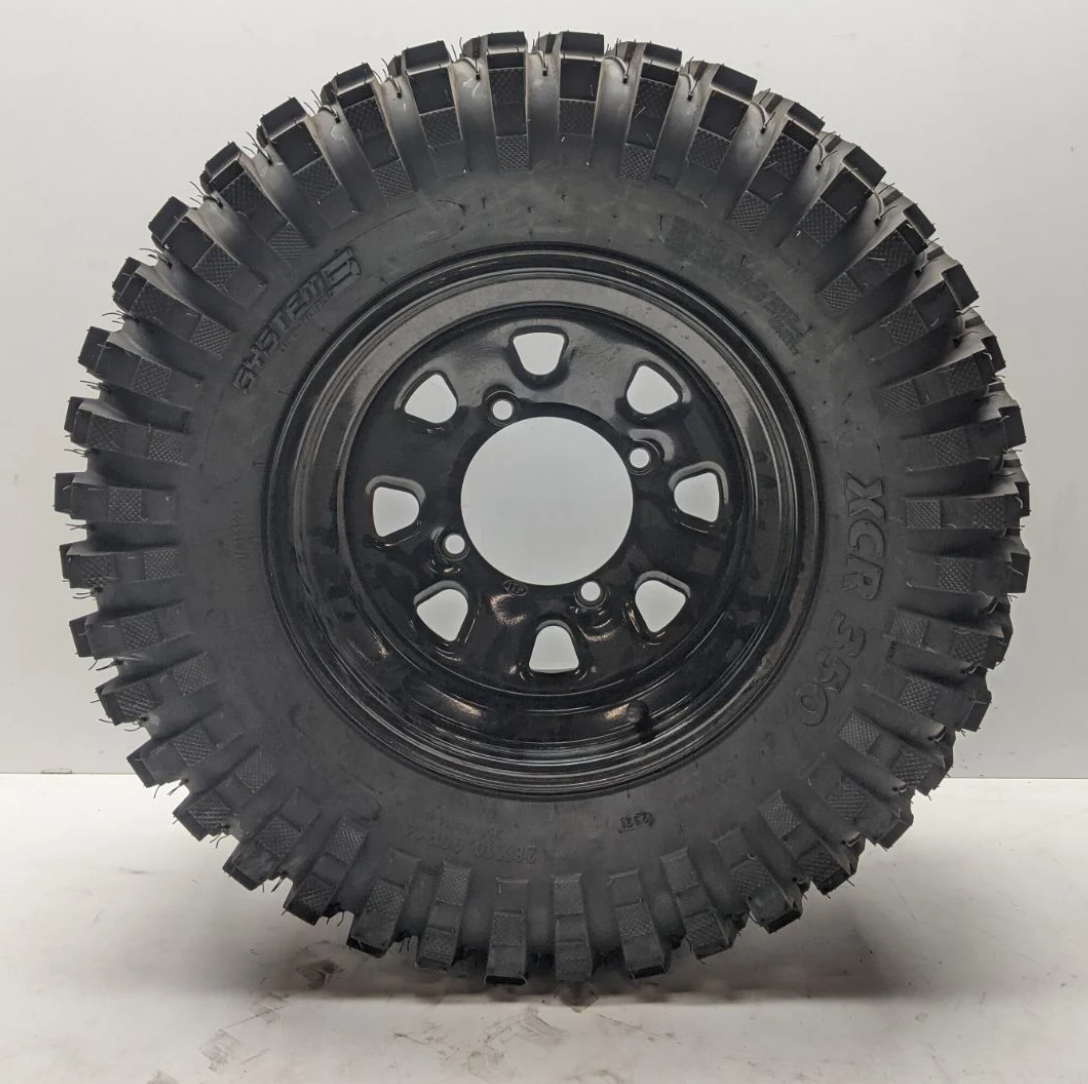
- All-terrain or mud-terrain. For trucks and SUVs that see dirt.
- Run-flat. Lets you drive short distances after a puncture.
- EV-specific. Stronger load, low noise, and low rolling resistance.
Ask how to know what tires fit my car for my daily drive. Think about speed, load, hills, heat, and winter needs. Choose the type that matches your world.

Size changes and clearance: how to know what tires fit my car safely
You can change size, but do it with care. Keep the overall diameter close to stock. A common rule is within about 3 percent to protect ABS, speedometer, and gearing.
Follow these steps:
- Check wheel width and offset. The tire must fit the rim range.
- Measure inner clearance to struts and control arms.
- Check outer clearance to fender and liner at full lock and over bumps.
- Mind speed rating and load index. Do not go lower than the placard.
- If you plus-size the wheel, lower the aspect ratio to keep diameter close.
This is the practical way for how to know what tires fit my car when I want a new look or more grip. A quick test fit and a careful measure beat guesswork.

Tools that make it easy: how to know what tires fit my car online
Use tech, then verify with the placard. That double-check keeps you safe.
- Vehicle selector tools. Enter year, make, model, and trim to see OE sizes.
- VIN lookup. Service departments can pull exact build data.
- Tire size calculators. Compare diameter, revs per mile, and clearance.
- Fitment forums and guides. Learn from real-world setups for your car.
These tools speed up how to know what tires fit my car, but the final word is your door placard and a physical check.
Load, towing, and TPMS: make sure the tires truly fit your car
Load and pressure are vital. If you tow or carry heavy cargo, you may need a higher load index or an LT tire. LT tires use load ranges like C, D, or E, and they carry more weight at higher pressures.
Mind your TPMS. Sensors have pressure limits, and the system expects the OE spec. This is a big part of how to know what tires fit my car when I use a trailer or roof box.

Quality signals and age checks before you buy
Check more than size. Read the fine print.
- UTQG treadwear, traction, and temperature grades. These show wear rate and heat resistance.
- Warranty and road hazard coverage. Helpful for daily drivers.
- DOT date code. The last four digits show week and year of build.
- Age and storage. Many makers advise close checks after five years and replacement near six to ten years, even if tread looks fine.
Price, grip, and life must balance. This is part of how to know what tires fit my car and my budget without regret.

Install, inflate, rotate, and align for a perfect fit
A good fit continues after the sale. Follow these steps.
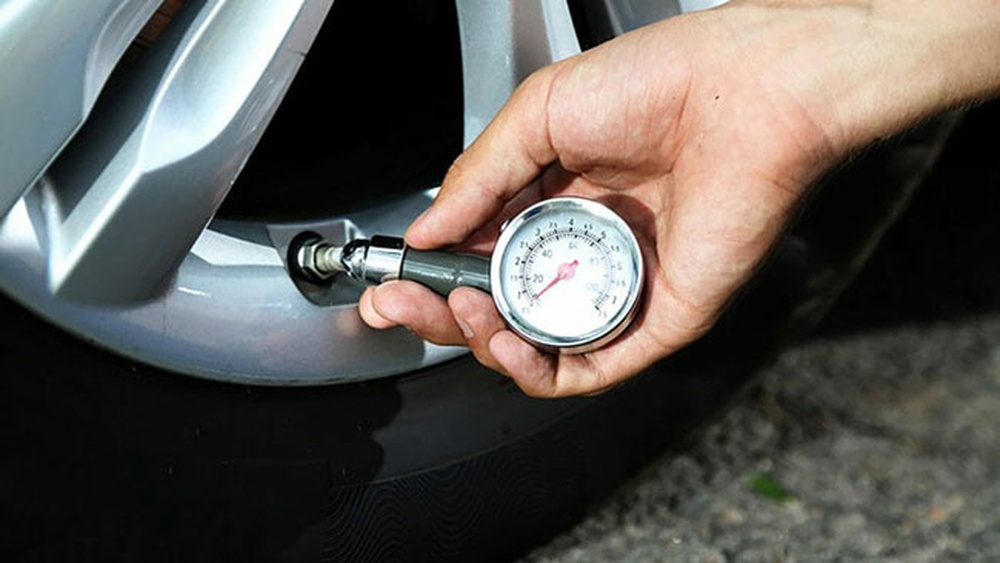
- Inflate to the placard pressure when tires are cold. Do not use the sidewall max.
- Balance and road-force if needed to cure shakes.
- Get an alignment if you see uneven wear or after a hit to a pothole.
- Rotate on schedule. Use front-to-back for directional tires and cross-rotate for non-directional if allowed.
Drive easy for the first 300 to 500 miles to scrub the mold release off. This final step locks in how to know what tires fit my car and feel great each day.
Common mistakes and my field notes
I have seen many fitment fails. Here are the top ones to avoid.
- Buying by looks and ignoring load index and speed rating.
- Trusting online lists without checking the door placard.
- Going too wide and rubbing the strut or fender at full lock.
- Setting pressure to the sidewall number, not the placard.
- Skipping an alignment after new tires.
A quick story. A client with a sporty sedan wanted a wider size. It looked good, but it rubbed the liner on tight turns. We fixed it by returning to the OE width and a tire with a squarer shoulder. It drove better, was quiet, and the ABS light stayed happy. That is how to know what tires fit my car the smart way: match the book, then test the space.
Frequently Asked Questions of how to know what tires fit my car
How do I know what tires fit my car without the owner’s manual?
Check the tire placard on the driver’s door jamb first. It lists size, load index, speed rating, and cold pressures for front and rear.
Can I use a different speed rating than stock?
You can go higher, but not lower. Lower ratings can affect safety, insurance, and handling.
Is it OK to put bigger tires on my car?
Yes, within limits. Keep overall diameter close to stock, confirm load index, and check all clearances at full lock and over bumps.
Do I need new rims to change tire size?
Only if you change wheel diameter or go outside the rim width range for the tire. Always match tire diameter to wheel diameter and follow the maker’s rim width specs.
What does XL mean on a tire?
XL means extra load. It carries more weight at higher pressure than a standard load tire of the same size.
How old is too old for a tire, even with good tread?
Have a pro inspect yearly after five years. Many brands recommend replacement around six to ten years regardless of tread.
Can I mix different tire brands or types?
Avoid mixing on the same axle. For best grip and balance, use a matching set or at least pairs across each axle.
Conclusion
The fastest path is simple: read the door placard, match the tire code, and confirm load, speed, and type for your roads. Then check wheel specs and clearance so the new set drives right and keeps your systems happy. That is how to know what tires fit my car with confidence, every time.
Ready to roll? Use this checklist today, compare two or three options, and choose the set that fits your car and your life. Want more expert tips and fitment tools? Subscribe, share your vehicle details in the comments, and I’ll help you dial in the perfect match.