
Brake rotors don’t actually “warp” like a wood plank does in humidity. What drivers call warping is usually uneven wear or distortion that makes the rotor surface wobble as it spins. That wobble transfers through the pedal and steering wheel as a vibration, usually when slowing down from highway speeds. This problem costs $300-$800 to fix and almost always starts with heat, torque, or corrosion.
Rotors distort from uneven heating and cooling cycles, improper lug nut torque, pad material deposits, and corrosion. Thermal stress is the primary culprit: repeated hard stops heat the rotor unevenly, and rapid cooling – like driving through a puddle – locks in that distortion. A rotor just 0.002-0.005 inches out of spec can cause a noticeable vibration at 40-60 mph.
Key Takeaways
- Thermal stress: Hard braking heats the rotor unevenly; rapid cooling locks in distortion.
- Lug nuts: Over-tightening or uneven torque bends the rotor during installation.
- Pad deposits: Glazed material creates high spots that mimic warping.
- Rust: Corrosion thins the rotor unevenly, causing vibration.
- Aggressive driving: Riding the brakes or frequent panic stops accelerate heat buildup.
- Warning signs: Vibration in the pedal or steering wheel at 40-60 mph indicates a problem.
Heat Buildup During Heavy Braking
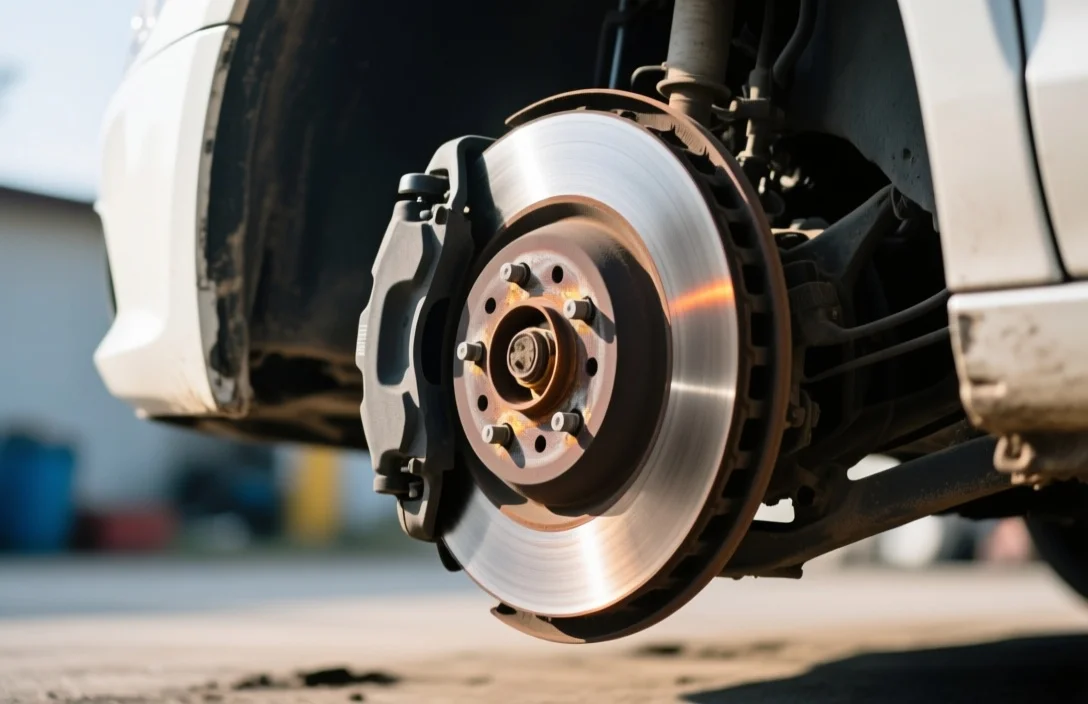
Heavy braking converts kinetic energy into heat. A single panic stop from 60 mph can spike rotor temperatures to 800-1,000°F in seconds. Because the pads don’t clamp with perfect uniformity, “hot spots” form. When you release the pedal, the rotor cools unevenly, and the metal contracts in those hot spots first. Over time, this cycle creates a wavy surface that wobbles during rotation.
Cheap rotors exacerbate this. OEM and premium aftermarket options use cast iron with higher carbon content to resist thermal distortion. I recommend spending the extra $50-$100 per axle for heat-cycle rated rotors to avoid premature failure.
The Danger of Rapid Cooling
Thermal stress is driven by the speed of temperature change. Driving through a puddle immediately after a hard stop is the fastest way to ruin a rotor. The water hits the hot metal unevenly, cooling the outer edges faster than the center and locking in permanent distortion.
Avoid sudden cooling after heavy use. If you have just descended a long mountain grade or performed a series of hard stops, let the rotors air-cool for 5-10 minutes before entering a car wash or driving through standing water. This allows the metal to equalize and contract evenly.
Lug Nut Torque and Hub Surface Issues
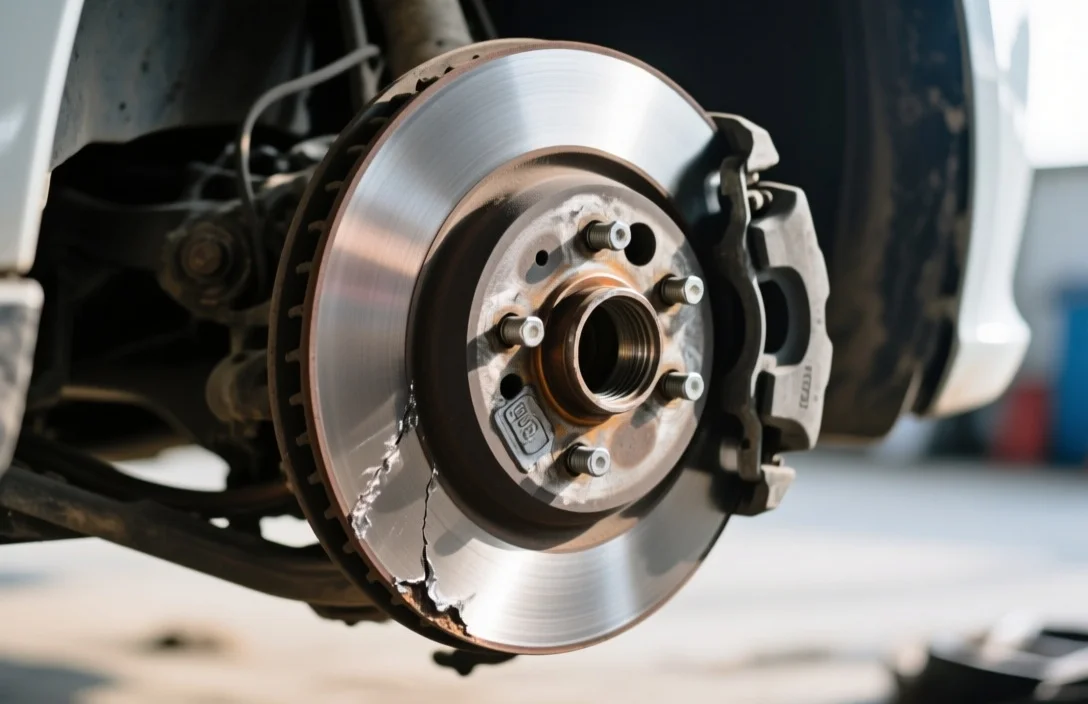
Over-tightened or unevenly torqued lug nuts bend the rotor against the hub. While most vehicles require 80-100 ft-lbs of torque, many shops use impact guns that apply 200+ ft-lbs. This excessive force creates a wobble that feels exactly like thermal warping. Similarly, rust or debris trapped between the rotor and the hub creates uneven pressure points.
Use a torque wrench for every installation. Clean the hub surface with a wire brush and apply a thin layer of anti-seize compound to prevent corrosion. If replacing rotors, check the hub for runout with a dial indicator – any measurement over 0.002 inches means the hub itself requires machining.
Pad Material Deposits and Glazing
Semi-metallic and ceramic pads leave a thin layer of material on the rotor. Under normal conditions, this wears evenly. However, riding the brakes or repeated hard stops can cause pad material to glaze onto the rotor in specific spots, creating high points. This is common with low-dust ceramic pads, which run hotter and deposit material more aggressively.
If you feel a vibration immediately after installing new pads, it is likely pad deposits. Bed the pads by making 8-10 moderate stops from 40-50 mph, allowing the brakes to cool for 30 seconds between each stop. This evens out the material transfer. If the vibration persists, the rotor needs resurfacing or replacement.
Corrosion and Rust-Induced Vibration
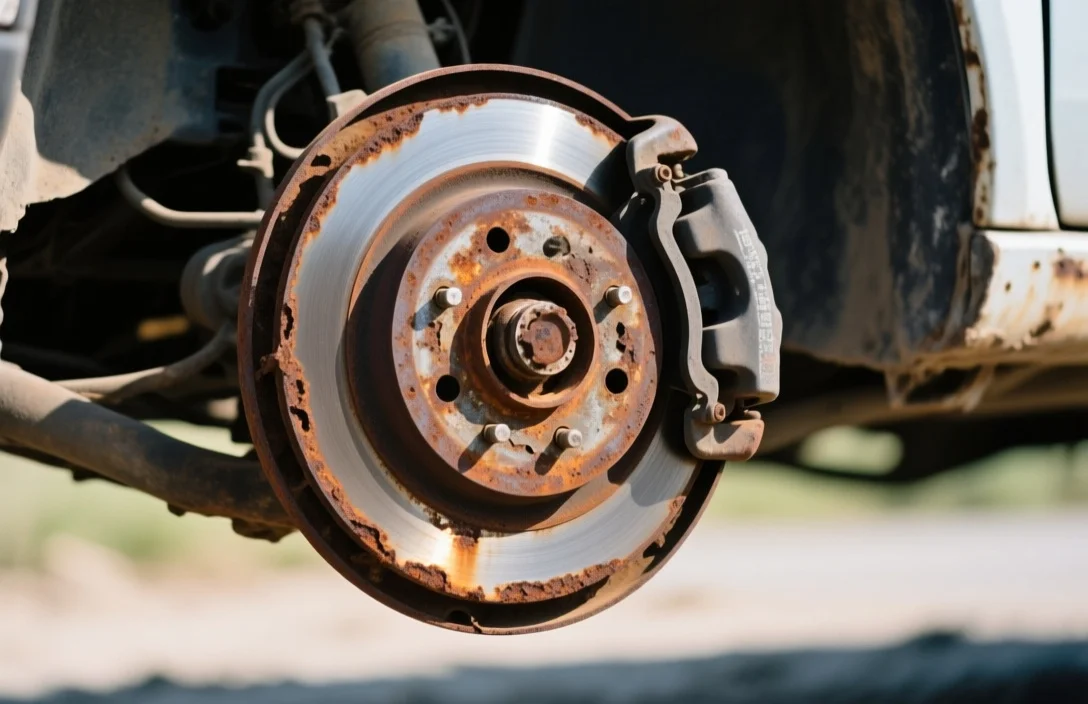
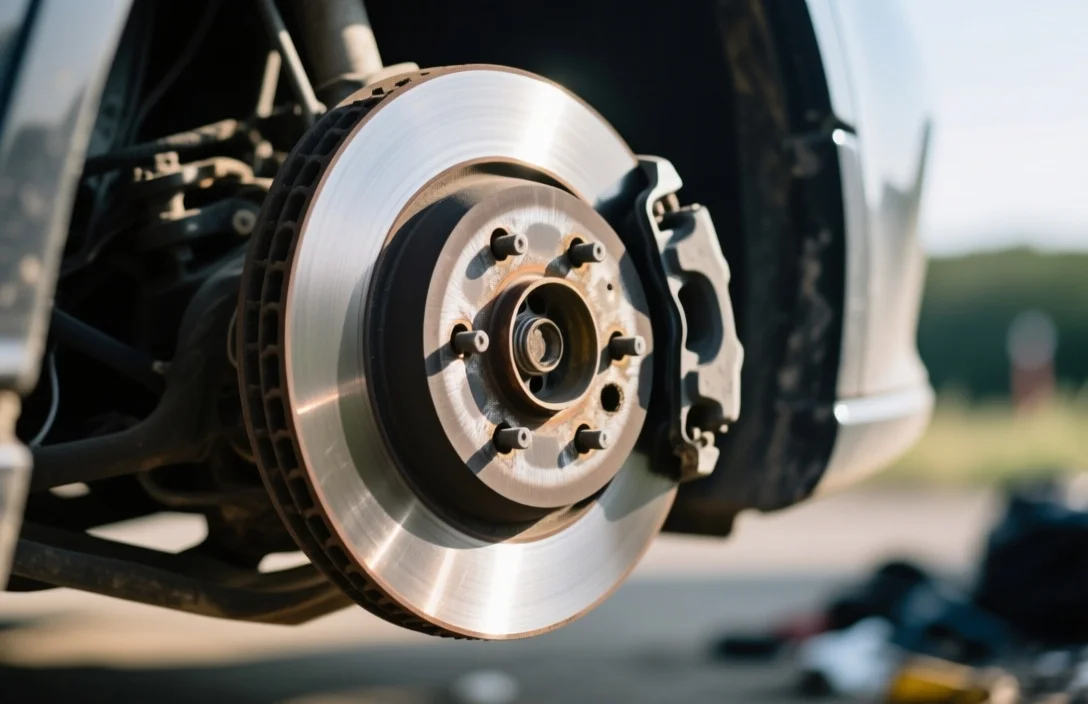
Rust thins rotors unevenly. The outer edges and cooling fins typically rust faster than the swept area where the pads make contact. This uneven loss of material creates a wobble. In humid climates or for cars that sit for long periods, surface rust can form in as little as 24 hours.
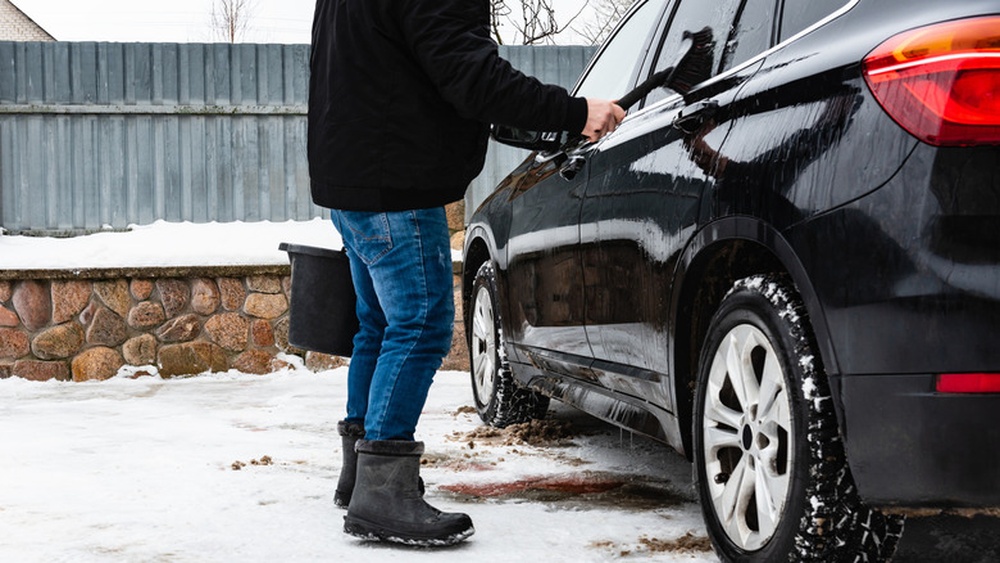
Parking in a garage or using a car cover slows this process. In snowy regions, wash the undercarriage regularly to remove road salt. When buying new rotors, choose coated or painted versions – they resist rust significantly better than bare cast iron.
Driving Habits That Kill Rotors
Riding the brakes down hills, towing heavy loads, and frequent panic stops generate excessive heat that cycles the rotor into distortion. Driving with one foot on the brake and one on the gas is equally damaging; this constant drag heats the rotors without fully engaging the pads, leading to uneven wear.
Use engine braking (downshifting) on long descents to save your brakes. Increase your following distance to allow for gradual deceleration. For those who tow regularly, upgrade to heavy-duty rotors and pads designed for higher heat loads.
Identifying Rotor Runout and Vibration
A distorted rotor rarely makes noise, but it always vibrates. The classic symptom is a pulsation in the brake pedal or steering wheel at 40-60 mph during light braking. The vibration intensifies as speed increases and vanishes once you release the pedal. Vibration in the steering wheel usually points to the front rotors; vibration in the seat or pedal typically indicates the rear.
Other warning signs include a grinding or growling noise during braking or a visible wobble in the wheel when the car is jacked up. A mechanic can verify this with a dial indicator – anything over 0.002 inches is a failure. Do not ignore severe vibration; a badly distorted rotor can crack under pressure, leading to total brake failure.
Frequently Asked Questions
Can driving through a puddle actually warp my rotors?
Yes, rapid cooling is a primary cause of distortion. If you drive through standing water immediately after hard braking, the sudden temperature drop can lock in uneven contractions in the metal, leading to a permanent wobble.
Why do I feel a vibration in my steering wheel when braking?
Vibration in the steering wheel typically indicates that the front rotors are distorted or have uneven pad deposits. This wobble transfers through the braking system and into the steering column as you decelerate, especially at speeds between 40-60 mph.
Can over-tightening lug nuts cause rotors to warp?
While not thermal warping, over-tightening lug nuts with an impact gun can physically bend the rotor against the hub. This creates a runout that feels identical to thermal distortion when you press the brake pedal.
What are pad deposits and how do they differ from warping?
Pad deposits are layers of brake material that glaze onto the rotor surface, creating “high spots.” While they mimic the feeling of a warped rotor, they can sometimes be fixed by properly bedding the pads through a series of moderate stops.
How can I prevent my rotors from distorting in the future?
Avoid riding the brakes on long descents and use engine braking instead. Additionally, ensure your lug nuts are tightened to the correct torque specifications and avoid sudden cooling of the rotors after heavy use.