
New brakes that squeak can be frustrating and concerning. This common issue typically resolves within a few days as the components settle, but persistent squeaking indicates problems that need attention. Identifying the causes helps you diagnose whether the noise is normal or requires a trip back to the mechanic. Most brake squeaks after replacement stem from installation issues, material characteristics, or the necessary bedding-in process.
New brake squeaks usually occur due to improper bedding-in, contamination on rotors, low-quality pad materials, missing anti-squeal hardware, or glazed rotor surfaces. The noise typically diminishes after 100-200 miles of normal driving as pads conform to rotors, but persistent squealing often indicates installation errors or component defects that need professional attention.
Key Takeaways
- Bedding required. New brake pads need 100-200 miles of gentle driving to properly seat against rotors and eliminate initial squeaking.
- Contamination causes noise. Oil, grease, or brake fluid on rotors creates squeaking until cleaned, often requiring rotor replacement.
- Quality matters. Cheap brake pads with high metal content or improper formulations are more prone to noise than premium options.
- Hardware is essential. Missing or improperly installed anti-squeal shims and hardware directly causes vibration and noise.
- Glazed surfaces. Overheated rotors develop a hard, glassy surface that causes squeaking until resurfaced or replaced.
Why Do Brakes Squeak After Replacement and How to Fix It?
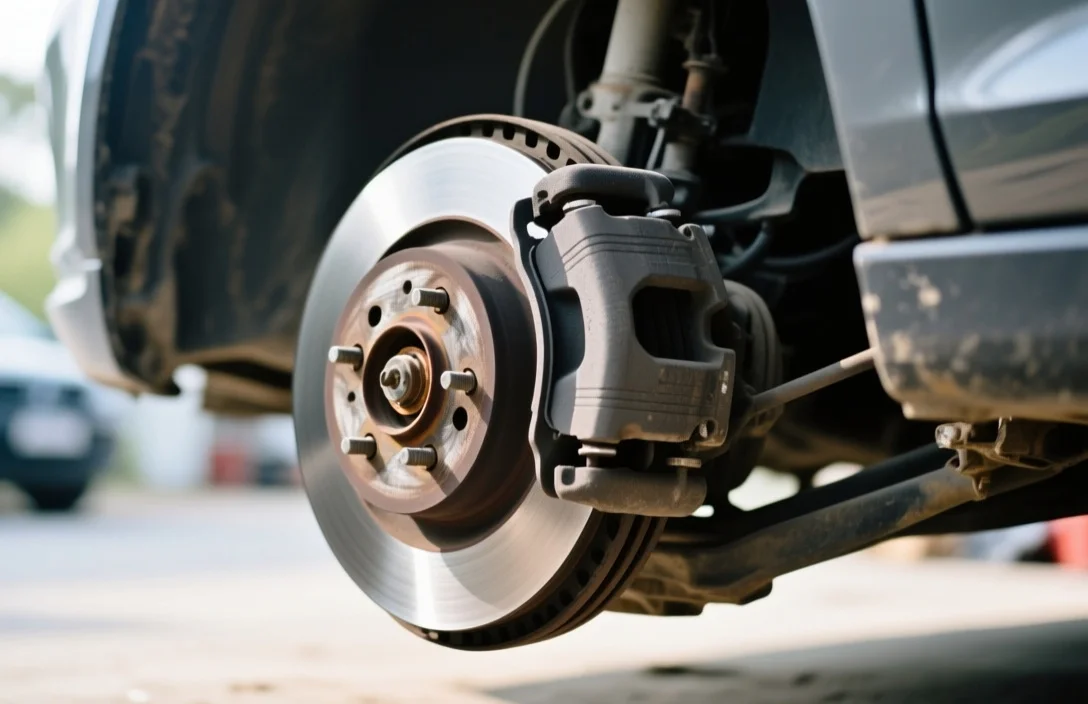
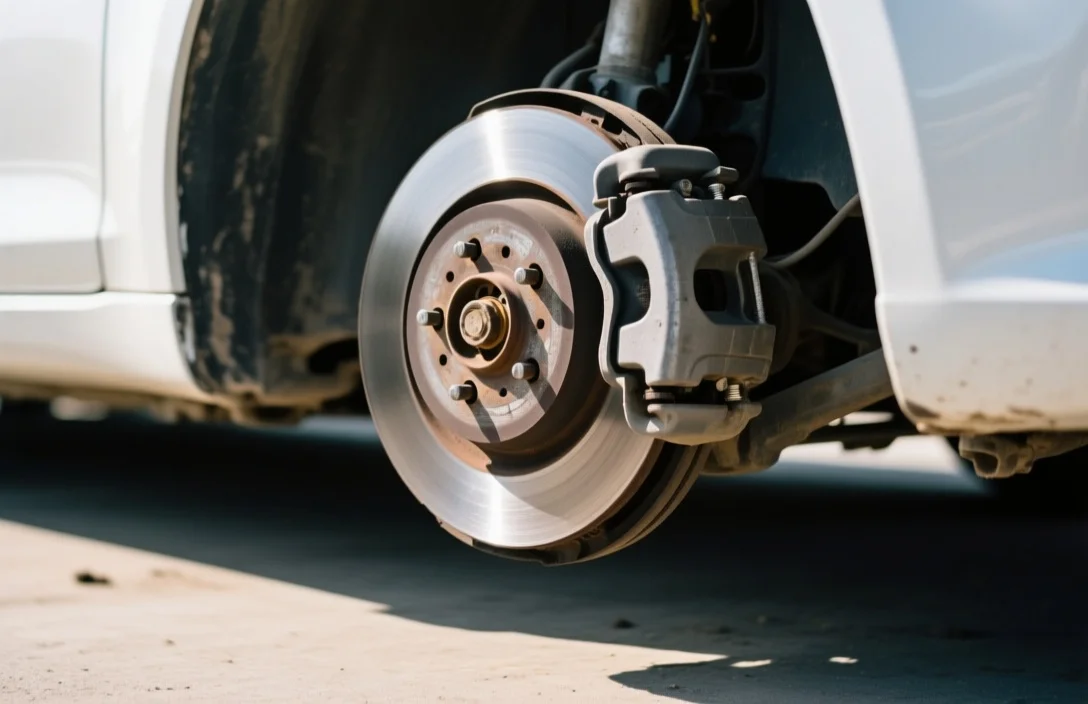
Brakes squeak after replacement primarily due to improper installation, contamination, or the normal bedding-in process. When mechanics install new brake pads and rotors, microscopic imperfections on the surfaces need time to mate together. This initial period, called bedding-in, often produces temporary noises as the pad material transfers evenly onto the rotor surface. New hardware might vibrate until it settles, and certain pad formulations are naturally noisier than others.
The most effective fix for new brake squeaking is proper bedding-in. Drive gently for the first 100-200 miles, avoiding hard stops and allowing the pads to gradually conform to the rotor surface. If squeaking persists, inspect for contamination (oil, grease, or brake fluid on rotors), verify that all hardware is properly installed, and consider upgrading to higher-quality brake components. In some cases, the rotors may need resurfacing or replacement if they’ve developed a glazed surface.
The Bedding-In Process for New Brake Pads
Bedding-in is a critical procedure that allows brake pad material to transfer evenly onto the rotor surface. This process typically requires 100-200 miles of moderate driving with gradual stops rather than abrupt braking. During bedding-in, a thin layer of pad material deposits itself onto the rotor, creating an optimal contact surface that reduces vibration and noise. Skipping or rushing this process often results in persistent squeaking and reduced braking performance.
To properly bed in new brakes, begin with 20-30 stops from 30-40 mph with moderate pressure, allowing 30 seconds of cooling between stops. Then make 10-15 stops from 50-60 mph with similar pressure. Avoid complete stops that hold the brakes for extended periods. After bedding-in, check brake performance and listen for noise reduction. If squeaking continues beyond 300 miles, investigate other potential causes like contamination or hardware issues.
Dry Brake Caliper Slide Pins and Hardware Vibration
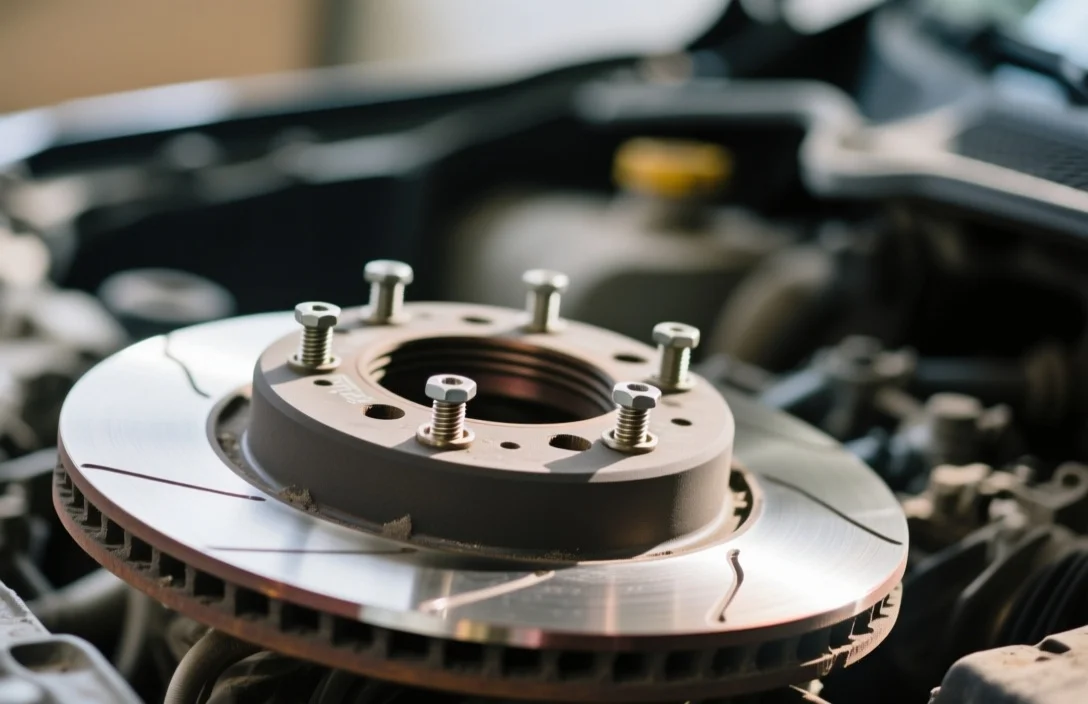
Dry or sticking caliper slide pins are a common cause of brake squeaking after replacement. The slide pins allow the caliper to move freely, ensuring even pad wear and consistent pressure. When these pins lack proper lubrication during installation, they can cause the caliper to bind, vibrate, and create noise. Similarly, missing or loose hardware like clips, springs, and shims allows components to rattle against each other during braking.
Fixing this issue requires removing the caliper and cleaning the slide pins, then applying high-temperature brake grease before reassembly. All hardware should be inspected for wear and replaced if damaged. Mechanics should use anti-squeal shims and brake grease on contact points to prevent vibration. If you’re experiencing squeaking shortly after brake service, have a technician inspect the slide pin lubrication and hardware installation, as these are common oversights during quick brake jobs.
Low-Quality Brake Pad Materials and Metal Content
The composition of brake pad materials significantly impacts noise levels. Economy brake pads often contain higher levels of metallic fibers, which can cause squeaking as they interact with rotors. These cheaper pads may also use harder formulations that take longer to bed in and are more prone to noise under certain conditions. Semi-metallic pads, while durable, tend to be noisier than ceramic or organic alternatives, especially in colder temperatures or when not properly bedded in.
Upgrading to premium ceramic brake pads often eliminates persistent squeaking issues. Ceramic pads produce less dust, operate more quietly, and offer consistent performance across temperature ranges. While they typically cost 20-30% more than economy pads, the reduced noise and improved braking performance justify the investment for many drivers. When selecting replacement brake pads, prioritize quality over price, and consider the specific driving conditions and vehicle requirements.
Oil or Grease Contamination on New Rotors
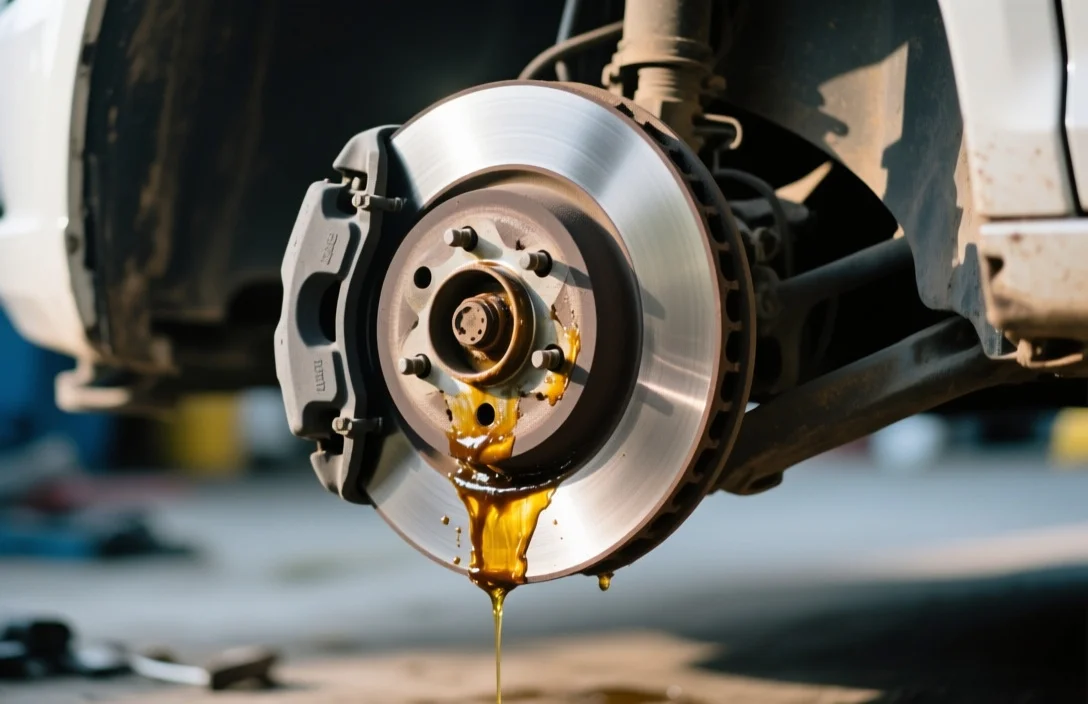
Contamination is a frequent culprit behind new brake squeaking. During brake service, mechanics might accidentally get grease, oil, or brake fluid on the rotor surface. Even a thin film of contaminant prevents proper pad-to-rotor contact, causing vibration and noise. This contamination often comes from over-lubricating slide pins, leaking wheel cylinders, or careless handling during installation. New rotors are particularly susceptible to this issue since their surfaces haven’t developed the transfer layer that helps mask minor imperfections.
Contaminated rotors typically require replacement rather than cleaning, as surface treatments can’t fully remove embedded contaminants. If you notice squeaking immediately after brake service, have the technician inspect for contamination sources. Proper installation includes cleaning all surfaces with brake cleaner before assembly and avoiding over-lubrication of components. Some mechanics apply a light layer of high-temperature brake grease to anti-rattle clips, but excessive grease will migrate to the rotor surface and cause problems.
Missing or Improperly Installed Anti-Squeal Shims
Anti-squeal shims are thin metal or rubber-coated pieces installed between the brake pad and caliper piston. They dampen vibrations that cause squeaking by acting as insulators. When these shims are missing, incorrectly installed, or of poor quality, brake pads can vibrate against the caliper, creating annoying noise. Some brake pad sets include adhesive-backed shims that must be properly positioned to function effectively.
Proper installation requires cleaning the caliper bracket surface before attaching shims with the correct orientation. High-quality shims often have a heat-dissipating design and noise-dampening layers. If squeaking occurs shortly after brake replacement and other causes are ruled out, missing or improperly installed shims are likely the culprit. Many professional brake shops use premium shims with thermal barriers that significantly reduce noise compared to basic stamped metal alternatives.
Glazed Rotors and Surface Friction Issues
Glazed rotors develop a hard, glassy surface layer that results from overheating, often from aggressive driving or worn brake pads. This glazed surface creates uneven friction, leading to vibration and squeaking. When new brake pads are installed over glazed rotors, they can’t make proper contact, causing noise from the first application. The glazed surface prevents the pad material from transferring correctly during bedding-in, perpetuating the noise issue.
Resolving glazed rotor issues typically requires either resurfacing (if within specifications) or complete replacement. Rotors should be measured for thickness before resurfacing to ensure they meet minimum safety standards. After addressing the rotor surface, proper bedding-in becomes even more critical to establish new friction material transfer. For drivers who frequently tow or carry heavy loads, considering slotted or drilled rotors can help prevent glazing by allowing better heat dissipation and gas escape.
FAQ
Why do my new brakes squeak when I first drive?
New brakes often squeak during the first 100-200 miles as they go through the bedding-in process. This normal noise occurs as the brake pad material gradually transfers onto the rotor surface. Gentle driving with moderate stops helps this process complete faster. If the squeaking continues beyond 300 miles, it indicates a potential installation issue or component problem that needs attention.
Can I drive with squeaking brakes?
Occasional light squeaking during the bedding-in period is generally safe to drive. However, persistent loud squeaking, grinding noises, or reduced braking performance require immediate attention. Continuing to drive with severely worn brakes or damaged components can lead to complete brake failure, rotor damage, and significantly increased repair costs.
How much does it cost to fix squeaking brakes?
Fixing brake squeaking typically ranges from $0 to $300. If the issue is just the normal bedding-in process, no cost is involved. For hardware repairs or shims, expect $50-150 in labor. If rotor resurfacing or replacement is needed, costs increase to $150-300 per axle. Premium brake pad upgrades can add $100-200 but often provide quieter, longer-lasting performance.
Will brake squeak go away on its own?
Bedding-in squeak usually diminishes within 100-200 miles of normal driving. However, squeaking caused by contamination, hardware issues, or glazed surfaces won’t resolve without corrective action. If the noise persists beyond the bedding period or appears suddenly after initial quiet operation, professional diagnosis is necessary to identify and address the underlying cause.
What type of brake pads are quietest?
Ceramic brake pads are generally the quietest option, producing minimal noise and dust. They offer consistent performance across temperature ranges and typically last longer than organic or semi-metallic alternatives. Premium organic compounds can also provide quiet operation but may wear faster than ceramic options. When selecting quiet brake pads, consider both the material composition and quality of manufacturing, as premium brands often use better noise-damping technologies.