
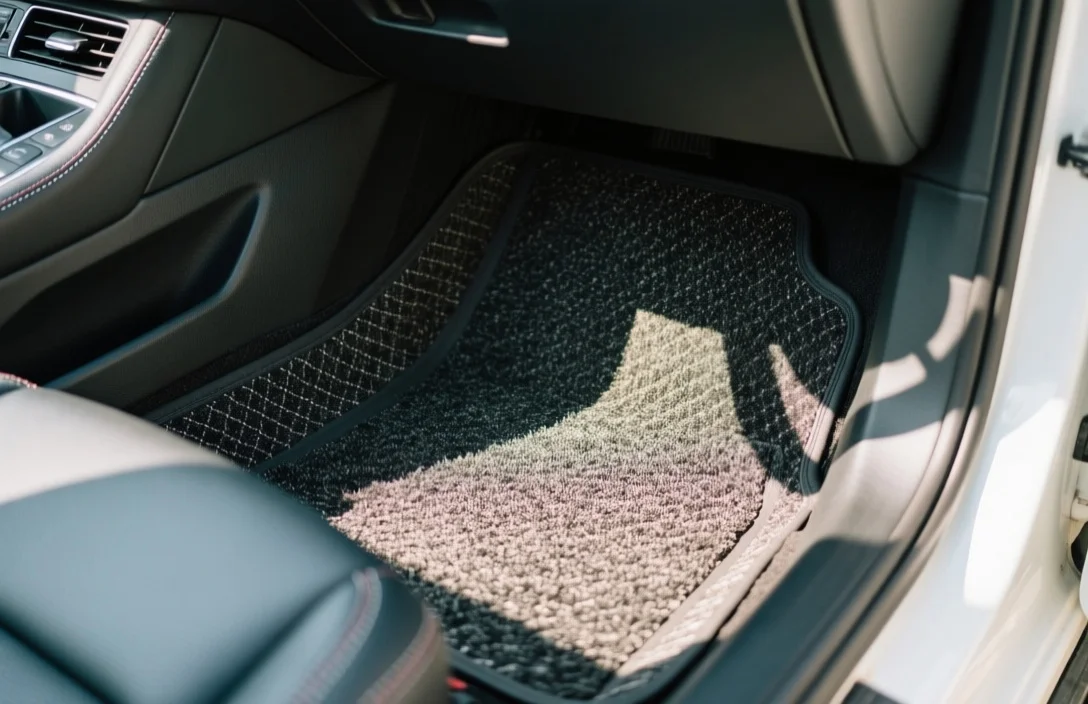
Car floor mats act as a sacrificial barrier between your shoes and the permanent upholstery of your vehicle. Without them, every grain of sand, spilled coffee, and clump of mud embeds directly into the factory carpet, where it becomes nearly impossible to remove. Investing in a set of mats shifts the cleaning burden from a professional detailing shop to a simple shake-out in your driveway.
Car floor mats protect the vehicle’s original carpeting from stains, moisture, and physical wear, which prevents permanent fabric degradation. They typically save owners hundreds of dollars in professional cleaning costs and can increase a vehicle’s resale value by maintaining a “like-new” interior appearance.
Key Takeaways
- Prevent permanent stains. Mats stop spills and mud from soaking into the factory carpet fibers.
- Boost resale value. A pristine interior allows you to ask for a higher price when selling.
- Control cabin air. Trapping dust and pollen in a mat prevents them from circulating in the air.
- Stop rust. Rubber mats block winter salt from corroding the metal floor pan beneath the carpet.
- Simplify cleaning. Removing a mat for a quick rinse is faster than vacuuming the entire car.
- Ensure safety. Properly secured mats prevent the driver’s foot from sliding under the brake pedal.
Why You Need Car Floor Mats for Interior Protection
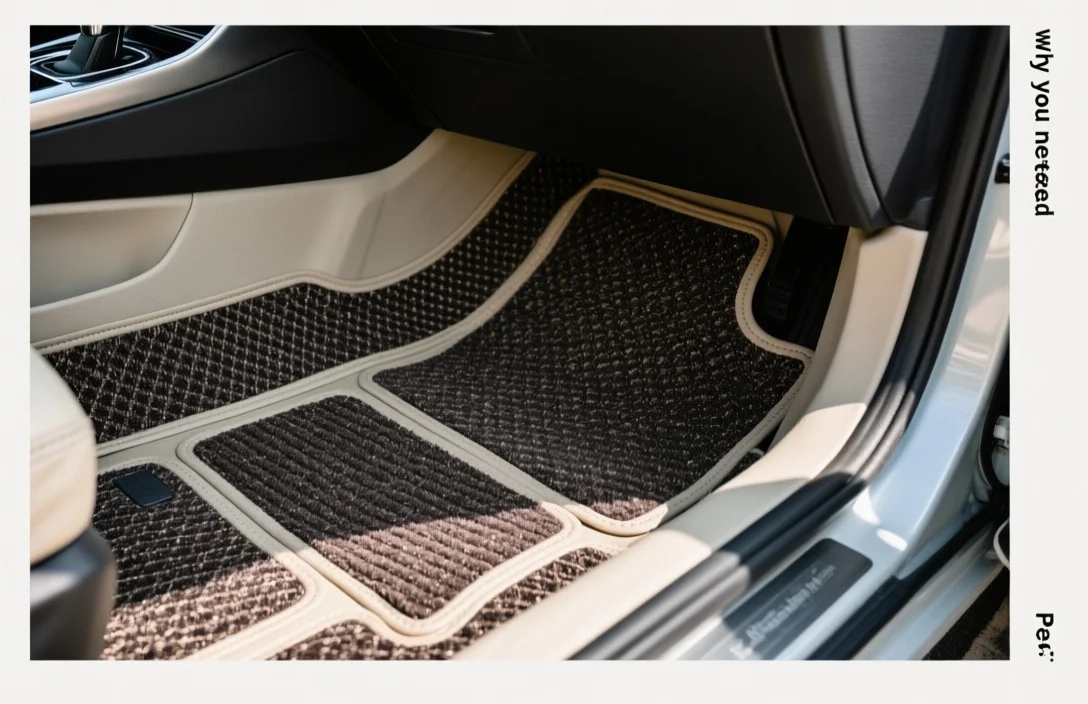
Factory carpeting is designed for aesthetics and basic sound dampening, not for high-traffic durability. Every time you enter a vehicle, you bring in contaminants – dirt, oils, and debris – that act like sandpaper on the carpet fibers. Over time, this friction thins the fabric, leading to permanent bald spots in the driver’s footwell.
Floor mats take this abuse so the car doesn’t have to. By adding a layer of rubber or heavy-duty carpet, you create a removable shield that can be replaced every few years. This is significantly cheaper than attempting to replace or steam-clean a ruined factory floor.
For instance, if you frequently carry pets or children, the volume of debris increases exponentially. A child’s spilled juice box or a dog’s muddy paws can saturate a carpet in seconds. A mat captures these liquids on the surface, allowing you to wipe them away before they reach the padding underneath.
In practice, the protection extends beyond just the surface. Mats prevent heavy objects, like a gym bag or a heavy boot, from crushing the carpet pile. Once factory carpet is crushed flat, it rarely bounces back, leaving a permanent mark that signals neglect to any future buyer.
Preventing Carpet Stains and Permanent Fabric Damage
Liquid spills are the primary enemy of vehicle interiors because they seep through the carpet and into the foam padding below. Once a liquid reaches the padding, it becomes a breeding ground for mold and mildew, often creating a musty smell that persists even after the surface looks clean.
Most car floor mats are designed to trap liquids in a contained area. Rubber mats are completely waterproof, while high-quality carpet mats often feature a moisture-resistant backing. This prevents a coffee spill from migrating into the chassis of the car.
Stains from oil, grease, or food are particularly difficult to remove from factory fabrics. These substances bond with the synthetic fibers of the carpet, and harsh chemical cleaners used to remove them can often bleach the fabric or leave a ring.
For example, a drop of motor oil from a garage floor can leave a permanent dark spot on a grey interior. If that oil hits a rubber mat, you simply use a degreaser and a rag to wipe it clean. The original carpet remains untouched and pristine.
Reducing Dust and Allergen Buildup Inside the Cabin
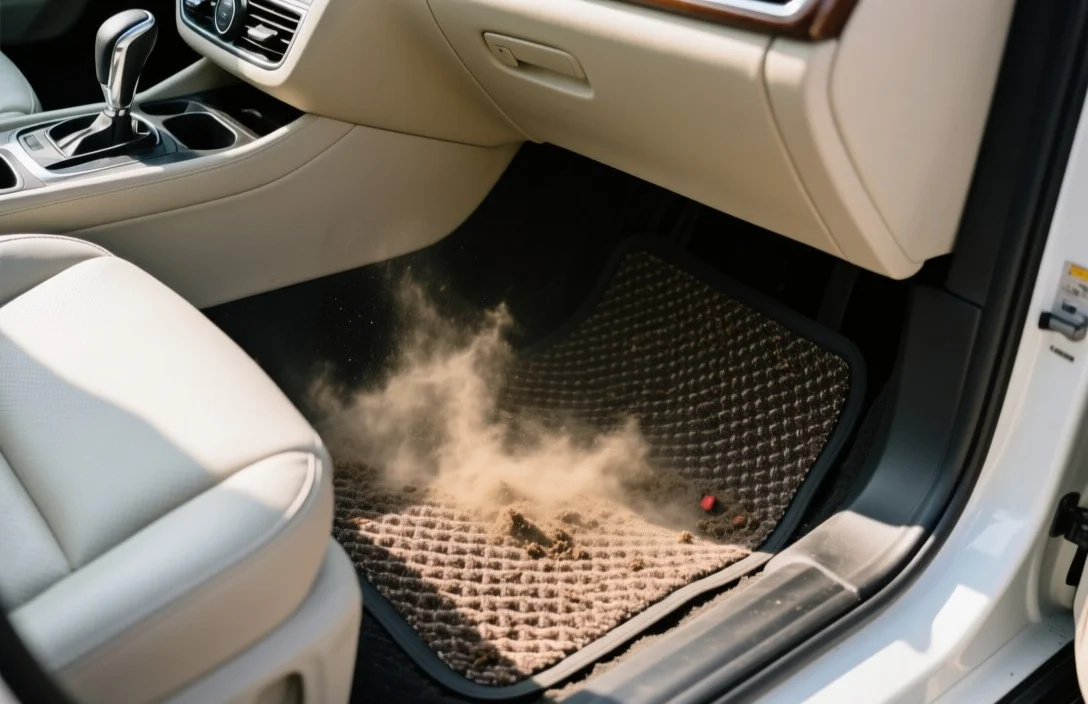
Cars act as vacuum cleaners on wheels, sucking in dust, pollen, and road grime through the vents and open doors. Much of this debris settles on the floor, where it stays until it is kicked up by your feet and inhaled by the passengers.
Floor mats serve as a primary filtration system for the cabin. The texture of a mat – whether it is the ribs of a rubber liner or the loops of a carpet mat – is designed to grab and hold these particles. Instead of the dust floating in the air, it stays trapped in the mat’s surface.
This is especially critical for drivers with allergies or asthma. When you remove your mats to shake them out or wash them, you are physically removing allergens from the vehicle’s environment. Without mats, these particles simply migrate deeper into the carpet fibers.
In practice, this means your air filtration system doesn’t have to work as hard. Less dust on the floor means less dust being recirculated through the HVAC system, which can extend the life of your cabin air filter and keep the air fresher for everyone inside.
Maintaining Vehicle Resale Value With Floor Protection
The interior condition is one of the first things a professional appraiser or a private buyer examines during a vehicle inspection. A stained, worn, or smelling interior suggests that the rest of the car may have been neglected, which often leads to lower offers.
Maintaining a “mint” interior is significantly easier when you use floor mats. When it comes time to sell, removing the mats to reveal a factory-fresh carpet creates a powerful psychological impact on the buyer. It demonstrates a level of care that justifies a premium price.
Consider the difference between two five-year-old cars of the same model. One has worn-down driver-side carpets and a faint smell of old spills; the other has a pristine floor because the owner used all-weather mats for five years. The second car will almost always sell faster and for more money.
The cost of a high-quality mat set is a small fraction of the potential loss in resale value. Spending 100 to 200 dollars now can easily protect 500 to 1,000 dollars in equity when you eventually trade in or sell the vehicle.
Comparing Rubber All Weather Mats and Luxury Carpets
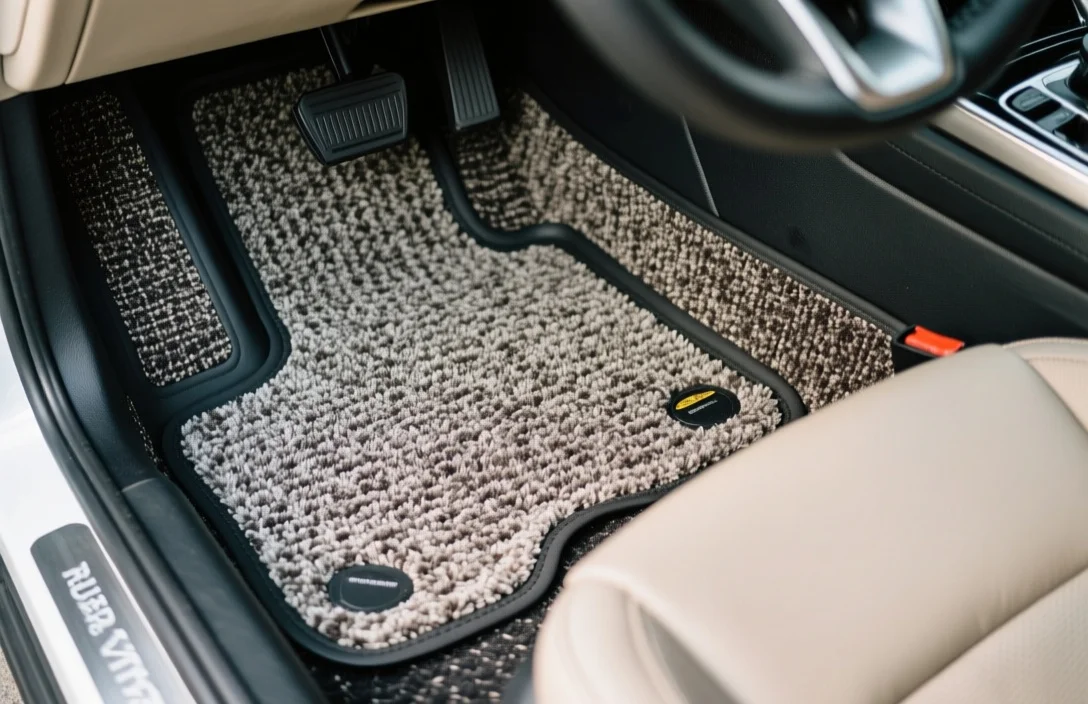
Choosing the right mat depends entirely on your climate and how you use your vehicle. Rubber mats are built for utility and protection, while luxury carpet mats are designed for comfort and aesthetics.
Rubber mats, often made from TPE (Thermoplastic Elastomer), are the gold standard for protection. They are waterproof, easy to spray down with a hose, and often feature “deep dishes” or raised edges that prevent liquids from spilling over the sides.
Luxury carpet mats offer a softer feel and a more integrated look. They are ideal for those who live in dry climates or use their cars primarily for professional commuting. While they provide some protection, they cannot handle heavy mud or snow as effectively as rubber.
| Feature | Rubber All-Weather Mats | Luxury Carpet Mats |
|---|---|---|
| Water Resistance | 100% Waterproof | Low to Moderate |
| Cleaning Method | Hose / Pressure Washer | Vacuum / Spot Clean |
| Durability | Extremely High | Moderate |
| Aesthetics | Utility / Industrial | Elegant / Integrated |
| Best For | Winter, Rain, Pets, Kids | Dry Climates, Formal Use |
| Maintenance | Low (Shake and Rinse) | Medium (Regular Vacuuming) |
For the best of both worlds, many owners use a “seasonal swap” strategy. They install luxury carpet mats during the summer and swap them for heavy-duty rubber liners during the rainy or snowy months.
Stopping Moisture and Salt Corrosion in Winter
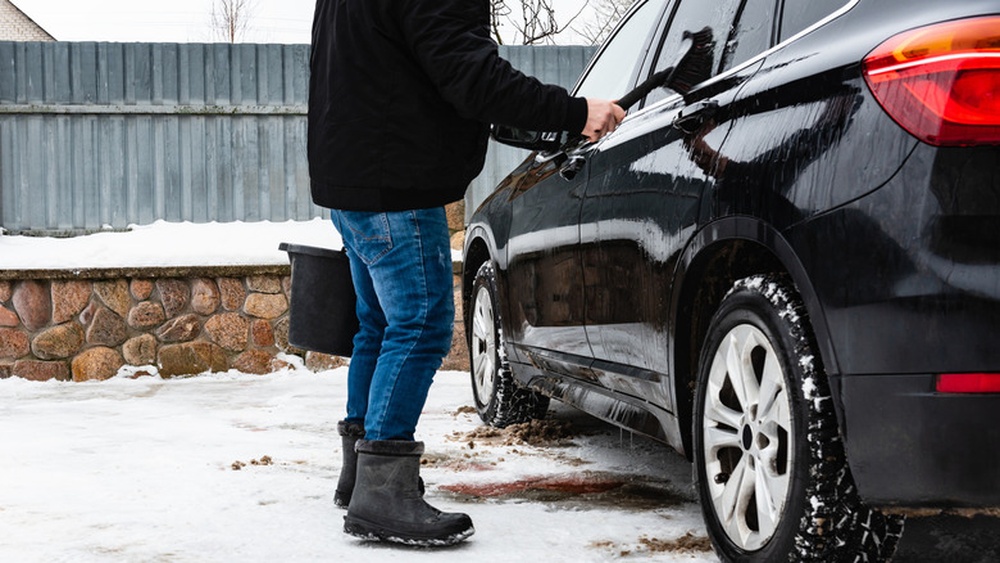
Road salt is highly corrosive and acts as a catalyst for rust when it enters a vehicle. In winter, salt-laden slush clings to your boots and melts into the carpet. This salty brine then seeps through the fabric and settles on the metal floor pan of the car.
Once the salt reaches the metal, it can trigger oxidation and rust, even if the car is kept in a garage. This corrosion happens silently beneath the carpet, and by the time you notice it, the structural integrity of the floor pan may already be compromised.
All-weather rubber mats create an impermeable barrier that stops salt and water from ever touching the factory carpet. The raised edges of these mats act as a dam, trapping the slush in a plastic basin where it can be easily poured out.
For example, a driver in a snowy region like Michigan or New York who uses only carpet mats will likely find their floorboards damp for weeks. A driver using deep-dish rubber mats can simply pull the mats out, dump the slush, and keep the interior dry.
Securing Mats to Prevent Pedal Interference
A loose floor mat is a significant safety hazard that can lead to “pedal entrapment.” If a mat slides forward, it can lodge itself under the brake pedal, preventing the driver from applying full stopping force during an emergency.
Modern vehicles typically include floor anchors or clips that lock the mat into place. These are not optional accessories; they are critical safety features. You should always ensure that your mats are snapped firmly into these anchors before starting the engine.
If your mats did not come with anchors, you can purchase universal anti-slip pads or heavy-duty Velcro strips to keep them stationary. The goal is to ensure that the mat cannot move even an inch toward the pedals during aggressive braking or acceleration.
In practice, you should perform a “push test” every time you clean your mats. After reinstalling them, push the mat firmly toward the pedals with your foot. If it slides or bunches up, it needs to be repositioned or secured better.
To ensure maximum safety, avoid “stacking” mats. Placing a rubber mat on top of a carpet mat creates a thick, unstable layer that is much more likely to slide or jam a pedal. Use one high-quality mat that fits the contours of your specific vehicle model.
Invest in a set of custom-fit mats rather than universal ones. Custom mats are laser-measured to the exact dimensions of your footwell, meaning there are no gaps for the mat to shift and no excess material to bunch up under your feet.
Get a set of custom-fit, all-weather rubber mats today to protect your interior from the elements and maintain your car’s value. Start by measuring your footwell or checking your vehicle’s year, make, and model on a reputable automotive site to find a precision-fit set.
FAQ
Do I really need mats if my car already has carpeting?
Yes. Factory carpeting is the final layer of your car’s interior and cannot be replaced easily. Mats act as a sacrificial layer that catches dirt and liquids, preventing them from permanently staining or wearing down the original fabric.
Which is better: rubber or carpet mats?
Rubber mats are superior for protection and cleaning, especially in wet or snowy climates. Carpet mats provide a more luxury look and feel but require more maintenance and offer significantly less protection against liquids and salt.
Can floor mats cause the brake pedal to stick?
Yes, if they are incorrectly sized or unsecured. A mat that is too large or slides forward can get lodged under the brake pedal. Always use the factory retention clips to lock the mats in place.
How often should I clean my car floor mats?
For rubber mats, a weekly shake-out and a monthly wash with soap and water is ideal. Carpet mats should be vacuumed weekly and spot-cleaned immediately after any spill to prevent the stain from setting.
Are universal mats as good as custom-fit mats?
No. Universal mats often leave gaps where dirt can seep through or have excess material that bunches up. Custom-fit mats are laser-cut to your specific model, providing edge-to-edge coverage and a more secure fit.