
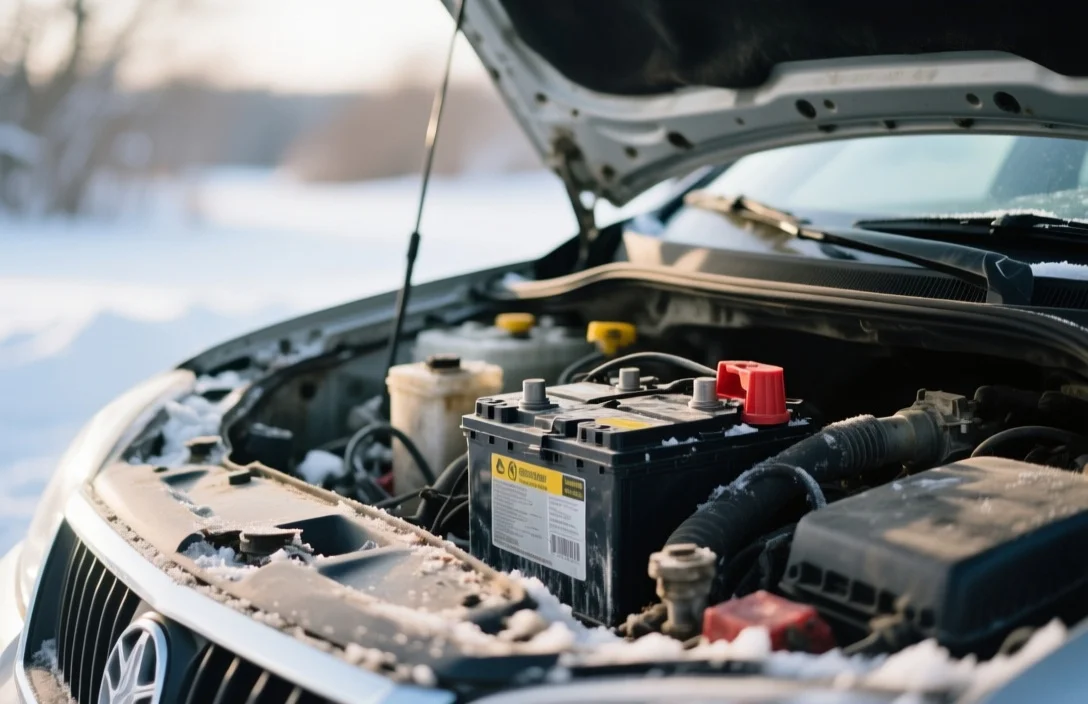
Car batteries die in winter because cold temperatures slow down the chemical reactions inside the battery, reducing its ability to produce the power needed to start your engine. A battery that works fine in warmer months may struggle when temperatures drop below freezing, leaving you stranded with a car that won’t start. This article explains exactly why winter is so tough on batteries and what you can do to prevent being left in the cold.
Cold temperatures reduce a battery’s capacity by up to 50% while increasing the power needed to start your engine by 30-40%, creating a perfect storm that leaves many batteries unable to deliver the necessary cranking amps.
Key Takeaways
- Chemical slowdown. Winter temperatures slow the chemical reactions in your battery, reducing its ability to produce power.
- Increased engine resistance. Cold oil thickens, making your engine harder to turn over and requiring more power from the battery.
- Reduced capacity. Car batteries can lose up to 50% of their capacity in freezing temperatures.
- Older batteries fail first. Batteries over 3 years old are particularly vulnerable to cold weather failures.
- Prevention beats reaction. Maintaining your battery before winter hits is far more effective than dealing with a dead battery later.
Why Does My Car Battery Keep Dying in Winter: The Cold Truth?
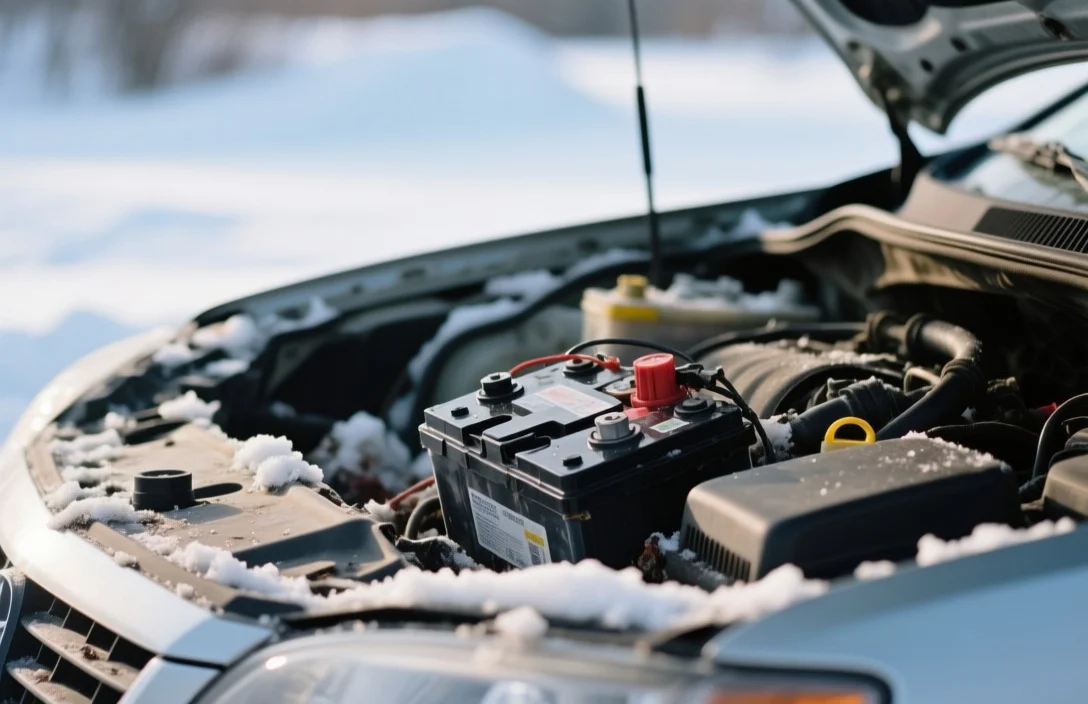
Your car battery dies in winter because cold temperatures significantly reduce its ability to deliver the power needed to start your engine. Battery chemistry depends on chemical reactions that naturally slow down as temperatures drop. At 32°F (0°C), a typical car battery loses about 35% of its capacity, and at 0°F (-18°C), it can lose up to 60%. This means a fully charged battery in winter may have only half the power it would have in summer.
The problem isn’t just about reduced capacity. Cold engine oil thickens dramatically, making it much harder for your starter motor to turn over the engine. Your battery must work significantly harder to get the engine running, often requiring twice as much power in freezing conditions as it would on a warm day. This combination of reduced battery capacity and increased power demand creates the perfect conditions for winter starting failures, especially in batteries that are already weakened by age or previous discharges.
How Winter Temperatures Affect Your Battery’s Performance
Winter temperatures impact your car battery in several critical ways. The electrolyte inside your battery, a mixture of sulfuric acid and water, becomes less fluid as temperatures drop. This increased viscosity slows down the movement of ions between the battery’s plates, reducing its ability to generate electrical current. For every 10°F drop in temperature, your battery’s capacity decreases by approximately 5-7%.
Cold also increases the internal resistance of your battery, meaning it must work harder to deliver the same amount of current. This resistance creates a vicious cycle: as the battery works harder, it generates heat, which then dissipates quickly in cold temperatures, further reducing its performance. Additionally, your vehicle’s charging system may not operate as efficiently in extreme cold, potentially leaving your battery undercharged during winter months. The result is a battery that struggles to hold a charge and deliver the necessary cranking power when you most need it.
Signs Your Car Battery is Failing in Cold Weather
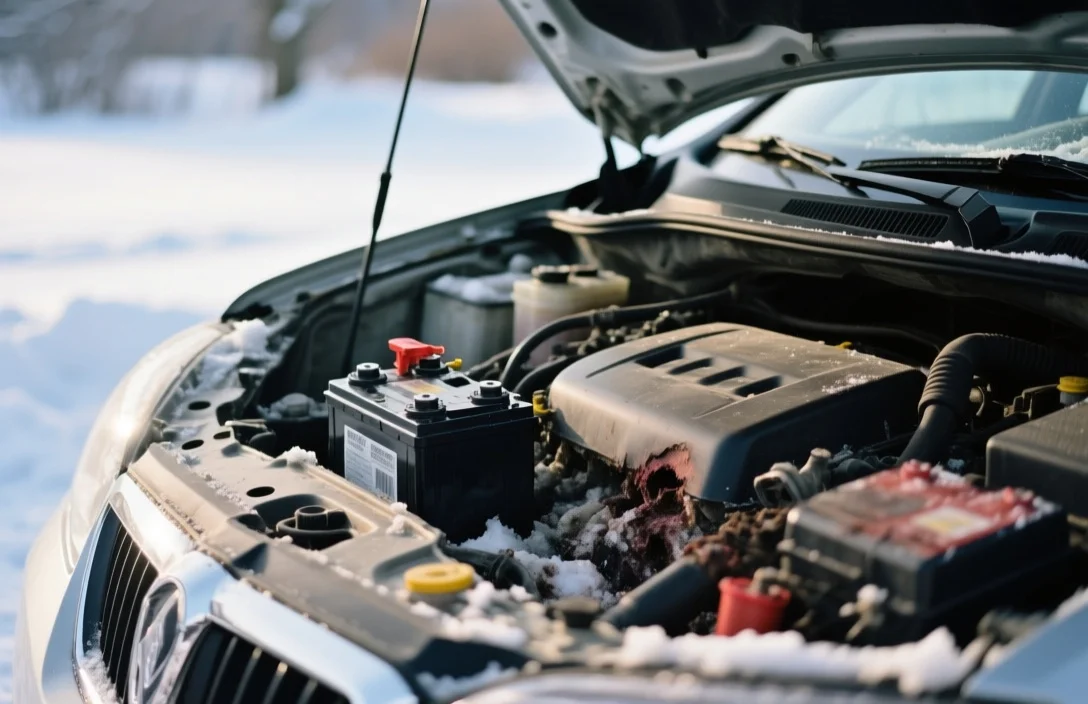
Several warning signs indicate your battery may not survive the winter. The most obvious is slow cranking when you start your car – if the engine turns over sluggishly or takes longer than usual to start, your battery may be struggling. You might also notice dimming headlights or dashboard lights when you try to start the engine, which indicates the battery doesn’t have enough power to handle both starting and electrical systems simultaneously.
Other warning signs include needing multiple attempts to start your car, especially on cold mornings, or hearing a clicking sound when you turn the key (which typically indicates the starter motor isn’t getting enough power). If your battery is more than three years old, it’s particularly vulnerable to cold weather failure. Many batteries that show no issues in warmer months will suddenly fail when temperatures drop, making it crucial to address potential problems before winter arrives.
Preventative Measures to Stop Winter Battery Drain
Taking proactive steps before winter can significantly reduce your chances of being stranded with a dead battery. First, have your battery tested by a professional before cold weather hits. Most auto parts stores offer free battery testing that can determine if your battery has enough capacity to handle winter conditions. If your battery is more than three years old, consider replacing it proactively rather than waiting for failure.
To minimize battery drain during winter:
- Limit short trips that don’t allow the battery to fully recharge
- Turn off all electrical accessories (lights, radio, heater) before starting the engine
- Keep your battery terminals clean and free of corrosion
- Park your car in a garage when possible to maintain a warmer temperature
- Consider using a battery maintainer or trickle charger if your vehicle is parked for extended periods
- Insulate your battery with an insulation blanket designed for automotive batteries
These simple steps can help ensure your battery has the best chance of surviving winter conditions without leaving you stranded.
Jumpstarting Your Car in Freezing Conditions
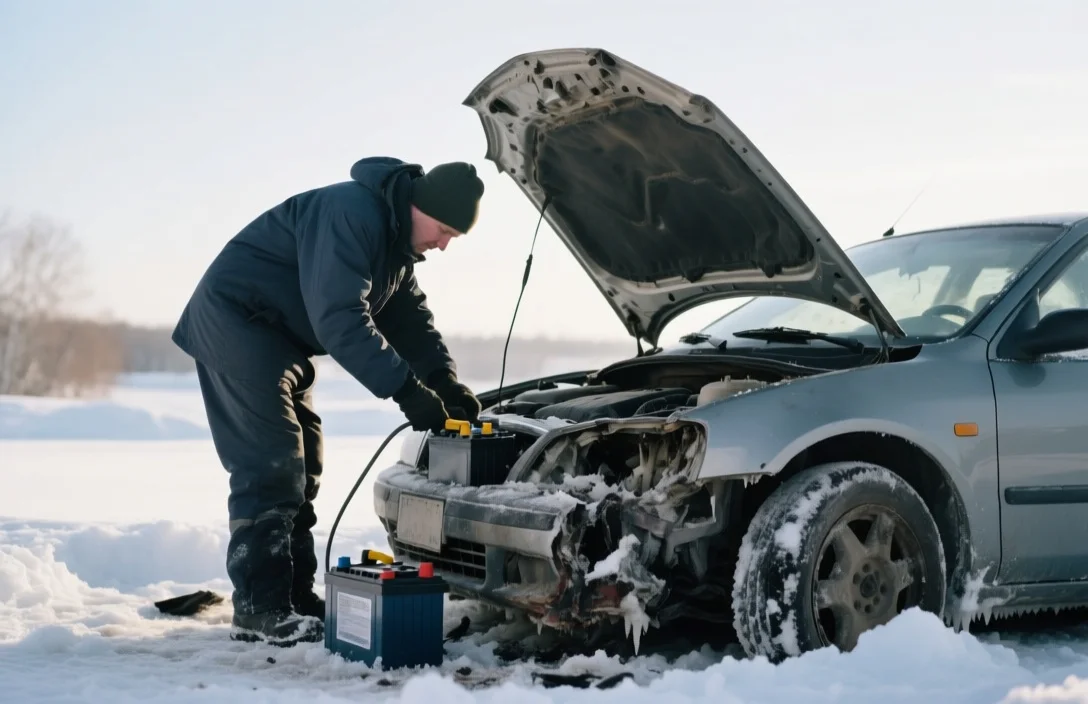
When your battery dies in winter, jumpstarting is often the quickest solution, but cold weather adds complications. First, ensure both vehicles are parked close enough for jumper cables to reach but not touching. Turn off both engines and all electrical accessories before connecting the cables. Connect the positive (red) clamp to the positive terminal of the dead battery, then attach the other end to the positive terminal of the good battery. Next, connect the negative (black) clamp to the negative terminal of the good battery, and finally, attach the other end to an unpainted metal surface on the dead car’s engine block – this provides a ground connection and reduces the risk of sparks near the battery.
After connecting the cables, start the engine of the donor vehicle and let it run for a few minutes, then try starting the dead vehicle. If it doesn’t start immediately, wait a few more minutes and try again. Once the dead car starts, let both engines run for at least 10 minutes before disconnecting the cables in reverse order: remove the negative cable from the car that was jumped first, then the negative from the donor vehicle, followed by the positive from the donor vehicle, and finally the positive from the jumped vehicle. Be aware that extremely cold temperatures can make jumpstarting more difficult, and if your battery is very old or damaged, it may not hold a charge even after being jumped.
Choosing the Right Battery for Winter Survival
Not all car batteries perform equally well in winter conditions. When selecting a replacement battery, consider these key factors:
| Battery Type | Cold Cranking Amps (CCA) | Price Range | Best For |
|---|---|---|---|
| Standard Flooded Lead-Acid | 400-600 CCA | $100-150 | Budget-conscious drivers in moderate climates |
| Enhanced Flooded Lead-Acid | 600-800 CCA | $150-200 | Better performance in cold temperatures |
| Absorbent Glass Mat (AGM) | 700-900+ CCA | $200-300 | Vehicles with high electrical demands and extreme cold |
| Lithium-ion | 800-1000+ CCA | $300-500 | Maximum performance and longest life |
Cold Cranking Amps (CCA) is the most important specification for winter performance – it measures how many amps a battery can deliver at 0°F (-18°C) while maintaining at least 7.2 volts. For most northern climates, a battery with at least 600 CCA is recommended, while extreme cold areas may benefit from 800+ CCA batteries. AGM and lithium-ion batteries offer better cold weather performance and longer lifespans but come at a higher price point. When replacing your battery, choose one that meets or exceeds your vehicle’s manufacturer specifications for CCA and reserve capacity, and consider upgrading if you frequently experience extreme winter conditions.
FAQ: Car Battery Winter Issues
How long do car batteries typically last in cold climates?
Car batteries typically last 3-5 years in cold climates, but winter conditions can significantly reduce this lifespan. Cold temperatures increase internal resistance and chemical reactions that degrade battery components, making batteries in northern regions more likely to fail after 2-3 years compared to 4-5 years in warmer areas.
Does cold weather permanently damage car batteries?
Cold weather itself doesn’t permanently damage batteries, but it reveals weaknesses that already exist. Freezing temperatures can cause an already weakened battery to fail, and if a battery is discharged in freezing conditions, the electrolyte can freeze and expand, potentially cracking the battery case and causing permanent damage.
Can I leave my car battery on a trickle charger all winter?
Yes, using a smart battery maintainer or trickle charger throughout winter is an excellent way to preserve battery life. Modern smart chargers monitor battery voltage and only deliver power when needed, preventing overcharging while ensuring your battery remains fully charged during periods of infrequent use.
Why does my battery die after only a few days of not driving?
Cold temperatures increase the rate of battery self-discharge. A healthy battery might self-discharge about 5% per week at room temperature, but this can double in freezing temperatures. Additionally, modern vehicles draw a small amount of power even when “off” for computers and security systems, which can drain a weak battery more quickly in cold weather.
Should I disconnect my battery during extreme cold?
Disconnecting your battery during extreme cold isn’t necessary and can be inconvenient. Instead, use a battery maintainer/trickle charger to keep it at optimal voltage. If you’re storing a vehicle for an extended period in very cold conditions, connecting a maintainer is far more effective than disconnecting the battery.
To prevent winter battery problems, have your battery tested before cold weather arrives and consider upgrading if you live in an area with extreme temperatures. A small investment in preventative maintenance can save you from the frustration and inconvenience of being stranded with a dead battery when you need your car most.
Frequently Asked Questions
Why does my car battery die overnight in winter but not in summer?
Cold temperatures slow down the chemical reactions inside your battery, reducing its capacity to hold a charge. Even slight discharges from clocks, alarms, or parasitic drains become more noticeable in winter because the battery can’t recover as effectively. A battery that maintains charge fine in summer may lose power overnight when temperatures drop below freezing.
Can a weak alternator cause my battery to die more often in winter?
Yes, a weak alternator can contribute to winter battery failures. Cold temperatures make your engine work harder, increasing electrical demand from accessories like heaters and defrosters. If your alternator isn’t charging properly, your battery won’t get fully recharged during short winter trips, leaving it vulnerable to failure when you need it most.
How long should I drive to recharge my battery after a jump start in cold weather?
In winter conditions, you should drive for at least 20-30 minutes to allow your alternator to fully recharge the battery. Cold temperatures reduce charging efficiency, so longer drives are better. Short trips of less than 10 minutes may not provide enough charging time, especially if you’re using power-consuming accessories like heaters or defrosters.
Will disconnecting my battery when parked prevent it from dying in winter?
Disconnecting your battery can prevent parasitic drain from slowly discharging it, but this isn’t practical for most drivers. A better solution is to use a battery maintainer or trickle charger if your vehicle will be parked for extended periods. These devices keep your battery at optimal charge without overcharging it, which is especially helpful in cold weather.
Why does my car battery work fine when I test it but still dies in cold weather?
Many battery testers check voltage at room temperature, which doesn’t account for how cold affects battery performance. A battery that tests fine in warm conditions may lose up to 60% of its capacity in freezing temperatures. Cold-weather testing requires specialized equipment that simulates winter conditions to accurately predict how your battery will perform when temperatures drop.