
Spray soapy water, watch for bubbles, listen for hissing, and check the valve stem.
If you need to know how to find a tire leak fast and right, you are in the right place. I have spent years fixing flats in the shop and at home. In this guide, I show how to find a tire leak with simple tools, clear steps, and pro tips. You will learn what causes leaks, how to test, and when to repair or replace.

Why tires leak and what it means
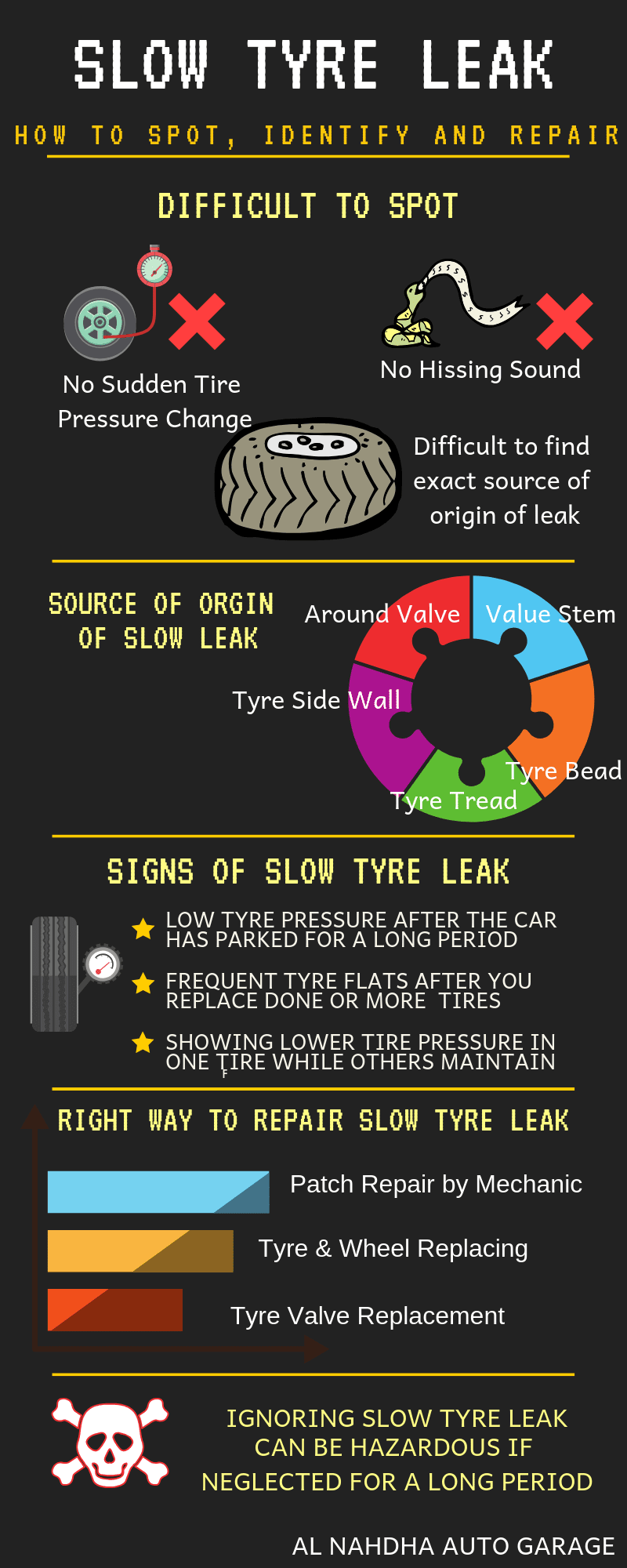
Air leaks come from a few common spots. Most are easy to confirm with a simple test. Knowing the cause helps you choose the right fix.
- Tread puncture. Nails, screws, glass, or thorns pierce the tread and cause a slow leak.
- Valve core or stem. A loose core or cracked stem leaks at the valve. TPMS stems can leak at the seal.
- Bead leak. Air escapes where the tire meets the rim. Corrosion is a frequent cause on alloy wheels.
- Rim damage. A bent or cracked rim cannot seal air well.
- Sidewall damage. Cuts, bubbles, or dry rot are unsafe and not repairable.
- Temperature swing. Cold drops pressure. About 1 psi for each 10°F change.
- Aging rubber. Old tires grow micro cracks. Air can seep out over time.
A U.S. safety report notes that underinflated tires raise crash risk and heat. That is one more reason to act now. You can learn how to find a tire leak in minutes and drive safer.

Tools and materials you need to find a tire leak
You can test with gear you likely have. Add a few low cost items to make it easy.
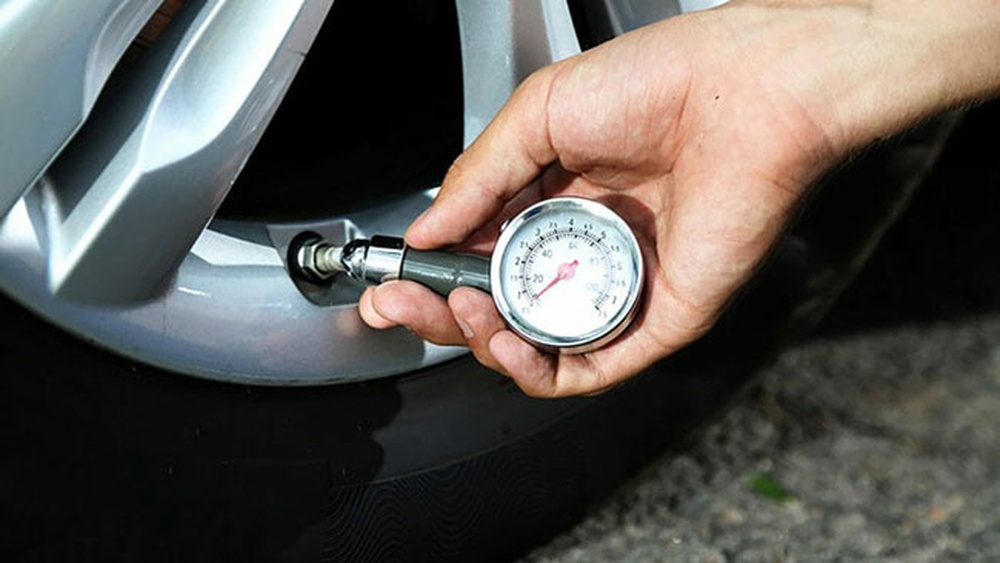
- Tire pressure gauge that reads in psi
- Spray bottle with warm water and dish soap
- Chalk or a paint pen to mark the spot
- Flashlight or phone light
- Paper towels or rags
- Small brush for soapy water
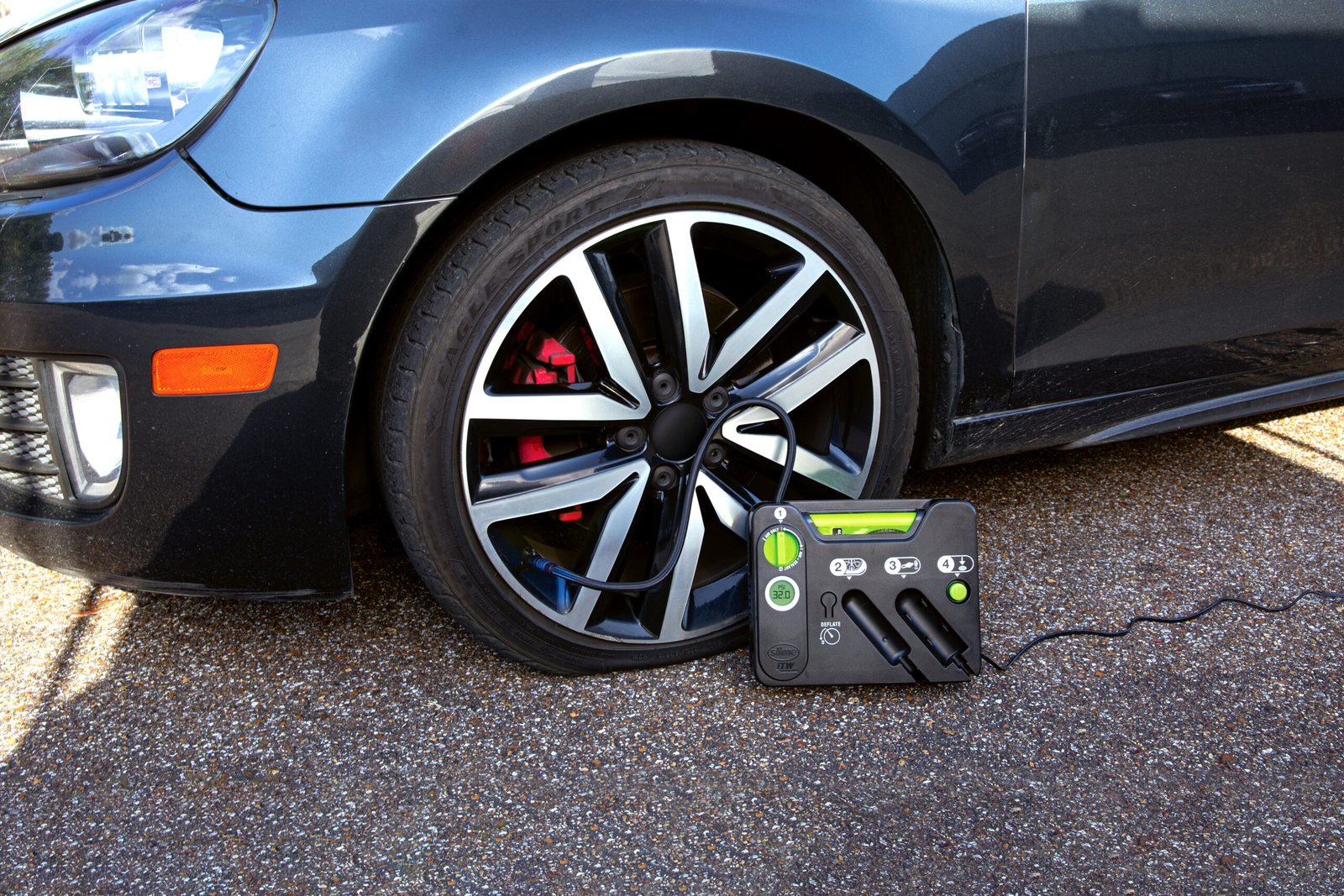
- Portable inflator or air source
- Valve core tool and spare cores
- Wheel chocks and a jack with jack stands if you must remove a wheel
- Optional: mechanic stethoscope or a length of hose to listen for leaks
- Optional: tub, kiddie pool, or dunk tank for a full submerge test
- Optional: UV dye and lamp for hard to find leaks

Safety first
Work in a safe space. A clear plan keeps you out of harm’s way.
- Park on flat ground. Set the parking brake. Chock the wheels.
- Do not crawl under a car that is only on a jack. Use stands.
- Avoid spinning the tire by hand while your fingers are near the tread.
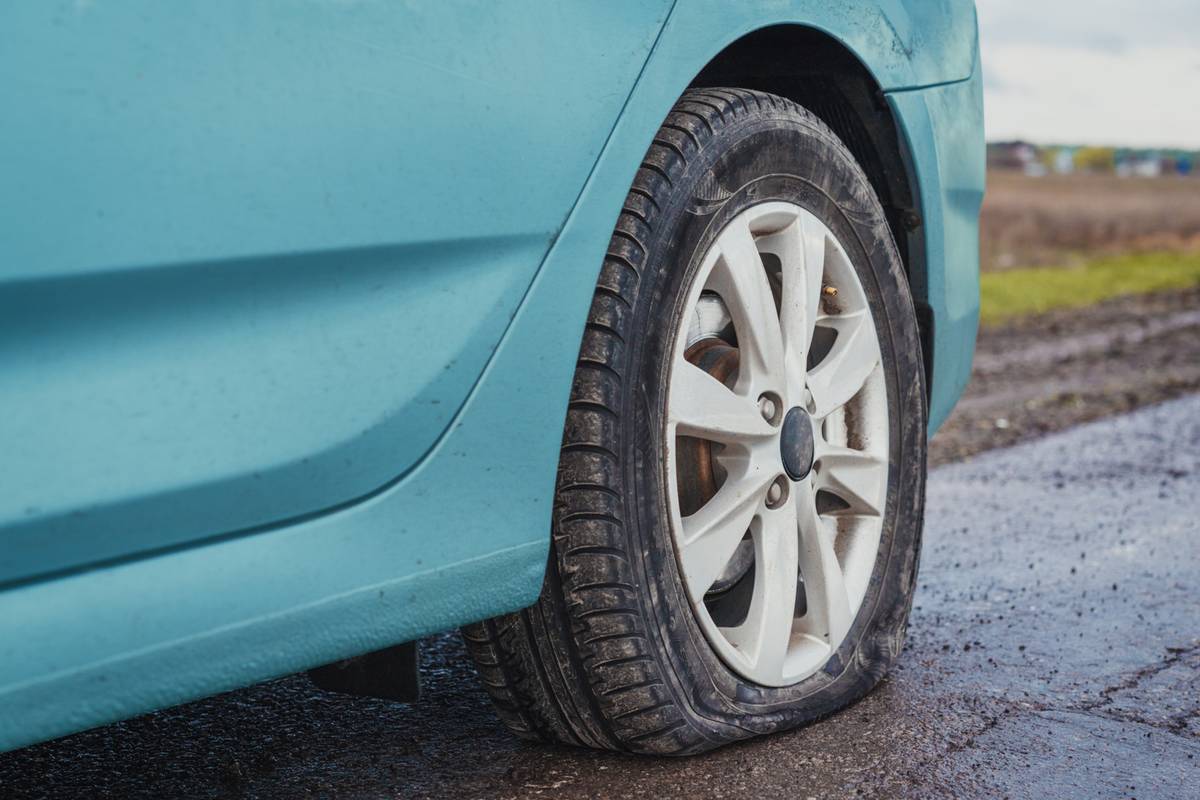
- Do not drive on a flat tire. It can damage the tire and rim fast.
- Wear eye and hand protection. Soapy water and grit can irritate skin.

Step-by-step: how to find a tire leak at home
This is the same flow I use in the bay. It is quick and it works. Follow each step to confirm the cause with clear proof.
-
Confirm the loss
Use a gauge on all tires when they are cold. Compare to the door jamb label. If one is low, note the psi. Inflate to spec so you can test under pressure. -
Look and feel
Roll the car a few feet to see all of the tread. Scan for nails, screws, cuts, or wet spots. Run a gloved hand over the tread. Mark anything sharp with chalk. -
Listen for a hiss
Move your ear close to the tread, sidewall, and valve. Use a tube or hose like a stethoscope. A faint hiss can lead you straight to the leak. -
Soap and water test
Mix a rich soap solution. Spray the tread, shoulder, sidewall, bead, valve stem, and base. Watch for steady bubbles. That is your leak. -
Check the valve core
Put a drop of soapy water right on the valve. If it bubbles, snug the core with a core tool. Do not over tighten. Re-test for bubbles. -
Inspect the bead
Spray the edge where the tire meets the rim. Look for a ring of tiny pearls or a slow foam. Corrosion at the bead is a common cause on older wheels. -
Test the TPMS area
Some TPMS stems use seals that age or crack. Spray the base and the cap area. Move the stem gently. If bubbles form, the seal may be bad. -
Dunk test for slow leaks
If you still cannot find it, pull the wheel. Submerge the tire in water. Rotate it slow. Watch for a stream of bubbles. Mark the spot. -
Mark and document
Circle the leak with chalk. Take a photo. Note the psi now and set a reminder to recheck it in an hour. This helps confirm a very slow leak. -
Check all four tires
Leaks travel in pairs. If one tire is low, the others may also be off. Repeat the steps.
Personal tip: In my garage, I find that warm soapy water works best. A thick mix clings to the rubber, so tiny bubbles show up. This one tweak helps when you ask how to find a tire leak that is very slow.

The soap and water test that pros use
Use a spray bottle set to stream for tight spots. Use a brush to lay on a thick film for beads and sidewalls. Wait at least 30 to 60 seconds. Tiny bubbles can take time to form.
The dunk test made simple
A big tub, a clean trash can, or a kiddie pool works well. Keep the wheel face up. Press down and roll the tire edge to edge. Watch the whole bead and tread.
When sound beats sight
If traffic is loud, use ear buds as makeshift plugs to cut noise. A short hose as a stethoscope can pick up faint leaks at the valve or bead.
Diagnosing special cases
Not all leaks act the same. Here is how to read the signs and choose the next step.
- Leak only when cold. Pressure drops in cold air. Add 2 to 3 psi before a freeze. Recheck in the morning.
- Leak after a car wash. Water can hide the soap test. Dry the tire first, then test again.
- Slow drop with no bubbles. The rim may be bent or porous. A dunk test or pro smoke test helps.
- Bubble on the sidewall. That is a cord break, not a leak to fix. Replace the tire.
- Old alloy wheels. White crust at the bead points to corrosion. A shop can clean and reseal.
- Recent tire work. A loose valve core or a bad TPMS seal is likely. Re-torque the core and test.
Based on shop data and field tests, most slow leaks come from punctures in the repairable tread zone or from bead corrosion. When you ask how to find a tire leak that hides for days, think bead first, then valve, then tread.
What to do after you find the leak
Your next move depends on where the air escapes. Choose the fix that lasts.
-
Tread puncture in the repair zone
Best fix is a patch plug from the inside. It seals the path and the inner liner. Many plugs alone are only a short term fix. -
Holes near the shoulder or sidewall
Do not repair. Replace the tire. It is a safety risk. -
Valve core leak
Replace the core. It costs little and takes one minute. Always retest with soap. -
Valve stem or TPMS leak
Replace the stem or service kit. A new seal and nut often stop the leak. Follow torque specs. -
Bead leak
Remove the tire. Clean the rim. Use bead sealer and remount. Balance the wheel after. -
Rim damage
Repair or replace the rim. A cracked rim is not safe to weld in many cases.
Temporary options for the road
Use a spare if you have one. A string plug can get you to a shop if the hole is in the tread and small. Liquid sealants can clog TPMS sensors and make a mess. Use them only for short, low speed drives, then tell the shop you used sealant.
Prevention and maintenance to avoid future leaks
Small habits cut flat risk and save fuel.
- Check tire pressure each week when cold. Use the door label psi, not the sidewall max.
- Use a quality cap on each valve. A cap keeps grit and water out.
- Rotate tires on schedule. Ask the shop to inspect beads and valves at each service.
- Avoid potholes and curb hits. Slow for rough roads.
- Replace old tires. Age, even with good tread, leads to leaks.
- Clean rims when you change tires. Ask for bead sealer on old alloys.
- Watch the TPMS light. Treat it as an early leak alert, not a nuisance.
A national safety study found that one in four cars has at least one underinflated tire. Make these checks a habit, and you will not need to ask how to find a tire leak as often.

Frequently Asked Questions of how to find a tire leak
How do I use soapy water to find a tire leak?
Mix dish soap with warm water. Spray all around the valve, tread, and bead. Watch for steady bubbles and mark the spot.
Can I drive with a slow tire leak?
It is risky. A slow leak can heat the tire and cause damage. Add air and get it fixed soon.
Why is my tire losing air overnight with no nail?
Cold weather drops psi. Bead or valve leaks can be very slow and hard to see. Try a dunk test to confirm.
How much air should I add before testing for leaks?
Inflate to the door label psi. A few extra psi can help reveal tiny leaks during testing.
Is tire slime a good way to find or fix leaks?
It can seal tiny holes for a short time. But it may foul TPMS sensors and makes cleanup hard. Use only in a pinch.
How to find a tire leak without water?
Listen for a hiss and feel for air on your cheek or hand. Use a length of hose as a stethoscope to pinpoint the sound.
Can a shop find leaks better than I can?
Yes. Shops can use dunk tanks, smoke, or pressure decay tests. They also have tools to fix beads, stems, and internal patches.
Conclusion
Now you know how to find a tire leak with clear steps and simple tools. Check pressure, inspect, use soapy water, and confirm with a dunk test if needed. Choose a safe repair or replace the tire when required.
Take five minutes today and test all four tires. Save fuel, protect your wheels, and drive with peace of mind. If this guide helped, share it, subscribe for more DIY tips, or leave a comment with your results.