

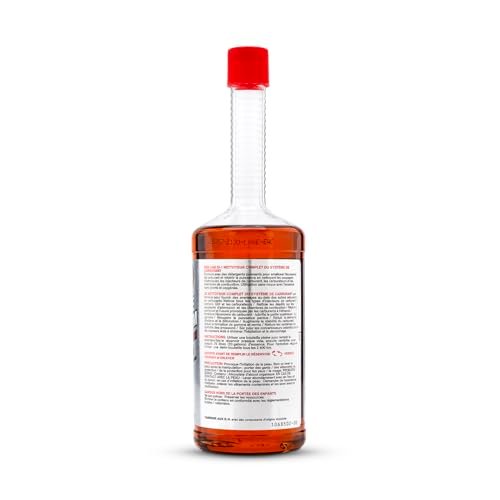
The best fuel system cleaner uses strong PEA chemistry to cut stubborn deposits fast.
You feel a rough idle. The gas pedal needs more pressure than last month. Your MPG drops, and the engine light starts to tease you. I have been there. Gunk builds up on injectors, valves, and in the combustion chamber. It steals power and wastes fuel. The right bottle can turn that around. In this guide, I break down the best fuel system cleaner options that actually work, based on proven chemistry, real-world results, and clear value for your wallet.
Red Line SI-1 Complete Fuel System Cleaner, 15 oz

Red Line SI-1 is a favorite of technicians and hard-core DIYers. It uses a high dose of polyetheramine (PEA), which is the gold standard for deposit removal. I use it when a car feels sluggish or when cold starts get rough. It helps clear injectors, dissolve intake valve carbon, and clean the combustion chamber.
What I like most is the balance of strong cleaning and added protection. It includes corrosion inhibitors and upper-cylinder lubricants. That helps protect the fuel system while it scrubs away gunk. Use it before an oil change if your engine is very dirty, since deep cleaning can load the oil with crud.
Pros:
- High-PEA formula that targets stubborn injector and valve deposits
- Noticeable smoother idle and throttle response after one tank
- Includes corrosion inhibitors for long-term system protection
- Upper-cylinder lubrication helps rings and valves move freely
- Safe for O2 sensors and catalytic converters when used as directed
- Great for gas with ethanol blends that can leave sticky films
- Helps restore MPG lost to carbon buildup
- Proven results in older engines with uneven spray patterns
- Good value for a strong, single-bottle clean
- Works on injectors, carburetors, and combustion chambers
Cons:
- Strong cleaner smell; avoid spills and ventilate while handling
- May require a second dose for very severe buildup
- Best used before an oil change on neglected engines
My Recommendation
If you want fast results from the best fuel system cleaner for tough deposits, start here. Red Line SI-1 shines when the idle is rough and the car feels lazy. It is ideal for drivers who want a deep clean and a smoother pedal in one tank. It also suits anyone in areas with heavy ethanol use or short-trip driving.
Use a full bottle in a near-empty tank, then fill up. Drive at highway speed for at least 20 minutes to let the cleaner reach hot spots. If the engine was very dirty, run a second bottle in a few weeks. This gives you a strong one-two punch and helps lock in gains.
| Best for | Why |
|---|---|
| Stubborn injector clogging | High-PEA load removes baked-on deposits fast |
| Rough idle and hesitation | Improves spray pattern and throttle response |
| Preventing corrosion | Built-in inhibitors protect lines and components |
Red Line SI-1 Fuel System Cleaner, 15 oz (2-Pack)

This two-pack is perfect if you want a strong clean now and a follow-up later. It gives you the same potent SI-1 formula with better value per bottle. I like keeping an extra on the shelf for maintenance. It saves a trip and keeps your system in good shape through the seasons.
The first bottle knocks down heavy deposits. The second keeps things from returning. That pattern works well for direct injection and high-mileage cars. It is a smart buy if you are tuning up a used car you just bought.
Pros:
- Value pack makes regular maintenance more affordable
- High-PEA cleaner for deep injector and valve cleaning
- Ideal for a two-step plan: restore, then maintain
- Helps stabilize idle quality over months of driving
- Useful for DI engines that build valve carbon faster
- Preps fuel system before emissions tests or long trips
- Adds corrosion protection during seasonal storage
- Easy dosing: one bottle per tank per label
- Pairs well with high-quality fuel for best results
- Safe for most modern emissions systems
Cons:
- Upfront cost is higher than a single bottle
- May tempt overuse; stick to label directions
- Not a replacement for mechanical walnut blasting on DI valves
My Recommendation
Choose this two-pack if you want the best fuel system cleaner strategy for both now and later. Use one bottle for a full clean, then use the second bottle in 3,000 to 5,000 miles. This plan is great for drivers who notice MPG swings across seasons. It also suits anyone who runs short trips and wants to keep injectors clear.
I suggest a bottle before your next oil change, and one near the start of winter or summer. This supports smooth starts and better fuel economy year-round. The two-pack keeps your engine in the sweet spot with less guesswork.
| Best for | Why |
|---|---|
| Maintenance schedule | Two bottles support a restore-and-hold routine |
| Used-car tune-ups | First bottle cleans, second locks in gains |
| Direct-injected engines | More frequent cleanings help prevent rough idle |
Chevron Techron Concentrate Plus, 12 oz (6-Pack)
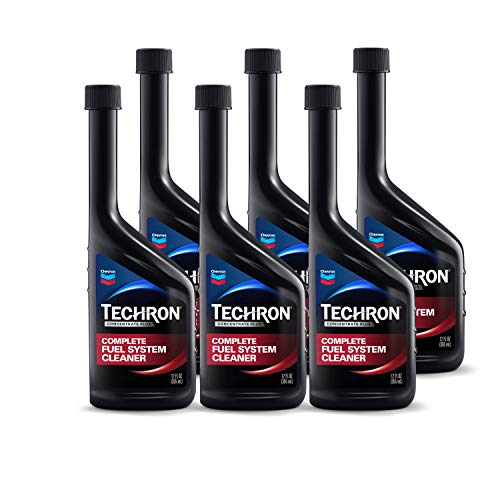
Chevron Techron Concentrate Plus is a household name in fuel cleaners. It also uses PEA, which is known for deep, stable cleaning. The 12 oz size is easy to dose, and the six-pack is perfect for a year-round plan. I like it for families with more than one car.
Techron is famous for smoothing idle, restoring MPG, and easing cold starts. It helps keep injectors, intake valves, and combustion chambers cleaner. I have seen better throttle response within a tank on cars with mild hesitation. The six-pack makes it easy to treat every oil change or season change.
Pros:
- PEA-based formula with a long track record
- Six-pack value for multi-car households or fleets
- 12 oz bottle is simple to add and dose
- Improves idle quality and tip-in response
- Helps recover lost MPG from light deposit buildup
- Safe for O2 sensors and catalytic converters as directed
- Helps with ethanol and moisture-related gumming
- Good preventive care when used every few thousand miles
- Reliable results across diverse engine types
- Backed by strong brand R&D and OEM trust
Cons:
- 12 oz bottle may be small for large tanks without adjusting dose
- Deep, heavy deposits may need a second treatment
- Six-pack price is higher upfront
My Recommendation
Pick this six-pack if you plan to keep cars on a regular schedule with the best fuel system cleaner. It is great for people who like set-and-forget routines. Use one bottle per oil change, or every 3,000 to 5,000 miles. It is also solid for ride-share drivers and commuters who clock many miles.
For SUVs or trucks with large tanks, consider using two 12 oz bottles if the label supports it. Stagger bottles across months to keep deposits from returning. The six-pack makes that simple and cost-effective over time.
| Best for | Why |
|---|---|
| Households with multiple cars | Bulk pack supports each car’s maintenance cycle |
| High-mile drivers | Regular use keeps injectors and valves cleaner |
| Budget planning | Lower cost per bottle over the year |
Chevron Techron Concentrate Plus, 20 oz

The 20 oz Techron Concentrate Plus is ideal for larger tanks or a stronger initial clean. It still delivers the same PEA punch that Techron is known for. I reach for the 20 oz bottle on SUVs, trucks, or crossovers. It is a good one-and-done treatment for bigger fuel systems.
Results are steady and predictable. Expect better idle stability, smoother acceleration, and cleaner combustion. If you use top-tier gas and drive often, it can keep things in line with fewer add-ins. It is a smart middle ground between power and convenience.
Pros:
- PEA-based cleaning that targets injectors and valves
- 20 oz size suits larger tanks without guesswork
- Helps clear hesitation and mid-range stumble
- Supports MPG recovery after heavy city driving
- Reputable, tested formula safe for modern systems
- Good pick for seasonal deep cleans
- Pairs well with long highway drives for best effect
- Simple to use with clear dosing
- Trusted by many service shops
- Consistent results in older engines
Cons:
- Costs more than smaller 12 oz size
- Might be overkill for compact cars with small tanks
- Very heavy carbon may need repeat use
My Recommendation
Go with this 20 oz bottle if you drive a truck, SUV, or anything with a big tank, and want the best fuel system cleaner effect in one go. It offers the right mix of volume and punch. It also works well if you plan only two treatments a year. You get a deep clean without juggling smaller bottles.
Add it to a low tank, fill up, and take a steady freeway drive. That heat and time help the PEA do its best work. If the engine was neglected, run a second bottle a month later to finish the job.
| Best for | Why |
|---|---|
| Large fuel tanks | Right-sized dose for full-system coverage |
| Seasonal deep cleaning | Stronger one-shot clean than smaller bottles |
| Highway commuters | PEA works best with heat and steady run time |
Chevron Techron High Mileage, 12 oz

Techron High Mileage targets cars with 75,000+ miles. It brings the same PEA cleaner, tuned for older systems. I recommend it when fuel trims drift and idle gets iffy as engines age. It helps refresh spray patterns and can soften old gum in lines and rails.
Older engines benefit from careful, steady cleaning. This formula supports that while staying sensor-safe. You may feel smoother starts and improved low-speed drive. It pairs well with a fresh air filter and spark plugs during a tune-up.
Pros:
- Designed for vehicles with 75,000+ miles
- PEA-based cleaning with a high-mile focus
- Helps stabilize idle in aging engines
- Good for cars with mixed driving history
- Safe for emissions equipment as directed
- Supports MPG recovery in city-driven vehicles
- Useful as part of a complete tune-up
- Works across many fuel qualities and climates
- Simple one-bottle treatment per tank
- Trusted brand with strong testing background
Cons:
- 12 oz may require careful dosing on large tanks
- Very thick carbon may need another pass
- Not a cure for mechanical injector failure
My Recommendation
If your odometer has rolled past 75,000, this is the best fuel system cleaner style to reach for first. It is tuned for the problems that creep up with age. Use it when your idle wanders, or the car feels flat off the line. It is a gentle but effective path back to a smooth drive.
Combine it with other high-mile basics. Replace dirty filters, check plugs, and inspect vacuum lines. This one-bottle clean can be the final touch that ties it all together.
| Best for | Why |
|---|---|
| 75,000+ mile engines | Targets aging system deposits and gum |
| Wandering idle | Helps even out injector flow rates |
| City-driven cars | Addresses stop-and-go deposit buildup |
FAQs Of best fuel system cleaner
How often should I use a fuel system cleaner?
For most drivers, use the best fuel system cleaner every 3,000 to 5,000 miles. Use it sooner if the idle gets rough or MPG drops. Follow the bottle’s directions for dosing.
Will a fuel system cleaner fix rough idle and poor MPG?
Often, yes. If deposits cause the issue, PEA cleaners can help. If parts are worn or failed, you may still need repairs.
Is it safe for catalytic converters and O2 sensors?
Top brands are safe when used as directed. Do not overdose. Stick to the label to protect sensors and catalysts.
Should I add it to a full tank or near empty?
Add to a low tank, then fill up. This mixes the cleaner well. Drive at highway speeds to help it work.
What is PEA and why does it matter?
PEA, or polyetheramine, is a strong detergent for carbon. It stays stable at high heat. It is key to the best fuel system cleaner results.
Final Verdict: Which Should You Buy?
Red Line SI-1 is my top pick for fast, deep cleaning and value. It delivers strong PEA chemistry, smooths idle, and restores response.
If you prefer Techron, the 20 oz bottle is great for big tanks. Either way, use the best fuel system cleaner on schedule to keep your engine sharp and your MPG strong.