
Most tires lose air from punctures, valve faults, rim leaks, or temperature swings.
If you’re wondering why does my tire keep losing air, you’re in the right place. I’ve spent years diagnosing slow leaks in shops and on the roadside, and I’ll show you every likely cause, how to confirm it, and the right fix. We’ll cover fast checks you can do at home, expert repair options, and simple habits that stop leaks before they start. Stick with me to protect your tires, your wallet, and your safety.

The short answer: normal loss vs a real leak
When drivers ask why does my tire keep losing air, I start with two truths. First, a small pressure drop is normal. Air slowly passes through rubber over time. Many tires lose 1 to 3 psi per month even with no damage. Second, bigger or frequent drops point to a leak you can find and fix.
Temperature matters too. Pressure changes about 1 psi for every 10°F shift. A cold snap can make a healthy tire look low. If pressure keeps falling in stable weather, you likely have a leak.
Quick first checks you can do today:
- Verify the recommended psi on the driver door placard, not the sidewall.
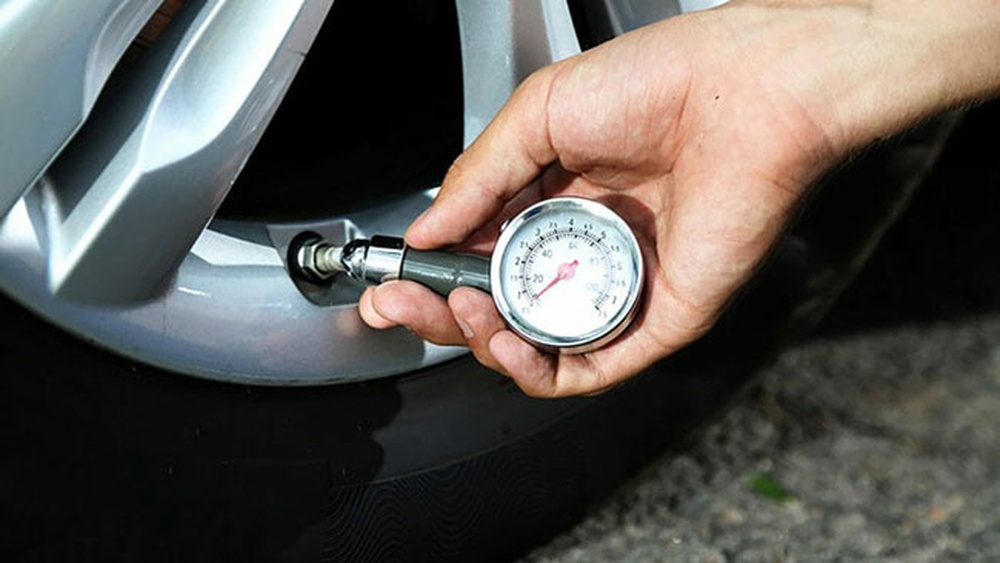
- Use a quality gauge. Cheap gauges can be off by several psi.
- Top off, note the number, and recheck in 24 hours and again in a week.
If the same tire loses more than 2 psi in a day, schedule a repair.
Common causes of persistent air loss
If you keep asking why does my tire keep losing air, one of these is usually to blame.
Punctures and road debris
- Nails, screws, or glass in the tread cause slow leaks.
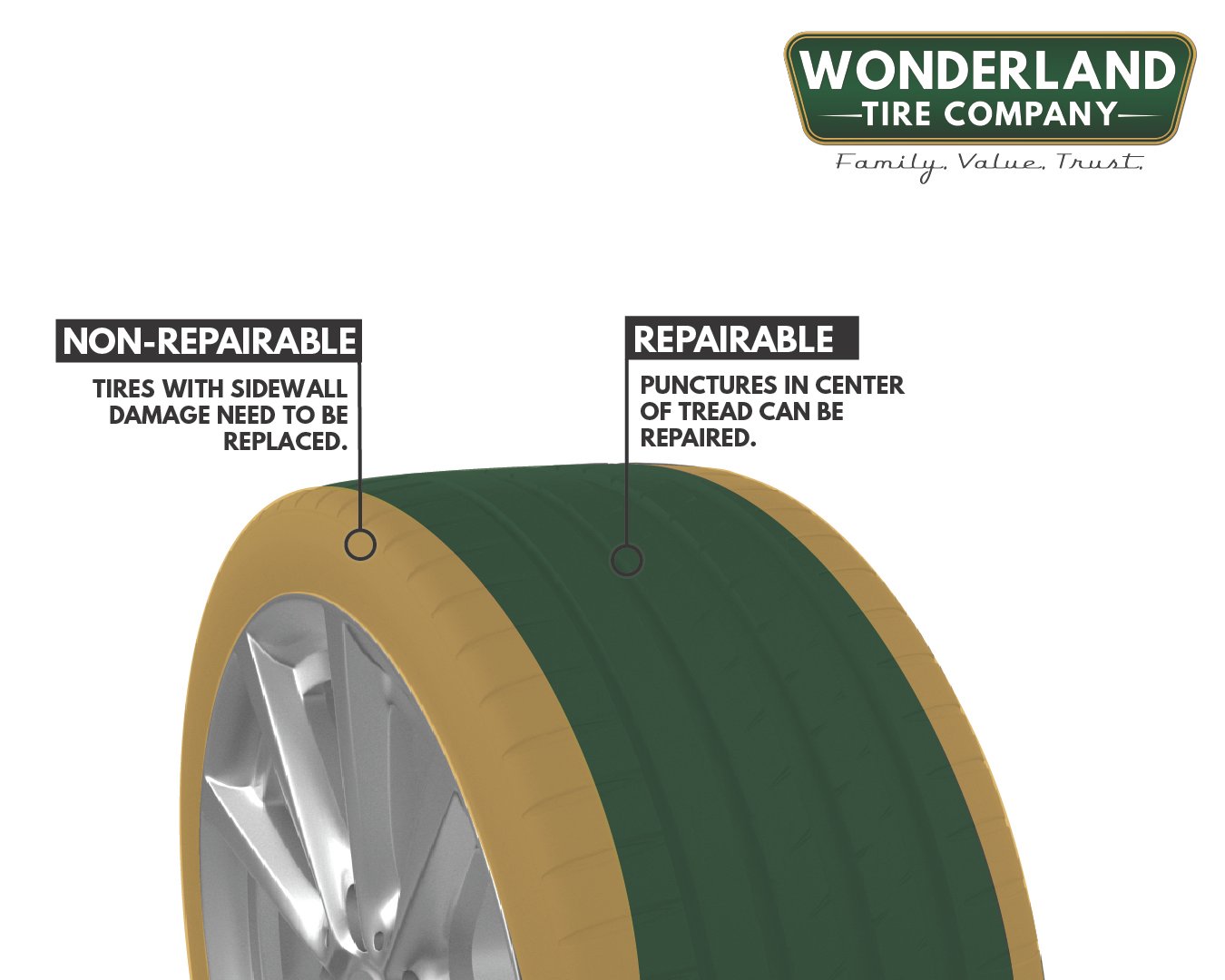
- A puncture near or in the sidewall is not repairable and needs a new tire.
What to do: Ask for a proper plug-patch from the inside. It seals the injury and the inner liner. Simple plugs alone are a short-term fix at best.
Valve core and stem problems
- Loose or damaged valve cores hiss under soapy water.
- Aged rubber valve stems crack and leak, especially after heat and sun.
What to do: Tighten or replace the core. Replace rubber stems when you change tires. Metal TPMS stems need new seals and grommets when serviced.
Bead leaks and rim corrosion
- Air escapes where the tire meets the wheel if there’s dirt, old bead lube, or corrosion.
- Alloy wheels often corrode at the bead in salty climates.
What to do: Dis-mount, clean the bead and rim, remove corrosion, and reseal. Shops may use bead sealer on stubborn rims.
Bent or cracked wheels
- Potholes and curbs can bend a lip or cause hairline cracks.
- A bent lip often shows bubbles at the bead in a soap test.
What to do: Repair or replace the wheel. A crack near a spoke or hub is a safety risk and should be replaced.
Aging tires and inner-liner damage
- Dry rot, ozone cracks, and heat degrade rubber and speed up air loss.
- Previous run-flat events on a standard tire can scuff the inner liner and cause leaks.
What to do: Replace tires with visible cracking or those over 6 to 10 years old, depending on maker guidance and condition.
TPMS service kit leaks
- Worn TPMS grommets, seals, or valve caps allow slow seepage.
- Over-tightened or corroded TPMS stems can also leak.
What to do: Install the correct service kit when tires are changed or every time the stem is disturbed.
Poor or old repairs
- A rope plug from the outside may weep under heat or high speed.
- Large or angled punctures need an inside patch-plug, not a simple plug.
What to do: Ask the shop to remove the tire and inspect from the inside. Re-repair with a patch-plug if safe, or replace the tire.
Across thousands of inspections, these faults explained most cases of why does my tire keep losing air in my bays.

How to diagnose a slow leak at home
Before a shop visit, you can gather clues. This speeds the fix and saves money, especially when you say why does my tire keep losing air and can point to a spot.
Tools:
- Tire gauge you trust
- Spray bottle with dish soap and water
- Flashlight and paper towels
Steps:
- Inspect the tread and sidewall. Look for shiny metal, cuts, or bubbles. Do not pull a nail you plan to repair; it may leak faster.
- Check the valve. Remove the cap, add a drop of soapy water. Bubbles mean a loose or bad core.
- Spray the tread. Jack the car safely or roll the tire to see all of it. Bubbles mark the leak.
- Spray the bead and rim. Look for fine foam where the tire meets the wheel and around the stem base.
- Log pressure. Inflate to spec, note psi, recheck in 24 hours. Repeat in a week.
- If you see a sidewall bulge or cut, do not drive. Replace the tire.
- If pressure drops below 20 psi, heat builds fast and can damage the tire. Add air before driving.
This simple routine solves the “where” behind why does my tire keep losing air most of the time.

Weather, loads, and driving habits that speed up leaks
Even healthy tires act different in heat, cold, and heavy use. Many drivers ask why does my tire keep losing air right after a season change.
- Temperature swings: Expect about 1 psi drop for each 10°F fall. Garage-kept cars lose less overnight.
- Heavy loads and towing: Extra weight flexes the sidewall and can open small bead leaks.
- Impacts and curbs: One sharp hit can bend a wheel or unseat a bead enough to start a slow leak.
- Long sits: Weeks without driving can let a bead dry, small flats form, and seals weaken.
- Highway heat: High speed increases tire temperature. A marginal plug or valve can start to seep.
Tip: Set pressure first thing in the morning when tires are cold. Hot tires read higher. If you level-set cold, you’ll see real trends, not noise.

Repair or replace: choosing the right fix
If you’re still wondering why does my tire keep losing air after topping off, decide on a safe, lasting fix.
When a repair is safe:
- The puncture is in the repairable tread area.
- The hole is small, usually up to 1/4 inch, and not a gash or tear.
- The tire has enough tread life left and no inner-liner damage.
Best practice: A combination patch-plug from the inside. It seals the injury path and the liner. It beats an external plug for long-term safety.
When to replace:
- Any sidewall or shoulder injury
- Multiple close punctures or large damage
- Severe dry rot, exposed cords, or run-flat damage on a standard tire
Costs and time:
- Valve core or stem service: often low cost and quick
- Proper patch-plug: usually done in under an hour
- Wheel repair for bends: may take a day and varies by severity
Pro tip from the service lane: Tell the advisor, “why does my tire keep losing air” and share your pressure log. Clear data helps the tech find it fast and fix it right.

Prevention and a simple maintenance checklist
Once you solve why does my tire keep losing air, lock in good habits to stop it from coming back.
Weekly or monthly:
- Check pressures cold with a good gauge. Keep a note in your phone.
- Look for nails, cuts, or odd wear.
- Verify caps are on and stems look straight and crack-free.
At each tire service:
- Ask for valve stems on non-TPMS wheels and TPMS service kits on TPMS wheels.
- Request bead cleaning on corroded rims.
- Balance and rotate to even out stress on beads and tread.
Driving habits:
- Avoid curbs and potholes when you can.
- Slow for speed bumps. Impacts shake valves and beads.
Seasonal steps:
- Recheck pressures with big temperature swings.
- Clean wheel lips if you swap winter and summer sets.
Extras:
- Nitrogen can slow permeation a bit, but it won’t fix a leak.
- Use tire sealants only as an emergency. They can gum up TPMS sensors and hide real damage.
- Follow the door placard psi, not the number on the sidewall. The sidewall shows a max, not your target.
Practice these and the question why does my tire keep losing air will fade from your life.

Frequently Asked Questions of why does my tire keep losing air
Is it normal to lose a little air each month?
Yes. Most tires lose 1 to 3 psi per month due to natural permeation. Large or fast drops point to a leak that needs repair.
Can cold weather make my tire look flat?
Yes. Expect about 1 psi loss for every 10°F temperature drop. If it stays low in stable weather, check for leaks.
Are plugs safe, or do I need a patch?
A plug alone is a short-term fix. The safe, long-term repair is a patch-plug from the inside after a proper inspection.
Why does my tire keep losing air after a new tire install?
Likely a bead seal, valve stem, or TPMS service issue. Ask the shop to check the bead area, stem torque, and seals with a soap test.
Can a bent wheel cause a slow leak?
Yes. A bent rim can open a small gap at the bead and leak under load. Wheel repair or replacement fixes the root cause.
How can I tell if the valve core is leaking?
Remove the cap and add a drop of soapy water to the valve. Steady bubbles mean the core is loose or damaged and should be tightened or replaced.
Why does my tire keep losing air but I can’t find a nail?
Hidden causes include bead leaks, valve core seepage, TPMS grommet leaks, or tiny tread punctures. A shop soap test and internal inspection can confirm it.
Conclusion
Tires lose air for just a few reasons: punctures, valve or TPMS leaks, bead and rim problems, or big swings in temperature. With a gauge, some soapy water, and a plan, you can pinpoint the cause, choose a safe repair, and stop the cycle. Keep simple habits, log your pressures, and ask for proper inside repairs when needed.
Take five minutes today to check all four tires cold and note the numbers. If one keeps dropping, book a repair and drive with confidence. Want more practical car care guides? Subscribe, share your results, or drop a question in the comments.