
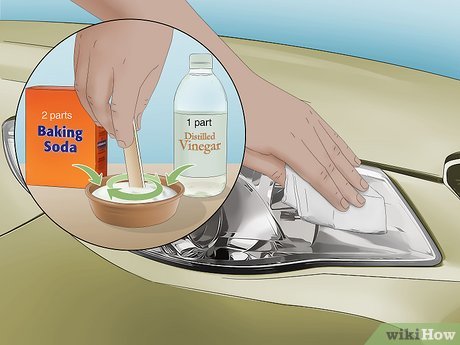
Cleaning foggy headlights with vinegar works by using mild acidic properties to dissolve grime, oxidation, and surface debris.
Having spent years maintaining my own vehicles, I have learned that headlight clarity is not just about aesthetics—it is a critical safety requirement. Over time, UV exposure and road pollutants degrade the factory-applied protective coating on your plastic lenses, leading to the dreaded yellow haze. While professional restoration kits are available, learning how to clean foggy headlights with vinegar is an accessible, eco-friendly, and cost-effective method for any car owner. In this guide, I will share my proven techniques for restoring your visibility and ensuring your vehicle looks sharp on the road.

Understanding Why Headlights Get Foggy
The cloudiness you see on your car lenses is typically caused by polycarbonate oxidation. Most modern headlights are made of clear plastic that features a protective UV-resistant layer. When this layer wears thin, the plastic reacts with the sun and environmental contaminants, turning yellow or opaque.
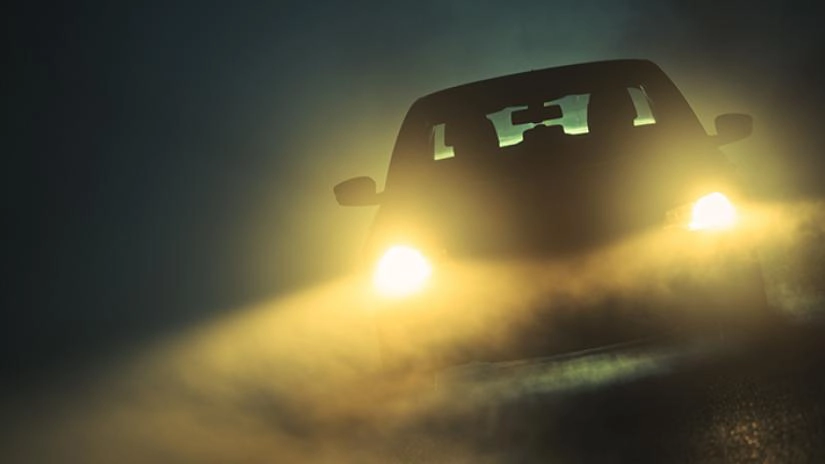
I have found that ignoring this oxidation does more than dull your car’s appearance. It significantly reduces light output, making night driving dangerous. When you decide to clean foggy headlights with vinegar, you are essentially removing the top layer of oxidized plastic to reveal the clearer surface underneath.
How to Prepare Your Vinegar Solution
When I first experimented with this method, I learned that the secret is in the mixture. You do not need harsh chemicals to achieve a clear shine. Using a simple solution of distilled white vinegar and water creates a gentle cleaner that cuts through surface grime without damaging the surrounding paint.
Follow these steps to mix your cleaning agent:
- Combine one part white vinegar with two parts warm water in a spray bottle.
- Add a tiny drop of mild dish soap to help break down stubborn road oils.
- Shake the bottle gently to ensure the ingredients are fully incorporated.
The Step by Step Process to Restore Clarity
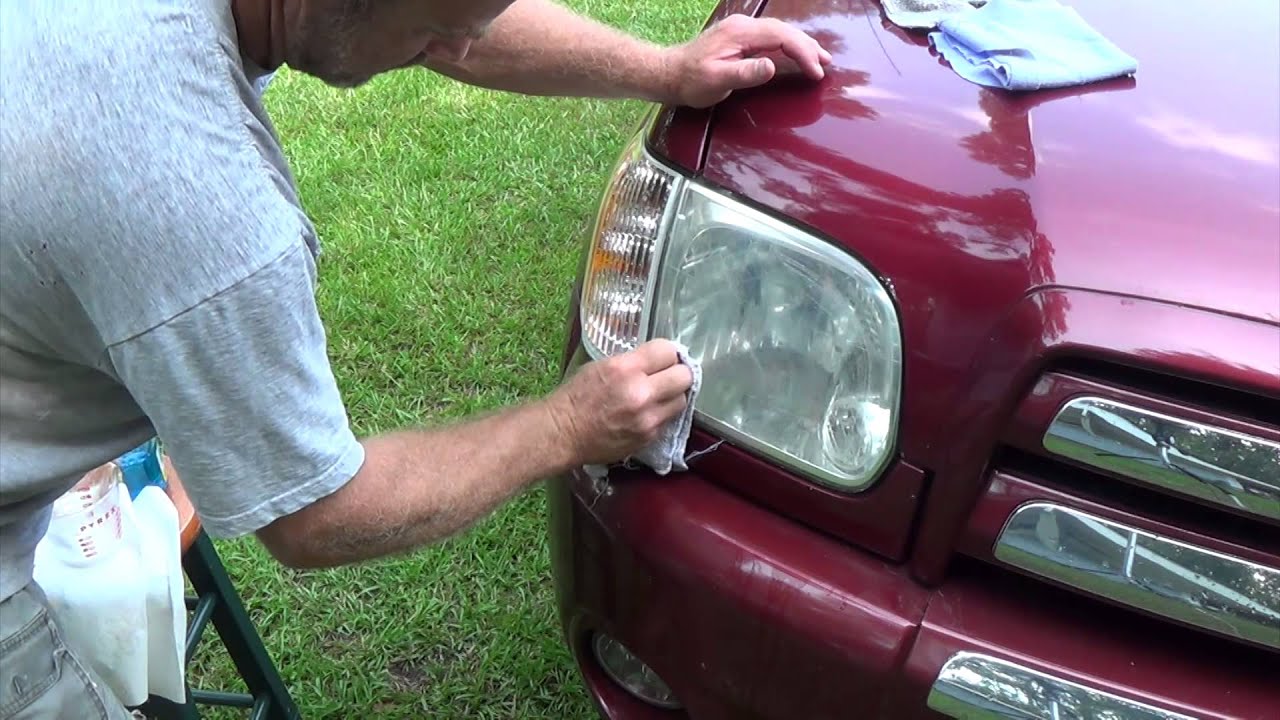
Restoring your lenses requires a bit of patience and the right technique. I always recommend working in the shade to prevent the solution from drying too quickly. Start by cleaning the headlight with plain water to remove loose dust, which prevents scratching the surface during the scrubbing process.
Use this method for the best results:
- Spray the vinegar solution generously over the entire headlight lens.
- Allow the mixture to sit for three to five minutes so the acid can penetrate the oxidation.
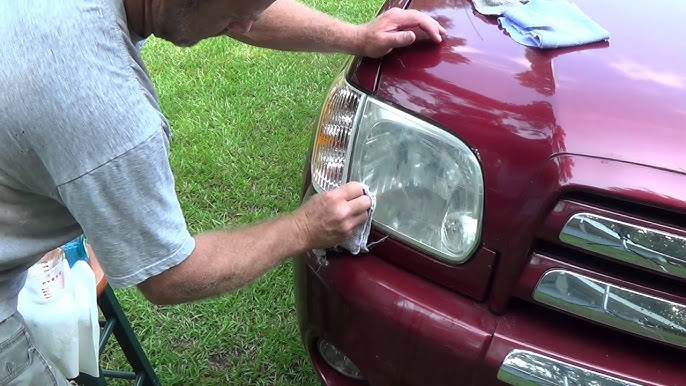
- Use a soft microfiber cloth to scrub the lens in circular motions.
- Rinse thoroughly with clean water and dry with a fresh cloth to inspect your progress.
Limitations of Vinegar Cleaning
While I advocate for natural cleaning methods, it is important to be realistic about results. Vinegar is excellent for light surface haze, but it may not fully remove deep, heavy oxidation that has penetrated the plastic for years. If the fog is on the inside of the lens, external cleaning will not solve the problem.
If you find that vinegar cleaning does not yield perfect results, consider that the damage might require mechanical polishing or a specialized sealant. Always apply a quality wax or dedicated UV sealant after you finish your work to protect the lens from future degradation.
Frequently Asked Questions of how to clean foggy headlights with vinegar
Can vinegar damage the paint on my car?
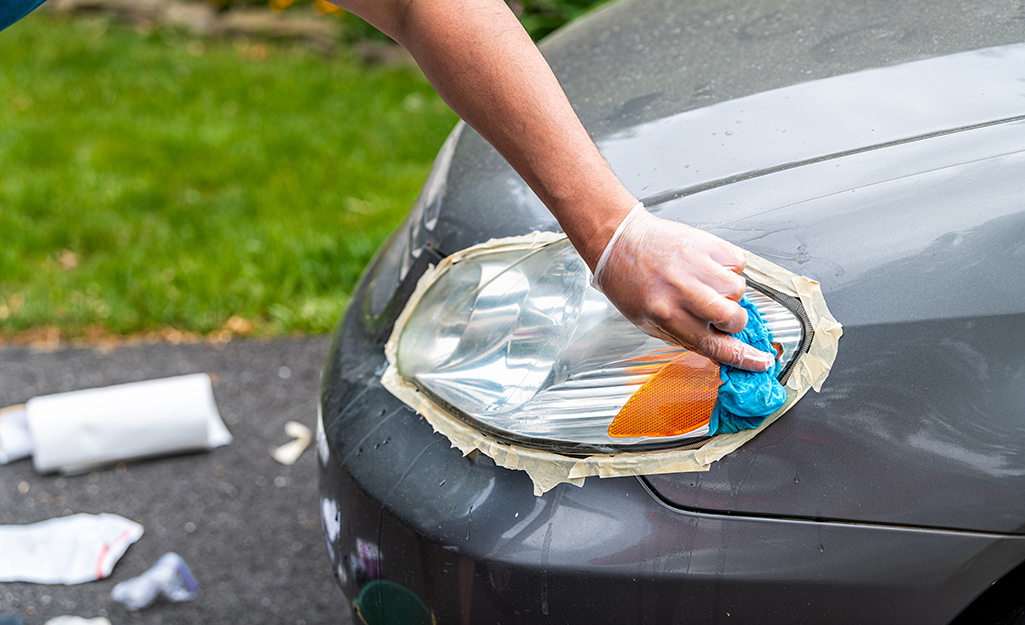
Vinegar is mildly acidic, so it should not damage your paint if you rinse it off promptly with water. I always recommend taping off the surrounding paint with masking tape just to be safe.
How often should I clean my headlights with vinegar?
You can safely perform this cleaning process every few months as part of your regular car maintenance routine. Consistency is the best way to prevent long-term buildup and keep your visibility optimal.
Will this method fix deep cracks in the plastic?
No, cleaning with vinegar only addresses surface-level oxidation and grime. If your headlights have deep cracks or internal condensation, you may need a professional repair or a replacement lens.
Do I need to use special vinegar for this?
Standard distilled white vinegar found in your kitchen works perfectly for this task. Avoid using apple cider or balsamic vinegars, as they contain sugars and pigments that could leave a sticky residue.
Is it necessary to polish the lens after using vinegar?
While not strictly required, I highly recommend applying a UV-blocking wax or sealant after cleaning. This step provides the protection your headlights lost and helps maintain their clarity for a longer period.
Conclusion
Restoring your headlights is one of the most rewarding DIY projects for any vehicle owner. By understanding how to clean foggy headlights with vinegar, you save money while significantly improving your night-time driving safety. Start by testing this method on your own vehicle this weekend, and you will likely be surprised by how much light you have been missing. If you found these tips helpful, please share this guide with a friend or leave a comment below about your own car care success stories.