
A dead car battery usually happens at the worst possible moment, often due to preventable neglect or extreme weather. Most batteries last between 3 and 5 years, but their lifespan depends entirely on how you manage the charging cycle and terminal cleanliness. By implementing a few basic maintenance habits, you can avoid the stress of jump-starting your vehicle in a parking lot.
Preventing a dead car battery requires maintaining a charge above 12.4 volts and keeping terminals free of acid buildup. This involves regular driving cycles of at least 20 minutes, using a smart trickle charger during long periods of inactivity, and cleaning corrosion with a mixture of baking soda and water.
Key Takeaways
- Check voltage levels. Use a multimeter to ensure your battery stays above 12.4 volts when the engine is off.
- Clean terminals monthly. Remove white powdery corrosion to ensure a strong electrical connection between the battery and alternator.
- Drive regularly. A 20-minute drive every week prevents the battery from naturally discharging during storage.
- Use smart chargers. A trickle charger maintains a float charge without overcharging the cells during long-term parking.
- Monitor interior lights. Ensure all dome lights and accessory plugs are off to prevent “parasitic draw” overnight.
- Insulate in winter. Use a battery blanket or foam cover to prevent cold temperatures from slowing chemical reactions.
How to Prevent a Dead Car Battery With Regular Checks
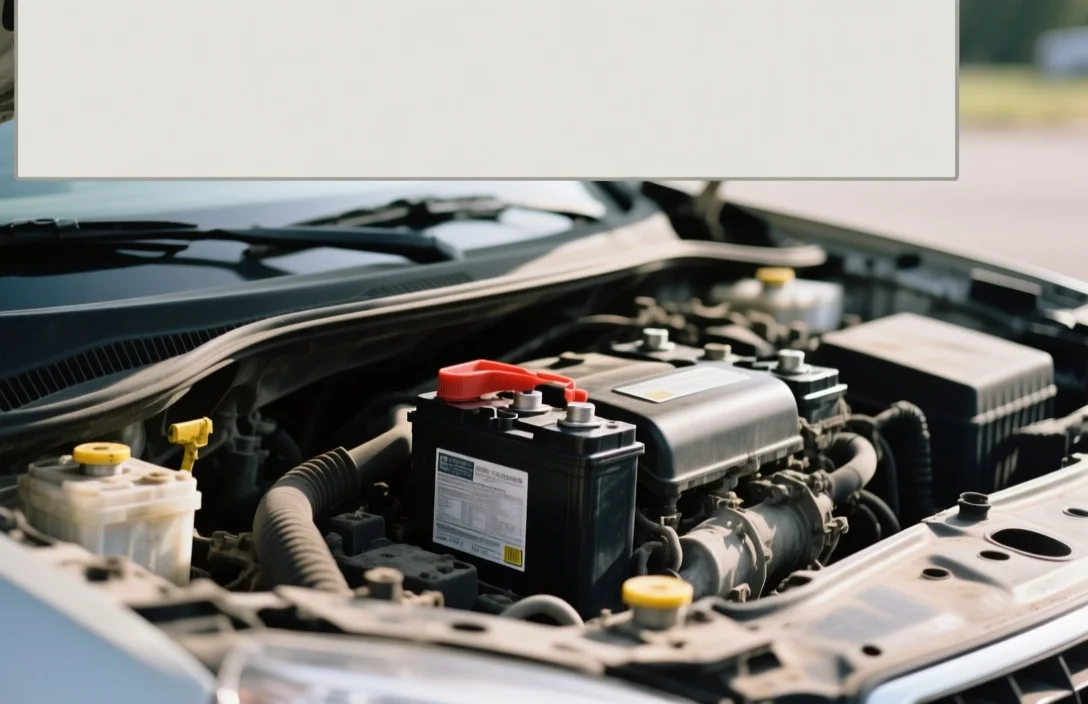
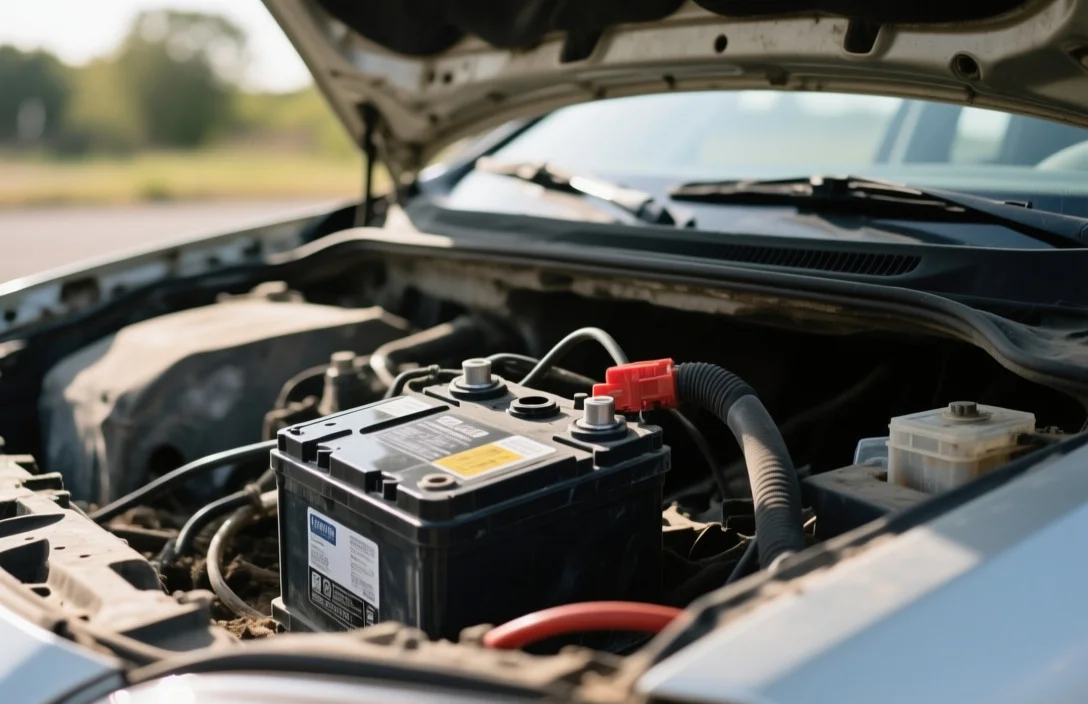
Visual inspections are the fastest way to spot a failing battery before it leaves you stranded. Check the battery case for bulging or leaking fluid, as a swollen case indicates the battery has been overcharged or exposed to extreme heat, which permanently damages the internal plates.
Look for the built-in hydrometer or “eye” on some battery tops. A green indicator usually means the battery is healthy, while black or clear signals that the charge is low or the fluid level is insufficient. If your car has removable caps, check that the electrolyte fluid covers the lead plates; add distilled water if the levels are low.
Set a recurring calendar reminder to check your battery every 30 days. This consistency allows you to notice a slow decline in cranking power – that slight hesitation when you turn the key – which is the primary warning sign that your battery is nearing the end of its life.
Cleaning Battery Terminals to Stop Corrosion
Corrosion appears as a white, ashy powder around the battery posts and inhibits the flow of electricity. This buildup happens when hydrogen gas escapes the battery and reacts with the metal terminals, creating a resistive layer that prevents the alternator from fully charging the battery.
To clean the terminals, start by disconnecting the negative (black) cable first to avoid electrical shorts. Mix a tablespoon of baking soda into a cup of water and apply it to the corrosion with an old toothbrush or a wire brush. The baking soda neutralizes the acid, causing the corrosion to bubble and dissolve.
Once the terminals are scrubbed clean, rinse them with a small amount of water and dry them thoroughly with a rag. Apply a thin layer of petroleum jelly or a dedicated terminal protector spray to the posts before reconnecting the cables. This creates a moisture barrier that slows the return of oxidation.
Using a Trickle Charger for Long Term Storage
Batteries naturally lose their charge over time through a process called self-discharge, even when the car is completely off. If a vehicle sits for more than two weeks, the voltage can drop below the threshold needed to engage the starter motor.
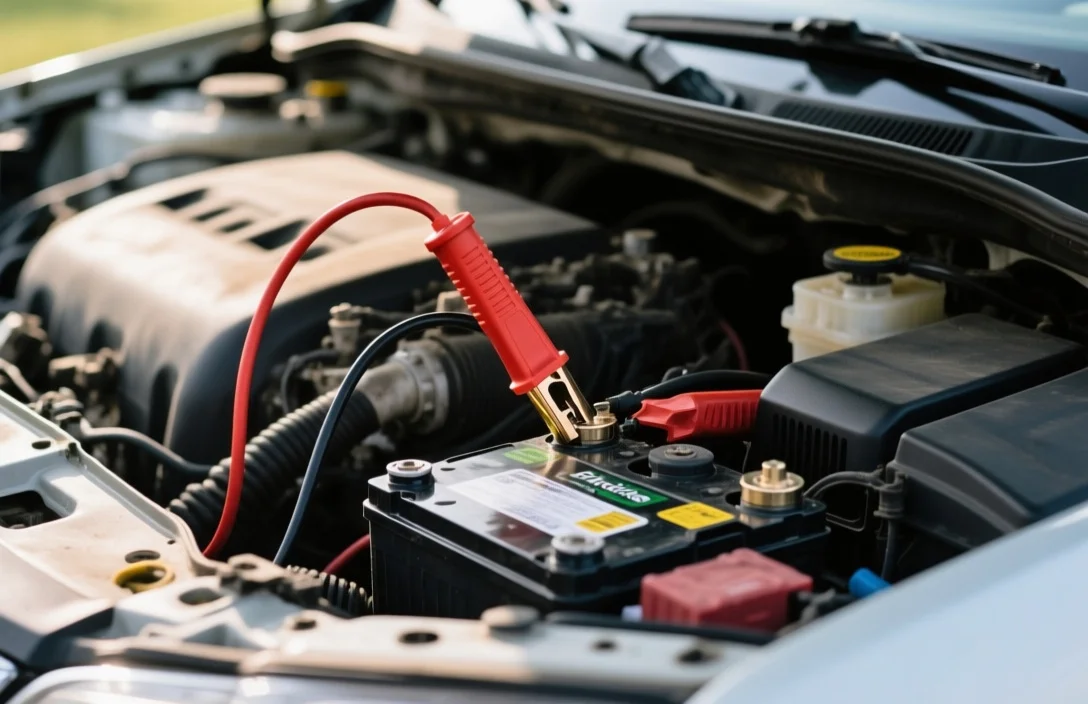
A smart trickle charger (or battery maintainer) is the best tool for this scenario because it monitors the battery voltage. Unlike a standard charger that pushes current until the battery is full and then stops, a maintainer switches to a “float” mode. This provides a tiny, precise amount of current that offsets self-discharge without boiling the electrolyte.
For the best results, connect the charger to the battery while the engine is off. Always connect the positive (red) clamp first, then the negative (black) clamp. If your car has remote terminals under the hood, use those instead of reaching into the cabin to access the battery.
Managing Interior Lights and Accessories
Parasitic draw occurs when an electrical component continues to pull power from the battery while the ignition is off. A single forgotten dome light or a cheap USB charger left plugged into a 12V socket can drain a healthy battery in 48 to 72 hours.
Modern cars have “sleep modes” where the onboard computers power down after a few minutes. However, aftermarket accessories like dash cams, security systems, or remote starters can bypass these timers. If you have installed any non-factory electronics, check if they have a low-voltage cutoff switch that automatically kills power when the battery hits 11.8 volts.
Check your door latches and trunk seals to ensure they are closing completely. A door that is “almost” closed may keep the interior lights on or prevent the car’s computer from entering sleep mode, leading to a dead battery by morning.
Protecting Your Battery From Extreme Temperatures
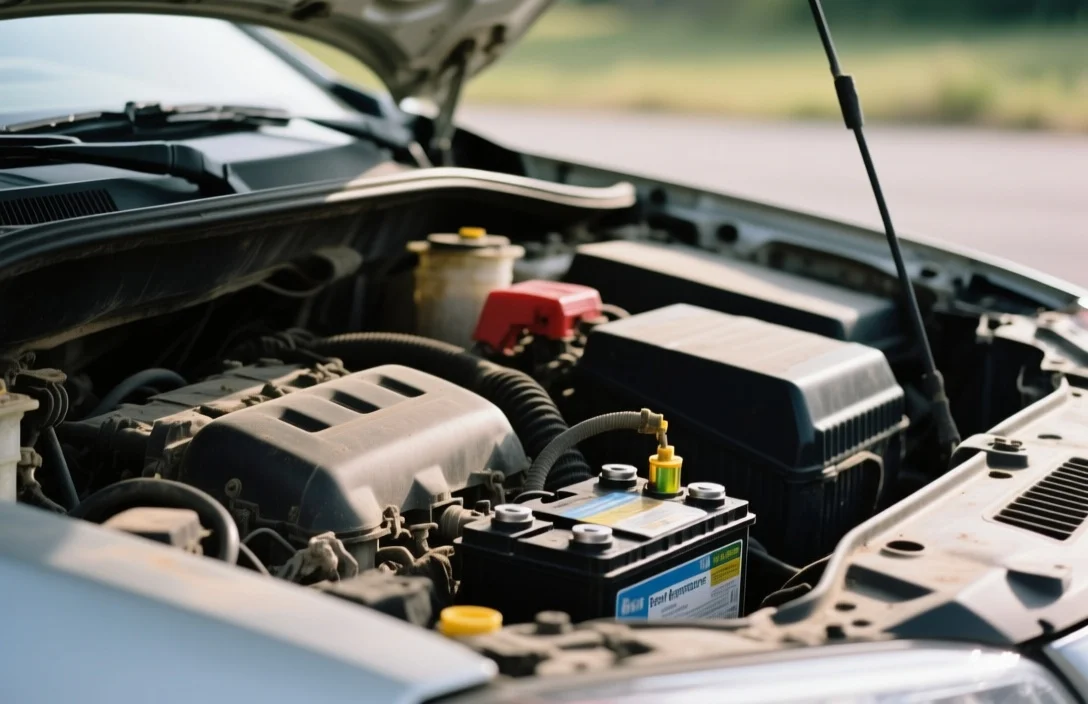
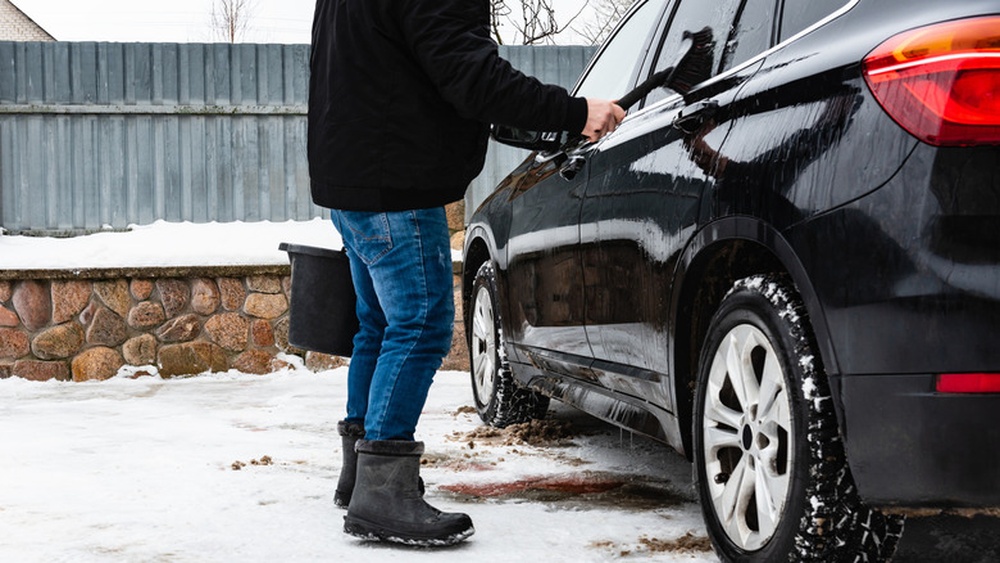
Cold weather is the primary enemy of battery performance because it slows down the chemical reactions required to produce a current. At 0 degrees Fahrenheit, a lead-acid battery may only provide half the cranking amps it does at 70 degrees, making it struggle to turn over a cold engine.
Heat is equally dangerous but works more slowly by evaporating the internal fluids and accelerating internal corrosion. In hot climates, the battery’s lifespan can be cut in half because the heat causes the plates to degrade faster.
Use a battery insulation wrap or a foam cover in winter to retain some of the heat generated during driving. In the summer, ensure your battery shield is intact and that the engine bay is free of debris to allow for maximum airflow.
Driving Longer Distances to Keep the Alternator Charging
Short trips (under 10 minutes) are often detrimental to battery health because the starter motor uses a massive burst of energy that the alternator cannot replace in a short window. If you only drive a mile to the store and back, your battery is in a constant state of net loss.
To keep the battery topped off, take a 20 to 30 minute drive on a highway at least once a week. Higher engine RPMs allow the alternator to operate at peak efficiency, pushing a steady current into the battery and ensuring the cells are fully saturated.
If you cannot drive the car, you can occasionally start the engine and let it idle for 15 minutes, though this is less effective than driving. Driving provides the necessary load and RPMs to ensure the charging system is functioning as intended.
Testing Battery Health and Voltage
A digital multimeter is the only way to know the exact state of your battery without guessing. Testing the voltage allows you to determine if a starting problem is caused by the battery itself or a failure in the alternator.
Follow this testing sequence to diagnose your battery:
| Voltage Reading | Battery State | Action Required |
|---|---|---|
| 12.6V – 12.8V | Fully Charged | No action needed. |
| 12.4V | Partially Charged | Drive for 30 minutes. |
| 12.2V | Low Charge | Charge with a maintainer. |
| 11.9V or lower | Discharged/Failing | Test for cell failure or replace. |
To test the alternator, start the engine and measure the voltage at the battery terminals. A healthy alternator should push the voltage up to between 13.7V and 14.7V. If the voltage stays at 12V or drops while the engine is running, your alternator is failing and will eventually kill your battery regardless of how well you maintain it.
FAQ
How often should I replace my car battery?
Most car batteries last between 3 and 5 years. You should have your battery professionally load-tested every year during a routine oil change to see if the Cold Cranking Amps (CCA) have dropped below the manufacturer’s specifications.
Can I use a charger on a dead battery?
Yes, but if the battery has dropped below 10.5 volts, some smart chargers may not “see” the battery and refuse to start. In these cases, you may need to jump-start the car first to raise the voltage enough for the charger to engage.
Does leaving the headlights on always kill the battery?
Not always, but it is the most common cause of a dead battery. Most modern vehicles have automatic shut-off timers that kill the lights after 10 to 20 minutes, but older cars or faulty timers will drain the battery completely.
Why does my battery die in the winter?
Cold temperatures increase the internal resistance of the battery and thicken the engine oil. This means the battery has less power available at the exact moment the engine requires more power to turn over.
Is distilled water the only thing I should add to a battery?
Yes. Never add tap water or distilled water to a maintenance-free (sealed) battery, as you cannot access the cells. For batteries with removable caps, use only distilled water to avoid introducing minerals that cause internal shorts.
Keep a portable jump-starter or a set of heavy-duty cables in your trunk as a final safety net. Your next step should be to check your battery’s age; if it is over four years old, get a free voltage test at a local auto parts store this week.