

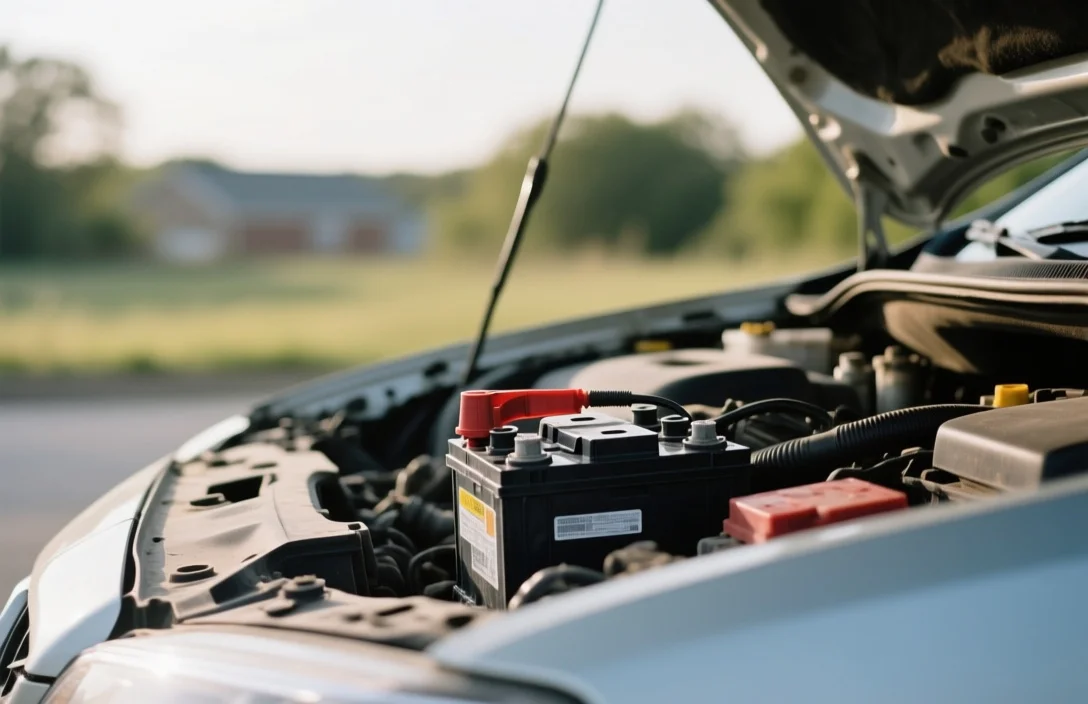
Most car batteries last between 3 and 5 years, but they rarely fail without warning. When your vehicle starts showing signs of electrical fatigue, it is often a direct result of internal degradation, extreme temperature shifts, or corroded connections. Recognizing these symptoms early allows you to replace your battery before it leaves you stranded in a parking lot. This guide details exactly what to look for and how to interpret the signals your car is sending.
A failing car battery typically displays clear physical and operational warnings, including sluggish engine starts, dimming headlights, a dashboard battery light, or a clicking sound when you turn the key. If your vehicle requires frequent jump-starts, the battery has likely lost its ability to hold a charge and requires immediate professional testing or replacement.
Key Takeaways
- Standard lifespan expectations. Most automotive batteries need replacement every 3 to 5 years depending on usage and climate conditions.
- Voltage health thresholds. A healthy battery should read 12.6 volts or higher when off; anything below 12.0 volts indicates a discharged state.
- Slow cranking signals. A sluggish or rhythmic engine struggle during ignition is the most common early indicator of a dying battery.
- Electrical component fatigue. Dimming lights or malfunctioning power windows often point to a battery that can no longer maintain consistent voltage.
- Physical inspection clues. Swollen cases or blue-green terminal corrosion are visual confirmation that your battery is leaking or chemically compromised.
- Alternator versus battery. If your car dies immediately after a jump-start, the issue is likely a failing alternator rather than the battery.
Symptoms of a Bad Car Battery Key Warning Signs
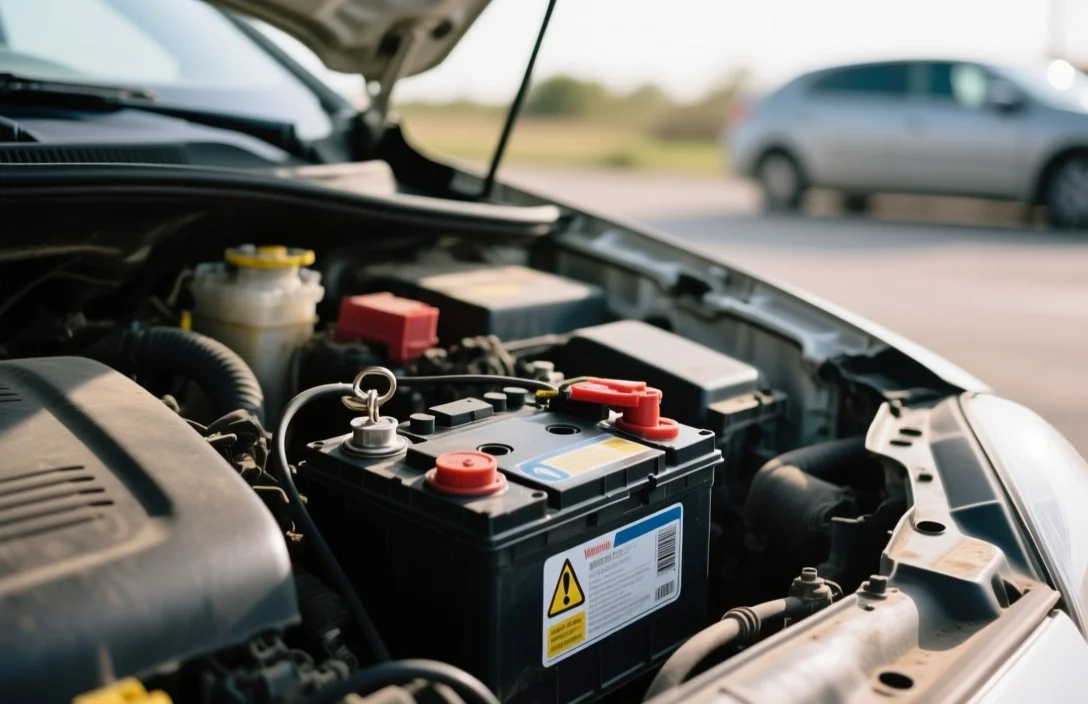
Identifying a failing battery early is the difference between a simple maintenance task and an emergency tow. When a battery begins to lose its capacity, it struggles to provide the high-amperage burst needed to engage the starter motor. This manifests as a series of subtle changes in your car’s behavior that worsen over time. Ignoring these signals usually leads to a complete failure to start, often at the most inconvenient moment.
You can often distinguish between battery issues and other mechanical failures by observing when the symptoms occur. For instance, if your car starts fine after sitting overnight but struggles after a short drive, the battery might be failing to hold a charge. Keeping a close eye on your dashboard lights and the responsiveness of your ignition system acts as an early warning system. If you notice any of these signs, use a multimeter to check your resting voltage before assuming the battery is the only culprit.
| Symptom | Points to Battery | Points to Alternator |
|---|---|---|
| Jump-start works, car runs fine | Yes | No |
| Jump-start works, car dies within minutes | No | Yes |
| Battery warning light on | Possible | More likely |
| Dim lights only when idling | Possible | Likely |
| Voltage under 12.6V when off | Yes | Could be either |
| Voltage under 13.5V when running | Possible | Yes |
Dim Headlights and Flickering Lights
Headlights and interior lights are direct indicators of the electrical system’s overall health. Because these components draw power directly from the battery when the engine is off or idling, they are the first to suffer when the battery voltage drops. If you notice that your headlights are significantly dimmer than usual, or if they flicker when you turn on other accessories like the heater or radio, the battery is likely struggling to maintain a consistent output.
In practice, this often appears as a gradual decline in brightness over several weeks. You might notice that your cabin lights dim slightly when you roll up your power windows or engage the turn signals. If these accessories operate at full power once you are driving at highway speeds, the battery is likely the bottleneck. The alternator is providing enough power to run the car, but the battery is failing to buffer the electrical load as it should.
Engine Crank Slows or Stalls
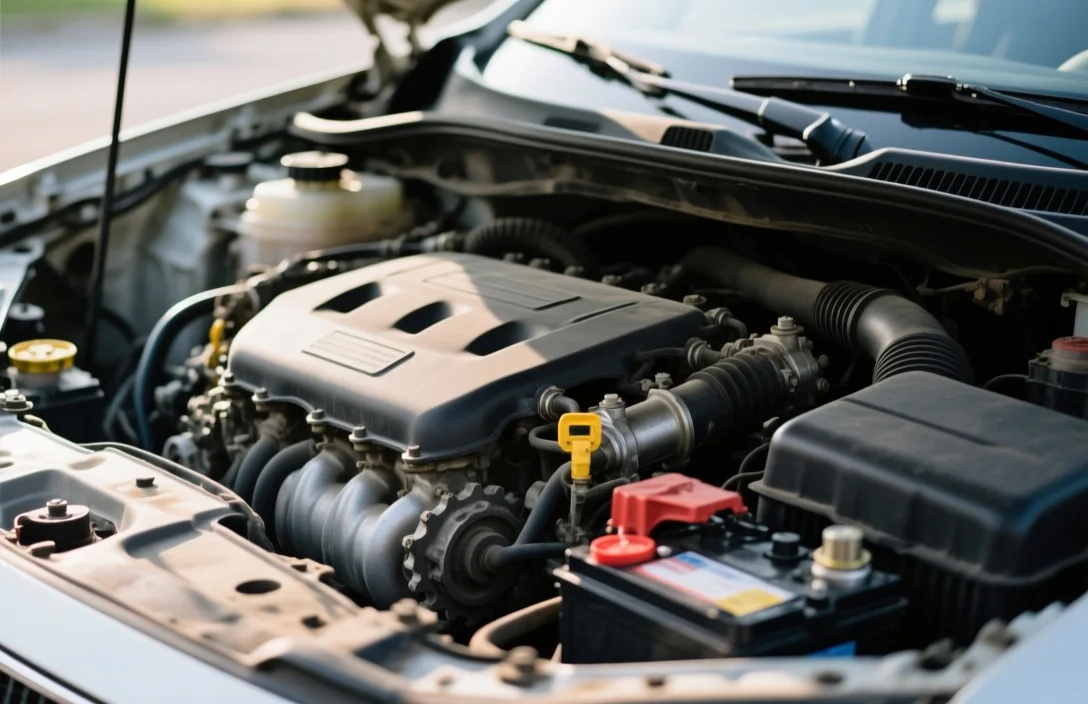
A sluggish engine crank is the most reliable symptom of a battery that is nearing the end of its life. When you turn the key or press the start button, the battery must deliver a massive surge of power to the starter motor to turn the engine over. If the battery is weak, the starter motor will turn more slowly, creating a distinct “rurrr, rurrr, rurrr” sound that is much slower and more labored than the usual quick startup.
This condition is particularly noticeable during cold mornings. Cold temperatures naturally slow down the chemical reactions inside the battery, reducing its total power output. If your engine takes several seconds to fire up, or if it sounds like it is struggling to find the energy to turn the engine over, do not wait for a complete failure. A battery that barely manages to start the engine today will likely be completely dead after the next temperature drop.
Clicking Noise When Turning the Key
Hearing a rapid, rhythmic clicking noise when you attempt to start the car is a definitive sign that the battery does not have enough power to engage the starter solenoid. This sound occurs because the battery has just enough voltage to trigger the starter relay, but not enough to hold the starter motor gears in place to spin the engine. The relay engages, loses power, and then tries to engage again, resulting in the characteristic clicking sound.
While this noise is frustrating, it is a clear indicator that the battery is effectively dead. In some cases, this can also be caused by loose or corroded battery cable connections that prevent the current from reaching the starter. Before you purchase a new battery, pop the hood and ensure that the terminals are tight and free of debris. If the connections are clean and tight, the battery has likely reached its internal limit and must be replaced.
Battery Warning Light on Dashboard
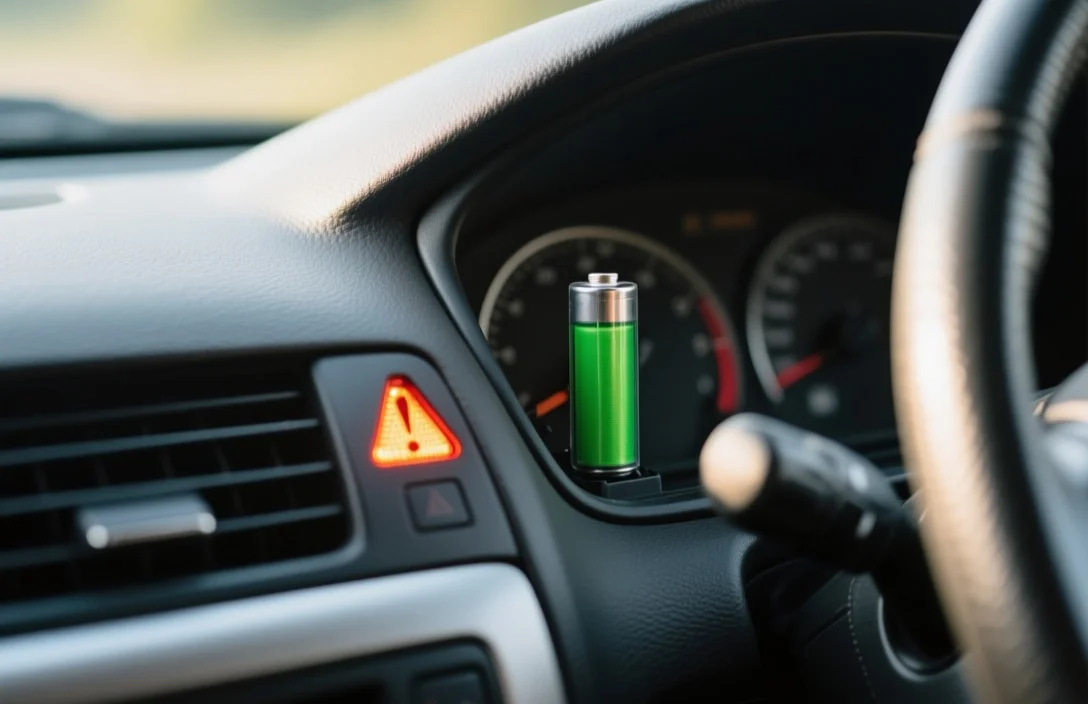
The battery icon on your dashboard is a dedicated monitor for your vehicle’s charging system. When this light illuminates, it indicates that the car’s computer has detected a discrepancy between the expected voltage and the actual voltage being produced. While many drivers assume this light only points to a dead battery, it can just as easily signal a problem with the alternator or the wiring connecting the two.
If the light stays on while you are driving, it means the charging system is not replenishing the battery as it should. You should minimize your use of high-draw electrical accessories like the air conditioning, seat heaters, and high-beam headlights to conserve whatever power remains. Get the vehicle to a service center immediately, as you are currently running on your battery’s remaining reserve capacity and will eventually lose all electrical power to the engine.
Corroded Terminals Swollen Case and Egg Smell
Visual inspections often reveal the most severe cases of battery failure. Corrosion appears as a blue-green or white powdery substance around the battery terminals and cable clamps. This accumulation creates resistance, preventing the battery from effectively sending power to the car or receiving a charge from the alternator. You can often clean minor corrosion with a mixture of baking soda and water, but if the corrosion keeps returning, the battery is likely leaking and needs replacement.
A swollen battery case is a serious safety issue. This usually happens when the battery has been exposed to extreme heat or has been overcharged, causing the internal gases to expand and warp the plastic housing. If you notice a swollen case, or if you smell a distinct rotten egg odor while driving, replace the battery immediately. That smell is sulfur gas escaping from the battery, which indicates the unit is chemically compromised and potentially dangerous to continue using.
FAQ
How do I know if it is my battery or my alternator?
If your car starts with a jump-start and continues to run, the battery is the likely culprit. However, if the car dies immediately after you remove the jumper cables, your alternator is likely failing to generate electricity. You can verify this by using a multimeter; a healthy alternator should show between 13.5 and 14.5 volts while the engine is running.
Can I drive with a weak car battery?
Driving with a weak battery is possible, but it is not recommended because you risk being stranded once you turn the engine off. Furthermore, a failing battery forces your alternator to work significantly harder than intended, which can lead to premature alternator failure. If your battery is showing clear signs of weakness, you should treat it as a priority maintenance item.
How much does a new car battery cost?
Depending on your vehicle type and the battery’s cold cranking amperage (CCA) rating, you can expect to pay anywhere from $100 to over $2,000 for a replacement. Most standard passenger vehicle batteries fall in the $150 to $300 range, including installation. High-performance or specialty AGM batteries for luxury vehicles or start-stop systems sit at the higher end of the spectrum.
What causes a car battery to die prematurely?
The most common causes are extreme temperatures, which evaporate internal fluids or slow down chemical reactions, and natural aging. Leaving your lights on, failing to drive the car frequently enough to keep the battery charged, and loose or corroded terminal connections also significantly shorten the life of your battery. Most batteries are designed to last 3 to 5 years under normal conditions.
Is it easy to replace a car battery myself?
Yes, replacing a battery is a straightforward task that requires only a wrench or a socket set. Always disconnect the negative (black) cable first, followed by the positive (red) cable to avoid shorting the battery against the car frame. When installing the new battery, connect the positive cable first, then the negative cable. Ensure the terminals are tight and free of corrosion before starting the engine.
If you suspect your battery is failing, perform a simple voltage check with a multimeter or visit a local auto parts store for a free load test. Replacing a tired battery early prevents the stress of a non-starting engine and saves your alternator from unnecessary wear.