

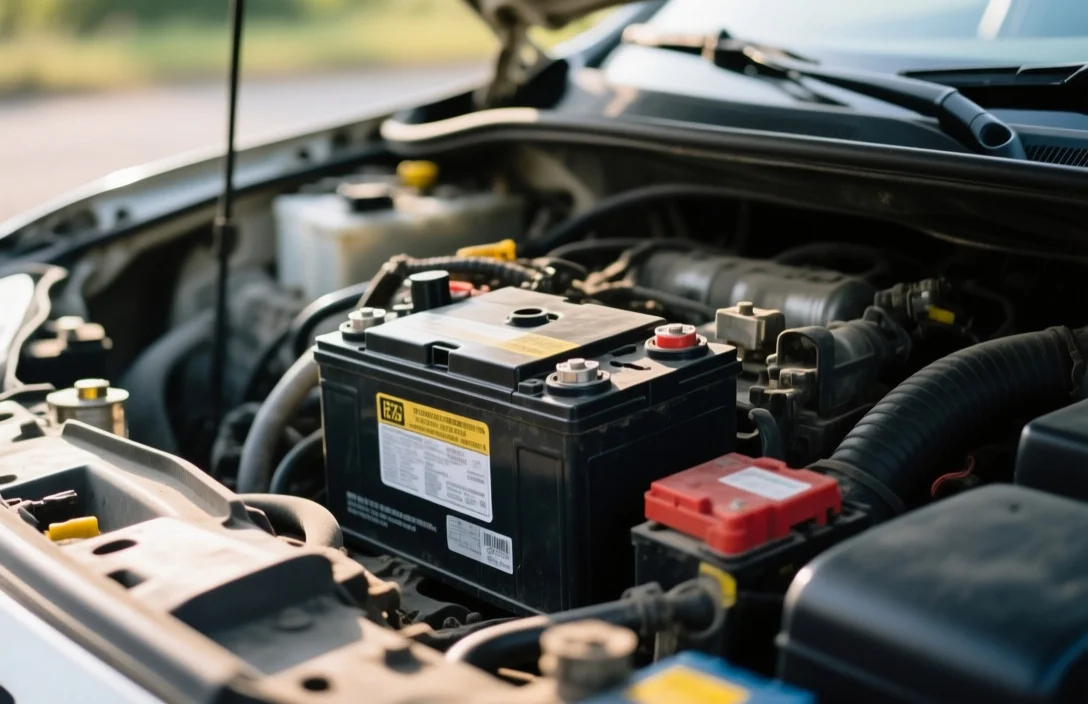
A car that hesitates to start, flickers lights, or smells of rotten eggs usually points to a battery that’s losing its punch. In this guide we break down every symptom you might notice while driving or waiting at a stoplight, and we show you how to confirm the problem with a simple multimeter test. By the end you’ll know exactly which warning signs demand immediate action and how to measure voltage before the next breakdown.
Weak car battery symptoms are easy to spot – a slow crank, dim lights, warning lights, corroded terminals, swollen case, and a sulfuric‑acid odor all signal that the battery is nearing failure. A healthy 12‑volt lead‑acid battery should read between 12.6 V and 12.8 V when the engine is off; any reading below 12.2 V usually means the charge is insufficient for reliable starts.
Key Takeaways
- Check crank speed. A sluggish engine turn over usually means the battery can’t deliver enough current.
- Watch interior lighting. Lights that dim when the engine is started indicate voltage drop from a weak source.
- Observe dashboard alerts. Battery‑related warning symbols appear when the control module detects low voltage.
- Inspect terminals. Corrosion or loose connections prevent proper current flow and accelerate discharge.
- Look for physical damage. Swollen cases or acid leaks are clear signs of internal failure.
- Measure voltage. A multimeter reading under 12.2 V confirms the battery needs recharge or replacement.
Signs of a Weak Car Battery That Indicate Impending Failure
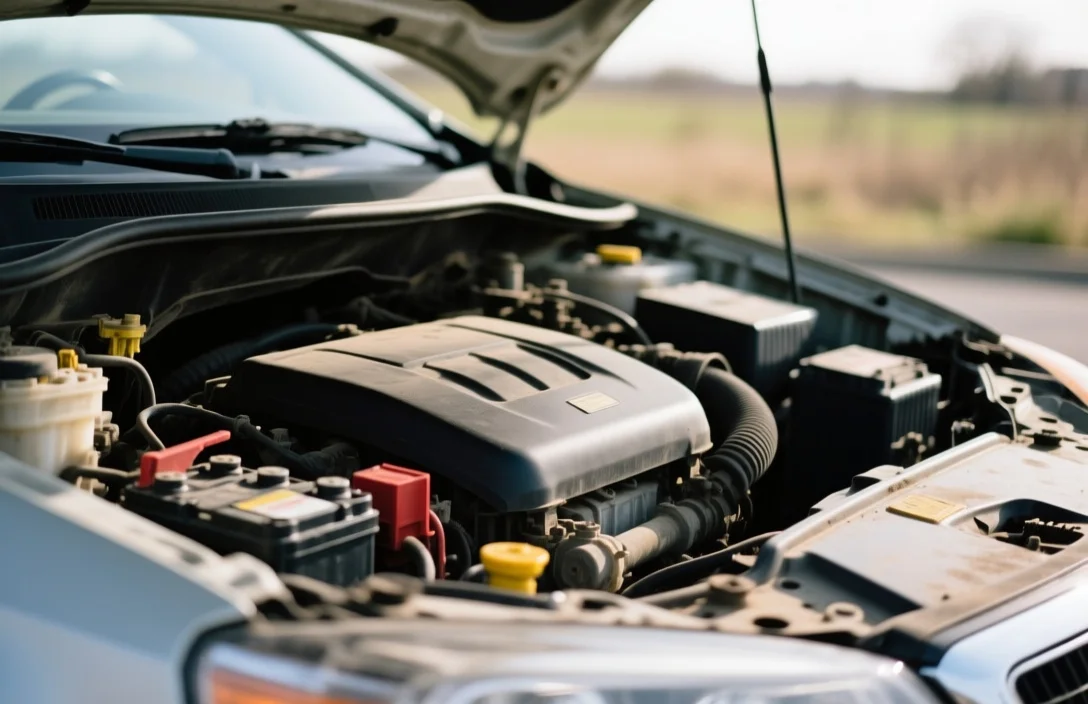
A weak car battery often shows a combination of electrical and physical clues before it finally dies. The earliest indicator is a change in how the engine turns over; a healthy battery pushes the starter motor with a firm, rapid spin, while a tired one produces a sluggish, labored crank. At the same time, you may notice that the vehicle’s electrical accessories – headlights, interior dome lights, and infotainment screens – lose brightness as soon as the ignition is turned on. These symptoms share a common cause: the battery’s internal resistance has risen, limiting the amount of current it can supply.
Beyond the obvious performance drops, modern vehicles include onboard diagnostics that trigger warning lights on the dash when voltage falls below a preset threshold. When those lights illuminate, the vehicle’s computer has already logged a low‑voltage event, meaning the battery is already struggling under normal load. Physical signs such as corroded terminals, a bulging case, or a faint smell of rotten eggs are also strong indicators that the battery’s chemistry is deteriorating. Ignoring any of these clues can leave you stranded, especially in extreme temperatures where a weak battery loses even more capacity.
Slow Engine Crank and Clicking Noises
A slow engine crank paired with rapid clicking noises usually means the starter motor is receiving insufficient power. When the battery’s voltage drops below the starter’s required threshold (typically around 9.5 V), the solenoid engages but the motor cannot maintain torque, resulting in a rapid series of clicks as the starter repeatedly attempts to turn the engine. This audible pattern is distinct from a single click, which often points to a loose connection rather than a depleted battery.
If you hear this symptom, try turning on the headlights first; if they dim noticeably, the battery is likely the culprit. In cold weather, the chemical reactions inside a lead‑acid battery slow down, making the crank even slower and the clicking more pronounced. A quick test is to press the accelerator pedal slightly while turning the key; a modest increase in engine speed can sometimes compensate for low voltage, but it is only a temporary workaround. Persistent slow cranking should be followed by a voltage check with a multimeter to verify whether the battery can still hold a charge.
Dim Headlights and Fading Interior Lights
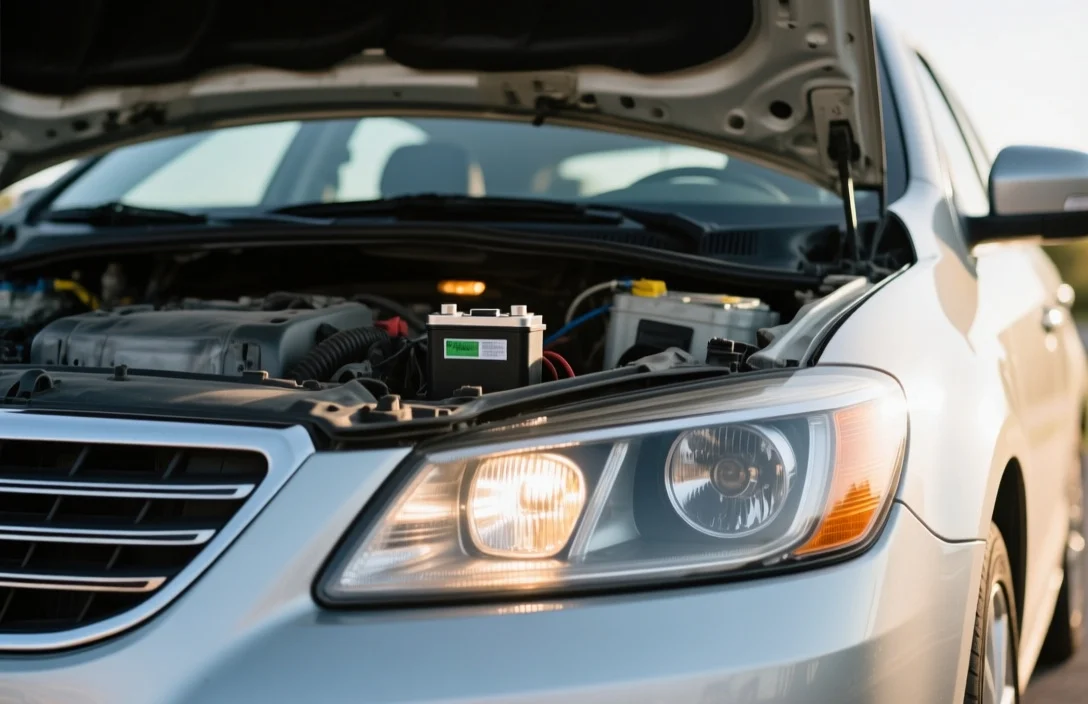
Dim headlights that brighten once the engine is running indicate that the battery cannot sustain the electrical load required for illumination. When the ignition is off, the battery alone powers the headlights; a healthy 12‑volt system supplies roughly 55 watts per headlight, producing a bright, steady beam. A weak battery’s voltage may sag to 11 V or lower under this load, causing a noticeable dimming that resolves as the alternator takes over after the engine starts.
Interior lights, such as the dome or dashboard backlighting, follow the same principle. If you notice that these lights flicker or fade when you open the door while the engine is off, the battery’s internal resistance is likely too high. This symptom is especially common after a battery has been sitting unused for several weeks, as self‑discharge gradually reduces available charge. Replacing the battery or fully recharging it will restore the proper voltage level and eliminate the dimming.
Battery Warning Lights and Dashboard Alerts
Battery warning lights appear when the vehicle’s control module detects a voltage drop below the manufacturer’s safe operating range, typically around 11.5 V. The warning may be a battery icon, a “Check Engine” light, or a specific “Battery/Charging System” indicator, depending on the make and model. Once illuminated, the warning often stays on until the engine is restarted, even if the battery recovers momentarily, because the system has logged an error event.
Modern cars also display a numeric voltage reading on the instrument cluster in some cases; a reading under 12.0 V while the engine is off signals that the battery is undercharged. If the warning light flashes repeatedly rather than staying solid, it can indicate an intermittent connection issue, such as a loose ground strap, which also contributes to a weak battery’s performance. Addressing the warning promptly – by checking connections, cleaning terminals, and measuring voltage – prevents a complete loss of power.
Corroded Terminals and Swollen Battery Cases
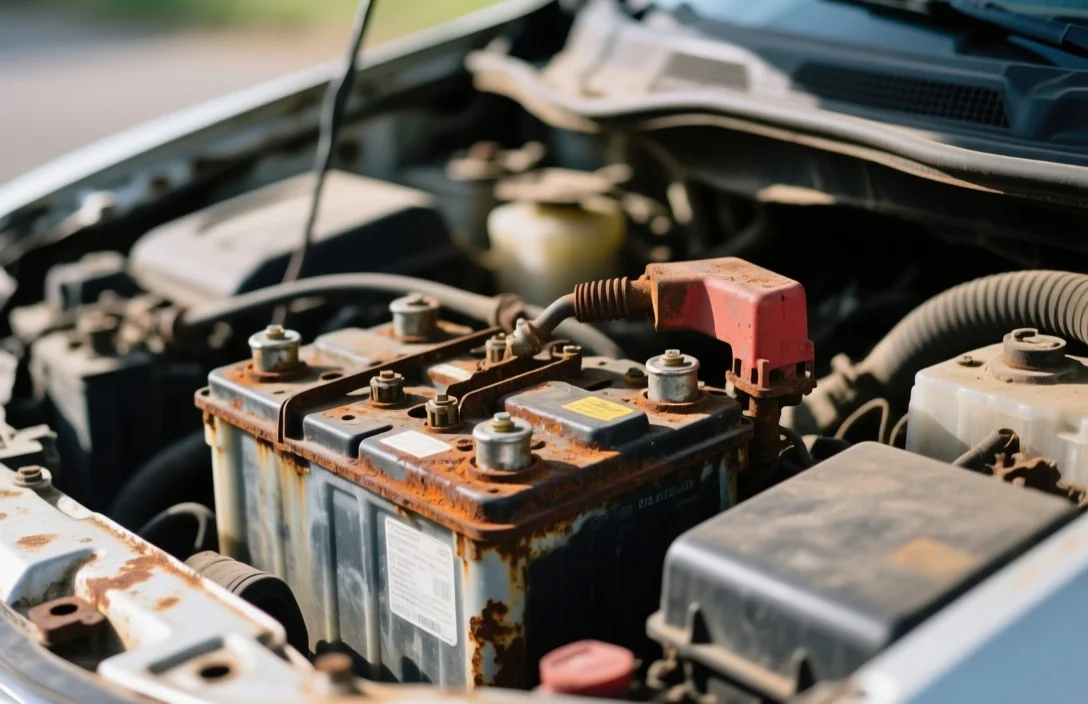
Corroded battery terminals appear as a white, powdery residue on the metal posts and clamps, often caused by acid vapor escaping the battery over time. This corrosion creates a high‑resistance barrier that restricts current flow, making the battery seem weaker than it actually is. Even a fully charged battery can fail to start a vehicle if the terminals are clogged with corrosion, because the starter motor cannot draw enough amperage.
A swollen battery case is a physical deformation caused by excessive internal gas pressure, usually from overcharging or a failing cell. The case may bulge at the top or sides, and in severe cases the vent caps can pop off, releasing hydrogen gas that smells faintly of rotten eggs. Swelling indicates that the battery’s internal chemistry is out of balance, and the unit should be replaced immediately to avoid leaks or explosions. Cleaning corrosion with a mixture of baking soda and water, then tightening the clamps, can restore proper contact, but a swollen case requires a new battery.
Rotten Egg Smell and Acid Leaks
A rotten egg odor around the battery area signals the presence of hydrogen sulfide gas, which forms when sulfuric acid reacts with metal components inside the battery. This smell is often accompanied by visible acid leaks – clear or slightly yellow fluid seeping from the case or vent caps. Acid leaks not only indicate that the battery’s internal plates are deteriorating, but also pose a corrosion risk to surrounding vehicle components, including wiring and metal brackets.
If you detect this odor, avoid inhaling the fumes and wear gloves when handling the battery. Neutralize any spilled acid with a baking soda solution before cleaning the area. A battery that emits hydrogen sulfide or leaks acid should be replaced promptly; attempting to recharge or reuse a compromised battery can lead to further damage or safety hazards. Proper disposal at a recycling center ensures that the hazardous material is handled responsibly.
Testing Battery Voltage With a Multimeter
Measuring battery voltage with a multimeter provides an objective assessment of its health and helps decide whether a recharge or replacement is needed. Set the multimeter to the DC voltage range (20 V is sufficient) and connect the red probe to the positive (+) terminal and the black probe to the negative (-) terminal. With the engine off, a fully charged battery should read between 12.6 V and 12.8 V; any reading below 12.4 V indicates a reduced charge, while a value under 12.2 V suggests the battery is significantly weakened.
Below is a quick reference table for interpreting multimeter readings:
| Measured Voltage | Battery Condition | Recommended Action |
|---|---|---|
| 12.6 V – 12.8 V | Fully charged | No action needed |
| 12.4 V – 12.5 V | Moderately charged | Recharge or test under load |
| 12.2 V – 12.3 V | Low charge | Charge immediately; retest |
| ≤ 12.1 V | Critically weak | Replace battery |
For a more accurate diagnosis, perform a load test by turning on the headlights and checking the voltage again; a healthy battery should stay above 12.0 V under load. If the voltage drops sharply, the internal resistance is too high, confirming the need for a new battery. Always wear safety glasses and gloves when handling the battery, and ensure the vehicle is in park with the parking brake engaged.
FAQ
How long does a typical car battery last?
A standard lead‑acid battery usually lasts between 3 and 5 years, but extreme temperatures, frequent short trips, and deep discharges can shorten its lifespan to as few as 2 years.
Can I jump‑start a car with a weak battery?
Jump‑starting can work if the battery still holds some charge, but if the voltage is below 12.0 V or the battery is swollen, the jump may fail or cause damage to the donor vehicle.
What causes battery terminals to corrode?
Corrosion forms when acid fumes from the battery escape and react with metal clamps, producing lead sulfate crystals that appear as a white, powdery buildup.
Is a battery warning light always a sign of a bad battery?
Not always; the light can also indicate a loose ground strap, alternator problems, or a temporary voltage dip. Checking the battery voltage and connections clarifies the issue.
Should I replace a battery that shows a rotten egg smell?
Yes. The odor indicates hydrogen sulfide gas or acid leakage, both of which mean the battery’s internal chemistry is compromised and it should be replaced promptly.