
Replace tires when tread is under 2/32 inch, cracks or bulges appear, or driving feels shaky.
If you want to know how to tell if tires need replacing with confidence, you’re in the right place. I’ve inspected thousands of tires in shops and on the road. In this guide, I’ll show you simple tests, warning signs, and pro tips. You’ll learn what to check, what numbers matter, and when to act for safe, smooth driving.

Why tire condition matters for safety and performance
Tires are your only contact with the road. Worn or aged tires reduce grip, lengthen stopping distances, and increase hydroplaning risk. Even a few thirty-seconds of tread can be the difference between a near miss and a crash.
In most U.S. states, 2/32 inch is the legal minimum. But safety starts to drop long before that. At 4/32 inch, wet braking worsens. At 6/32 inch, snow traction falls off fast. Knowing how to tell if tires need replacing helps you avoid these risks and save money by planning ahead.

The fastest checks: tread depth tests you can do at home
You do not need fancy tools to measure tread. Simple coins and built-in wear bars give a quick read. Here are the most trusted methods I’ve used in the bay and on curbside checks.
- Penny test for legal minimum. Insert a penny with Lincoln’s head upside down into a groove. If you see the top of his head, tread is at or below 2/32 inch. Replace now.
- Quarter test for wet safety. Use a quarter the same way. If you see the top of Washington’s head, tread is at or below 4/32 inch. Plan to replace soon for better rain grip.
- Tread wear bars. Look for small bridges of rubber across grooves. If the tread is flush with these bars, the tire is at its minimum. Replace.
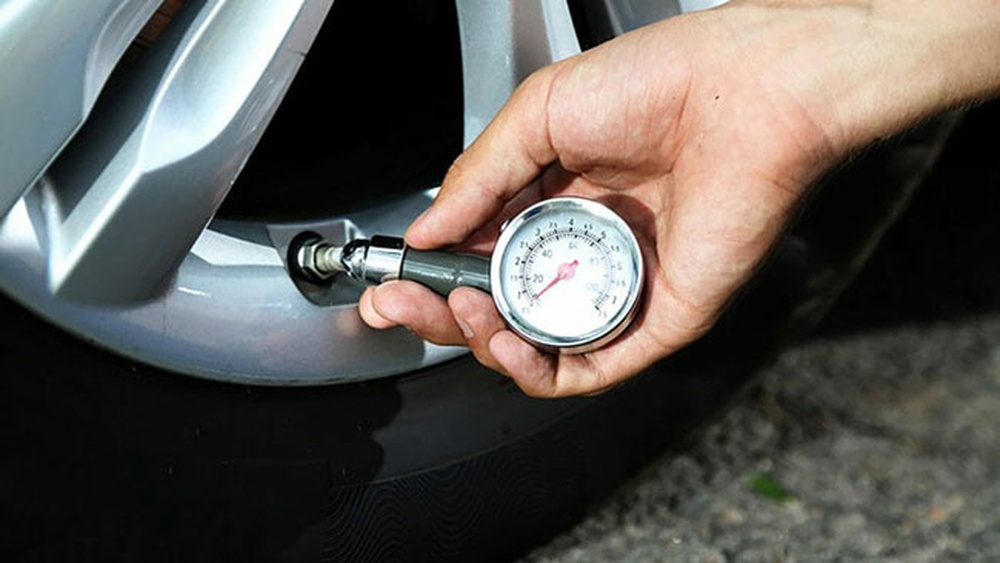
- Digital gauge. A cheap gauge reads to the 1/32 inch. Measure the inner, center, and outer grooves on each tire. Record the lowest number.
These steps are the fastest way to learn how to tell if tires need replacing without guesswork. Do them monthly, and always before long trips or heavy rain.
Wear patterns that scream replace, plus what they mean
Not all wear is equal. Uneven patterns point to deeper issues. Spotting these early can prevent a second set of tires from wearing out too soon.
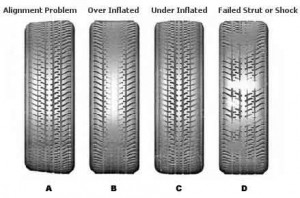
- Center wear. Overinflation. The middle is smooth while shoulders have tread left. Adjust pressure and replace if near limits.
- Edge wear on both sides. Underinflation. The shoulders are thin while the center looks fine. Fix pressure and consider replacement.
- One-shoulder wear. Misalignment or bent parts. Inside or outside edge goes bald first. Replace and get an alignment.
- Cupping or scalloping. Wavy dips around the tread. Often due to bad shocks or imbalanced wheels. Replace and service suspension.
- Feathering. Tread blocks feel sharp on one side and smooth on the other. Alignment problem. Replace and align.
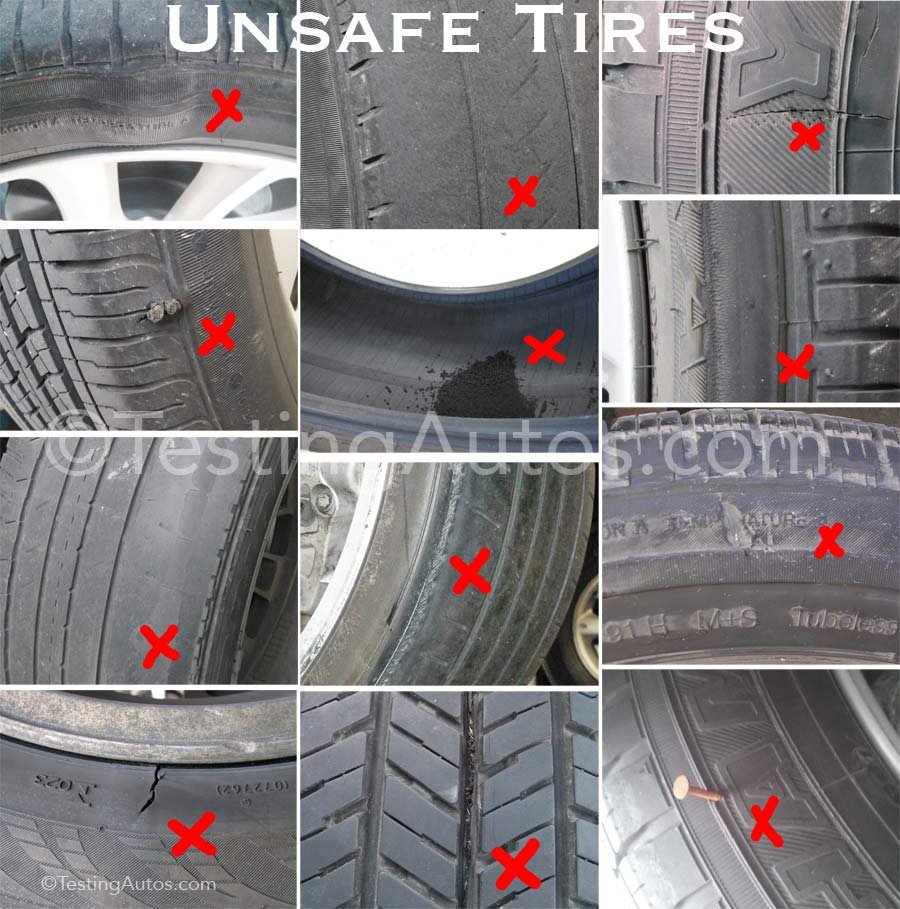
- Exposed cords or fabric. Immediate replacement. The structure is compromised.
- Bulges or bubbles in the sidewall. Internal damage from impact. Unsafe to drive. Replace now.
- Deep cuts, punctures over 1/4 inch, or damage in the sidewall or shoulder. Not repairable. Replace.
A clear way how to tell if tires need replacing is seeing any of these patterns along with low tread. They tell you what went wrong and what to fix next.

Age, cracks, and dry rot: when time alone means replace
Rubber hardens with time, heat, and sunlight. Even with good tread, old tires can lose grip and crack. Find the DOT date code on the sidewall. The last four digits show the week and year made, like 2419 for week 24 of 2019.
Most makers suggest close inspections at 6 years and replacement by 10 years at the latest. In hot or coastal areas, aim earlier, often 6 to 8 years. Look for fine sidewall cracks, chalky surfaces, or small splits at the tread base. These are classic aging signs. For drivers asking how to tell if tires need replacing based on age, cracking plus hard rubber feel is your cue.

Feel and sound: road clues that tires are done
Your car talks to you through the wheel, seat, and sound. Pay attention to new shakes, thumps, or extra noise as speed rises. These can point to separated belts, uneven wear, or flat spots.
If the car slides sooner in the rain, takes longer to stop, or triggers ABS more often, grip is fading. Hydroplaning at lower speeds is another red flag. This is how to tell if tires need replacing from the driver’s seat, not just the toolbox.

Pressure, TPMS, and slow leaks: what they tell you
Tires that will not hold pressure often have hidden damage. A TPMS light that keeps coming back means a leak, a bad valve stem, or corrosion at the bead. Slow leaks also come from nails, screws, or old plugs.
Driving underinflated overheats and damages the tire from inside. The shoulders wear faster, and the casing weakens. Fix leaks fast. Sometimes, a chronic leak is how to tell if tires need replacing before they fail on the highway.

Replace one, two, or four? Smart replacement strategy
Mixing old and new affects handling. On front- or rear-wheel drive cars, replace in pairs and mount the newer pair on the rear axle for stability. Move the older pair to the front. This helps prevent a spin in rain.
On many AWD vehicles, you may need four tires if the tread gap is big. Some systems require all tires within 2/32 inch to protect the differential. Always check the owner’s manual. If you must mix brands or models, match pairs on the same axle, size, speed rating, and load index.

Seasonal and climate cues for tire replacement
Not all climates treat tires the same. In heavy rain regions, aim to replace at 4/32 inch for safer wet braking. In snow and ice, winter tires should be replaced at 5/32 to 6/32 inch to keep bite.
High heat speeds up aging and can cause dry rot. EVs and trucks add weight and torque, which can wear tires faster. For drivers in tough climates, this is how to tell if tires need replacing earlier than the average schedule.

Quick DIY inspection checklist
Use this checklist once a month or before a trip. It takes 10 minutes and can save you from a roadside headache.
- Read tread depth at three spots across each tire. Note the lowest number.
- Check tread wear bars. If flush, replace.
- Inspect for cuts, bubbles, cracks, plugs, or exposed cords. Replace if found.
- Look for uneven wear patterns. Plan an alignment with replacement.
- Check DOT date. Over 6 years, inspect more often. Over 10 years, replace.
- Set cold pressure to the door-jamb label. Recheck in the morning.
- Test drive. Note vibration, noise, pulling, or wet grip changes.
This checklist is a simple way how to tell if tires need replacing without a mechanic. Keep notes in your phone so you can track changes over time.
When to see a pro and what they’ll check
Some problems hide inside the tire. A shop can remove the tire, check the casing, and look for heat damage or belt separation. They can also measure road-force variation to diagnose shakes you feel on the highway.
Pros will read exact tread depths, inspect inner shoulders you cannot see easily, verify alignment, and advise if a repair is safe. When you are unsure how to tell if tires need replacing, a trusted shop can confirm before you spend.
Frequently Asked Questions of how to tell if tires need replacing
How many miles do tires usually last?
Most all-season tires last 40,000 to 60,000 miles with good care. Driving style, alignment, rotation, and climate can cut that in half or stretch it longer.
Is 4/32 inch of tread still safe?
It is legal in many places, but wet braking is weaker at 4/32 inch. Plan to replace soon, especially if you drive in heavy rain.
Can I replace only two tires?
Yes, but put the new pair on the rear axle for stability. Match size, type, and speed rating, and check your owner’s manual for AWD rules.
How old is too old, even if the tread looks good?
After 6 years, check tires yearly. At 10 years from the DOT date, replace them, even with decent tread.
How do I tell if tires need replacing without a gauge?
Use the penny and quarter tests and check the wear bars. Also look for cracks, bulges, or uneven wear and note any shake or hydroplaning.
Do small sidewall cracks mean I need new tires?
Fine hairline cracks suggest aging rubber and may get worse. If cracks deepen or spread, replace the tire.
Why does my TPMS light keep coming on?
You likely have a slow leak, bad valve stem, or seasonal pressure change. If it returns after a fill, have the tire inspected for punctures or bead leaks.
Conclusion
Tires tell a story if you know where to look. Measure tread, scan for damage, watch the date code, and listen to how the car feels. When in doubt, err on the side of safety. Now that you know how to tell if tires need replacing, do a quick check today and set a reminder for next month. If this helped, share it with a friend, subscribe for more car care guides, or drop your questions in the comments.