

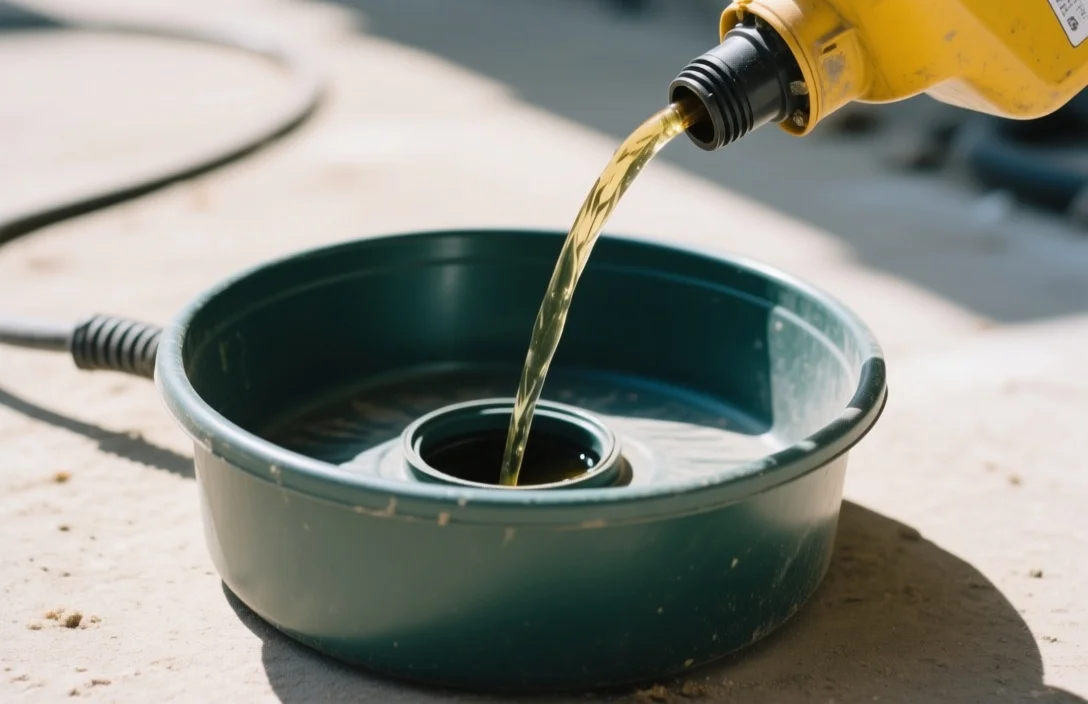
Changing motor oil is messy, but an electric oil drain pan can turn a sticky chore into a quick, clean task. This guide shows exactly how to use an electric oil drain pan, from safety prep to final storage, so you can finish an oil change without splatter or guesswork. Follow the steps, avoid common pitfalls, and keep your garage tidy.
Electric oil drain pans remove up to 6 L of used oil in under three minutes when the pump runs at full speed.
Key Takeaways
- Safety first. Wear gloves and eye protection to prevent burns from hot oil.
- Power check. Verify the pan’s battery is fully charged before starting.
- Position correctly. Center the pan’s inlet under the drain plug for optimal flow.
- Pump activation. Press the power button, then engage the pump for a steady stream.
- Dispose responsibly. Transfer oil to a certified container and recycle at a local facility.
How to Use an Electric Oil Drain Pan Efficiently
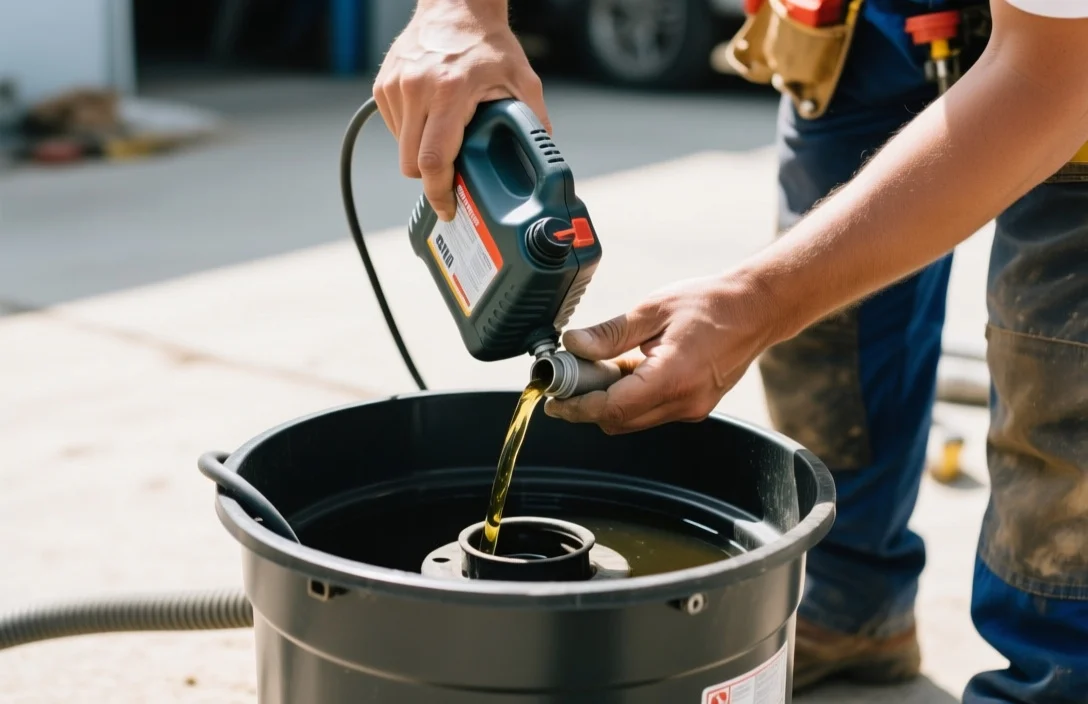
An electric oil drain pan combines a reservoir, a pump, and a power source into one portable unit. When the pump runs, it creates suction that pulls oil from the engine through the inlet hose and deposits it in the built‑in container. This eliminates the need for a manual siphon or a heavy, static pan.
Begin by confirming the pan’s battery level. Most models display a green LED when fully charged; a blinking red light indicates low power and a recharge is required. Plug the charger into a standard 120 V outlet and allow at least one hour for a full charge. Once the battery is ready, place the pan on a stable surface near the vehicle.
Next, attach the inlet hose to the pan’s suction port. Ensure the hose clamp is tight to prevent air leaks, which would reduce pump efficiency. With the hose secured, you can move the pan under the vehicle without worrying about spillage.
Finally, engage the pump by pressing the power button. The pump motor will start, and you should hear a low‑whirring sound. If the oil does not flow, double‑check that the hose is not kinked and that the inlet is fully submerged in the oil.
Safety Gear and Tools Required for Oil Changes
Protecting yourself from hot oil and chemicals is non‑negotiable. Wear nitrile or latex gloves rated for temperatures up to 250 °F (121 °C). Safety glasses or goggles shield your eyes from splatter, especially when the engine is still warm. A fire‑resistant coverall is optional but useful for larger jobs.
In addition to personal protective equipment, gather the following tools: a socket wrench set for the drain plug, a wrench or breaker bar if the plug is tight, the electric oil drain pan itself, and a container certified for hazardous liquid transport. Having a funnel ready speeds up the transfer of used oil into the disposal container.
Before you begin, place a non‑slip mat under the pan to keep it from sliding on a wet garage floor. Keep a fire extinguisher rated for Class B flammable liquids nearby, just in case.
Positioning the Drain Pan Under Your Vehicle
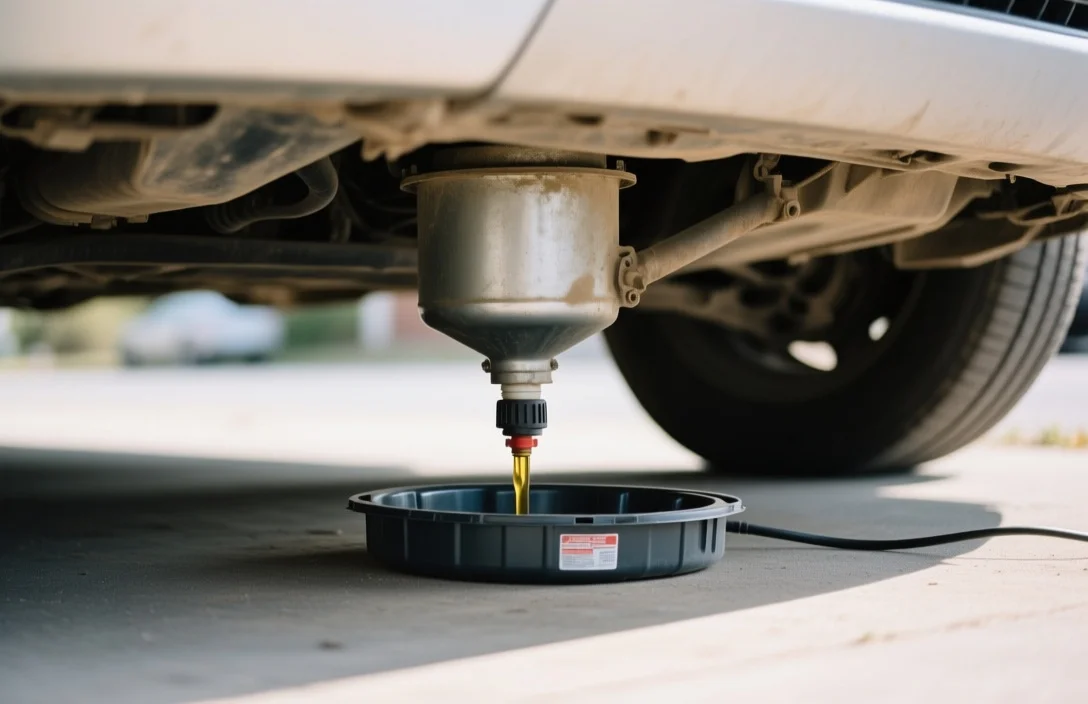
The inlet hose must sit directly over the drain plug to maximize suction and reduce the risk of air pockets. Lift the vehicle using a floor jack and secure it with jack stands, following the manufacturer’s recommended lift points.
Slide the pan’s inlet hose onto the drain plug, then lower the vehicle until the oil begins to flow. If the hose hangs too low, adjust the pan’s height or use a short extension tube to reach the plug. The pan’s built‑in level indicator shows when the container is half full, helping you avoid overfilling.
For low‑clearance vehicles, position the pan on a raised platform such as a sturdy wooden board. Ensure the platform can support the weight of the pan plus the oil, which can exceed 12 kg (26 lb) when full.
Activating the Pump to Drain Motor Oil
Once the hose is in place, turn the pump on by pressing the power switch. Most models have a single‑button control; a LED will turn green to confirm operation. The pump draws oil at a rate of 1‑2 L per minute, depending on motor voltage and oil viscosity.
Monitor the flow for steady streams; a sputtering pattern indicates air entering the system. If this occurs, briefly lift the inlet hose to allow air to escape, then reseat it securely.
The pump will automatically shut off when the container reaches its maximum capacity, typically indicated by a red LED. If your model lacks an auto‑shutoff, watch the level gauge and stop the pump manually before overflow.
Transferring Used Oil to a Disposal Container
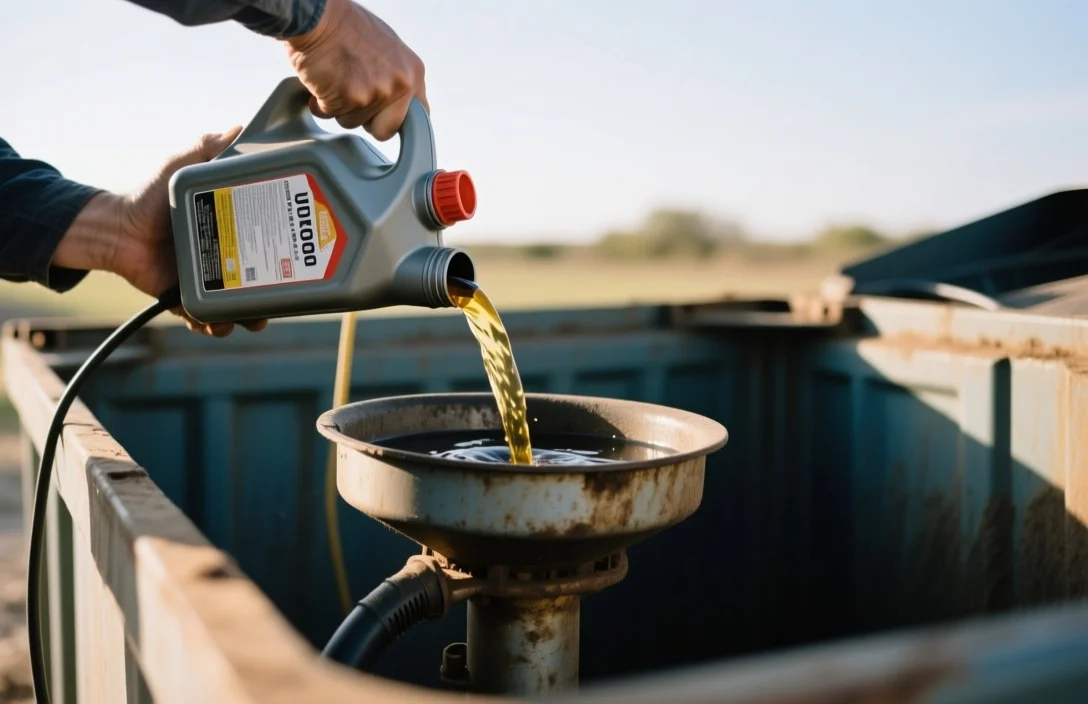
When the pan is full, disconnect the inlet hose and set the pan on a stable surface. Open the pan’s lid and pour the used oil into a certified disposal container using a funnel to minimize splatter.
Seal the container tightly with a screw‑on cap to prevent leaks during transport. Label the container with “Used Motor Oil – Do Not Dispose in Trash.” Most municipalities accept used oil at recycling centers, auto parts stores, or hazardous‑waste drop‑off sites.
If you have more than one pan of oil, repeat the transfer process until all oil is safely contained. Keep the disposal containers upright during transport to avoid spills.
Cleaning and Storing Your Electric Drain Pan
After each use, rinse the pan’s interior with a mild detergent and warm water. Use a soft brush to remove any residual oil from the walls and pump inlet. Rinse thoroughly to eliminate soap residue, which could affect the next oil change.
Dry the pan with a lint‑free cloth, then wipe the exterior with a dry rag. Store the pan in a cool, dry location away from direct sunlight, which can degrade plastic components over time.
Before storing, check the battery charge level. If the battery is below 30 %, connect the charger for a short top‑up to maintain battery health. Some models have a “maintenance mode” that keeps the battery at a low‑drain state while not in use.
Typical Electric Oil Drain Pan Specs
| Feature | Typical Value | Notes |
|---|---|---|
| Capacity | 5‑6 L (common) | Verify your model’s exact capacity |
| Voltage | 12 V DC | Most units use a standard car battery |
| Pump Flow Rate | 1‑2 L/min | Depends on oil temperature |
| Weight (empty) | 3‑4 kg | Portable for most garages |
| Price Range | $50‑$150 | Check local retailers for current pricing |
FAQ
How long does it take to drain a full engine with an electric oil drain pan?
A fully charged pan can remove up to 6 L of oil in about three minutes, assuming the pump operates at its maximum flow rate of 2 L per minute.
What safety gear is essential when using an electric oil drain pan?
Wear heat‑resistant gloves, safety glasses, and a fire‑resistant coverall if the engine is hot; keep a Class B fire extinguisher nearby.
Can I use the electric drain pan on diesel engines?
Yes, the pump works with diesel oil, but diesel’s higher viscosity may reduce flow rate to around 1 L per minute; pre‑warm the oil for best results.
What should I do if the pump stops mid‑drain?
Check the battery indicator; a low‑charge light means the battery needs recharging. Also inspect the inlet hose for kinks or air bubbles that could stall the pump.
Where can I legally dispose of used motor oil?
Most auto parts stores, recycling centers, and municipal hazardous‑waste facilities accept used oil; verify local regulations before transport.